Where to buy
Check the latest price, availability and delivery on Amazon. Orders are placed on Amazon. We may earn a commission from qualifying purchases. Two of the six picks below are complete propane fire pits that sit above this guide’s $50 ceiling, so they are covered in prose as benchmarks and carry no purchase link; the four linked picks are accessories and consumables that genuinely fit the budget and do the everyday work of backyard propane ownership.
- Best propane fire pit benchmark (prose-only, over the $50 ceiling): Outland Living Firebowl 893 Deluxe 19-Inch Portable Propane Fire Pit
- Closest tabletop benchmark (prose-only, over the $50 ceiling): Flame King Mini Tabletop Fire Pit, Dual Fuel Propane and Butane
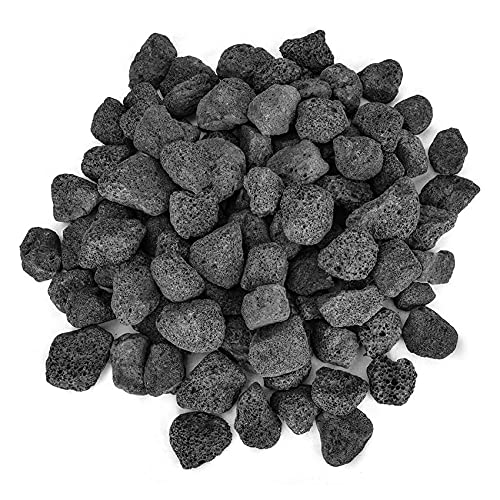
- Accessory — not a fire pit: Stanbroil 10 Pounds Black Lava Rock Granules — Check on Amazon
- Accessory — not a fire pit: GASPRO 10 lbs Fire Glass for Propane Fire Pit, 1/2-Inch Reflective, Cobalt Blue — Check on Amazon
- Accessory — not a fire pit: DOZYANT Propane Tank Gauge Level Indicator, Type 1 Connection — Check on Amazon
- Accessory — not a fire pit: Aupoko 2 Sets Piezo Spark Ignition Kit with Cable — Check on Amazon
Read the full guide ↓
Disclosure: As an Amazon Associate, dailyhomedecorating.com earns from qualifying purchases. Links to Amazon on this page are affiliate links; they cost you nothing extra. Listing details such as price and availability change often, so check the current Amazon listing before you buy.
The backyard is where the search for the best propane fire pit for backyards under $50 should succeed if it can succeed anywhere — no lease, no balcony code, room to place a bowl properly — and it is worth saying plainly at the start that the budget still does not buy the appliance. Every complete, certified propane fire pit from an established brand that we verified for this series sells above the ceiling: the portable bowls that define the category, the ones a backyard actually wants, cluster around double the figure, and the smallest tabletop propane burner lands above it too. What the backyard changes is not the price floor but the value of everything around it. A backyard is where a propane bowl gets used weekly rather than monthly, where it anchors a seating circle, travels to the fire-ban campsite, and lives long enough to need media, gauges, ignition parts and bags — the under-$50 supporting cast this guide links, each one labeled an accessory, because none of them is a fire pit.
So this page does the two honest jobs. It benchmarks, in prose and without purchase links, the two real propane pits nearest the budget — the Outland Living Firebowl 893 Deluxe, the 19-inch, 58,000 BTU bowl that has become the backyard class standard, and the Flame King Mini Tabletop, the smallest legitimate propane burner — so you can judge what stretching buys in a yard context: heat radius for a circle of chairs, a ten-foot hose that hides the tank behind a planter, a carry kit that turns the same bowl into the camping pit. And it reviews the four accessories that backyard owners actually buy in seasons two and three, when the pit is no longer new: fresh lava rock for a burner bed gone grey, fire glass for the yard that wants a centerpiece, a tank gauge for the host who cannot afford a mid-party flame-out, and an igniter kit for the button that quit.
If the $50 is your entire fire budget and the yard has nothing yet, our advice is to hold it and step up a tier — Best Propane Fire Pit For Backyards Under $75 and Best Propane Fire Pit For Backyards Under $150 cover the ground where certified backyard models begin — or to consider whether a wood bowl serves the yard better at this price, which is the subject of Best Fire Pit For Backyards Under $50. If you already own the pit, or the stretch is planned, read on: judged for backyard duty specifically, this is where each dollar in the budget does the most work.
The honest truth about finding the best propane fire pit for backyards under $50
A backyard exposes cheap gas appliances faster than any other setting, because a yard asks for the two things cheap construction cannot fake: heat thrown across a real seating circle, and survival through real weather. A complete propane pit is a burner, a regulator, a valved hose assembly and a steel body that must be certified as a system; the bill for those parts, honestly made, is why the floor for a named brand’s portable bowl sits around twice this budget and why the tabletop mini-burners still clear the ceiling. Below that floor the listings turn into the three familiar impostors — wood bowls wearing propane keywords, bare burner kits photographed like finished appliances, and pour-fuel tabletop burners from the liquid-fuel class that federal regulators have recalled and warned against, which this guide excludes entirely. In a backyard, where a pit might burn three nights a week from April to October, each impostor fails in its own instructive way: the wood bowl is a different hobby, the kit is a liability with a hose, and the liquid burner is a safety recall waiting for a date.
The backyard framing also clarifies what the under-$50 money is for. A yard pit’s life is measured in seasons, and its consumables cycle predictably: the lava rock bed dulls and crumbles at the edges, the push-button igniter — on models that have one — fouls or dies, the tank empties at the worst moment of the best evening, and the cover that came in the box eventually tears. Every one of those renewals costs less than this guide’s ceiling, and together they are the difference between a pit that anchors the yard for five years and one that is curbside by the second autumn. That is the honest content of an under-$50 backyard guide: not a pretend appliance, but the maintenance and upgrade layer that backyard ownership actually spends money on, plus a clear-eyed benchmark of the appliance to save toward.
In this guide
Quick Picks
Six picks, two kinds: the two closest real propane fire pits (prose-only benchmarks, both over the ceiling) and four accessories that truly fit under $50 and earn their keep in a backyard.
| Buyer type | Pick | Why it stands out | Link |
|---|---|---|---|
| Best propane fire pit benchmark (over budget) | Outland Living Firebowl 893 Deluxe 19-Inch Portable Propane Fire Pit | 58,000 BTU for a real seating circle, 10 ft hose, cover and carry kit — the backyard class standard | Prose-only — over the $50 ceiling |
| Closest tabletop benchmark (over budget) | Flame King Mini Tabletop Fire Pit, Dual Fuel Propane and Butane | The garden-table burner: smallest verified propane flame, canister fuel, for the yard’s dining corner | Prose-only — over the $50 ceiling |
| Accessory — best fire media refresh | Stanbroil 10 Pounds Black Lava Rock Granules | Natural volcanic rock in burner-friendly sizes; a full bed refresh for the bowls backyards run most | Check on Amazon |
| Accessory — best visual upgrade | GASPRO 10 lbs Fire Glass, 1/2-Inch Reflective, Cobalt Blue | Tempered reflective glass that makes the pit the yard’s evening centerpiece — where the manual allows | Check on Amazon |
| Accessory — best fuel planning | DOZYANT Propane Tank Gauge Level Indicator | Color-coded gauge on a Type 1 connection — the host’s insurance against a mid-party flame-out | Check on Amazon |
| Accessory — best repair buy | Aupoko 2 Sets Piezo Spark Ignition Kit | Two push-button piezo igniter sets with heat-resistant cable — the fix for the season-three dead button | Check on Amazon |
How These Picks Were Chosen
Verification followed the standard for this series: manufacturer specifications and live listings checked for every product, complete fire pits cross-checked against the Amazon Creators API catalog for this site with titles matched to models, and a CPSC recall screen that any flagged model would have failed outright. Liquid-fuel tabletop burners were excluded as a class on federal safety grounds. The backyard lens then re-ranked everything by three yard-specific tests. First, duty cycle: a backyard pit burns weekly for months, so picks were judged on how they serve a pit in its second and third seasons, not its first weekend. Second, placement flexibility: the benchmark had to work on the surfaces backyards actually have — pavers, stone, a dedicated gravel pad — and pack away for the campsite. Third, host-proofing: a backyard pit performs in front of an audience, so fuel planning and reliable ignition were treated as core features rather than afterthoughts, which is why a gauge and an igniter kit stand in this guide beside the media.
The Picks in Detail
Outland Living Firebowl 893 Deluxe 19-Inch Portable Propane Fire Pit — the benchmark (prose-only)
Who it suits: The backyard buyer whose stretch budget reaches it — the household that wants one pit for the patio circle, the driveway tailgate and the campsite, and wants the class standard rather than an experiment.
The 893 Deluxe is a 19-inch steel bowl rated at 58,000 BTU — output that genuinely warms a circle of chairs rather than decorating its center — running on a 20 lb tank through the included regulator and a 10-foot hose. That hose length is a backyard feature in disguise: the tank can sit behind a planter or under a side table, out of the photograph and out of kicking range, while the bowl takes the center of the circle. The box is complete — fitted cover, carry straps, natural lava rock — and the loaded kit weighs in the low twenty-pound range, so the same pit that anchors the yard all summer rides to a fire-ban campsite in the trunk, where its valve-controlled, instantly-off flame is exactly what most campfire restrictions ask for. The Firebowl line is CSA certified, and Outland sells the wear parts individually, which is the ownership model a weekly-use yard pit needs.
Pros: Heat output sized for real backyard seating, not just ambiance. Ten feet of hose for clean tank placement. Cover and carry kit included; parts ecosystem for everything that wears. Smokeless and spark-free — no ember holes in the lawn furniture, no ash in the garden beds.
Honest limitation: It sells at roughly double this guide’s ceiling — prose-only here, no exceptions. It is lit manually, with a lighter, rather than by a built-in igniter, which surprises buyers who assumed a button. And its 19-inch bowl, perfect for four to six chairs, is the small end of backyard ambition: a yard that hosts twelve will eventually want a second heat source or a bigger table, which is a planning note, not a defect.
Choose it if the stretch is possible and the yard’s circle is conversation-sized. Skip it if the ceiling is hard — bank toward Best Propane Fire Pit Under $50 tiers in reverse: save first, buy once. Owners who take it camping should note the fitted aftermarket carry bag for this bowl family (Check on Amazon) — an under-$50 purchase this guide fully endorses.
Flame King Mini Tabletop Fire Pit — the closest tabletop benchmark (prose-only)
Who it suits: Backyard households whose fire life centers on the dining table — long dinners, a flame at eye level between the plates — and who want the legitimate version of the tabletop idea for the garden’s eating corner.
Flame King’s mini burner is a dual-fuel tabletop unit, running on propane or butane, from a brand whose main business is propane hardware. Its backyard role is specific and real: not the seating circle, which it cannot warm, but the table — a smokeless, odorless, instantly extinguishable flame as a centerpiece that never drips wax, never blows out in a breeze the way candles do, and shuts off with a valve when dinner ends. The 1 lb canister format keeps the whole arrangement self-contained on the table, with no hose crossing the patio stones.
Pros: A true table centerpiece with a real, controllable gas flame. Dual-fuel flexibility for households that already stock butane. Compact storage in the shed or garage. The nearest any complete propane unit comes to this guide’s budget.
Honest limitation: Still above the $50 ceiling, hence prose-only. Its output is ambiance, not heat — a backyard that buys it as its only fire will feel under-served on the first cold night. And its category is crowded with pour-fuel imitations that this guide excludes on federal safety grounds; the Flame King is the legitimate article, which is exactly why it costs what it costs.
Choose it if the yard’s fire is a dinner-table flame. Skip it if you need to warm a circle — that is the benchmark bowl’s job, at the benchmark bowl’s price.
Stanbroil 10 Pounds Black Lava Rock Granules — accessory, not a fire pit
Who it suits: Every backyard owner of a propane bowl entering season two, when the original rock bed has gone pale, dusty and thin at the edges — the single most common cosmetic decline in the category, and the cheapest to reverse.
This is 10 lb of natural volcanic rock granules sized roughly 1.2 to 2 inches, the band that suits fire bowls, pits and gas log sets. In a backyard bowl the size does quiet technical work: granules in this range blanket the ring burner without sealing its ports, spread the gas so the flame front is even all the way around the circle, and hold a deep bed that radiates stored heat after the valve closes — the afterglow that keeps a seating circle comfortable while the evening winds down. Volcanic rock is the media portable bowls are approved with, it is indifferent to weather and flame alike, and a hose-rinse in the driveway restores it when a summer of patio dust dulls the black. Ten pounds is a full refresh for a portable bowl, with top-up rock left in the bag.
Pros: Approved media for the bowls backyards run most — no compatibility question. Correct granule sizing for ring burners and even flames. A complete visual and thermal refresh for the least money here. Effectively permanent; refresh is a choice, not a countdown.
Honest limitation: It will not fix machinery. A bowl that lights poorly, burns yellow at one side or dies at high flame has an ignition, regulator or burner-port problem, and new rock over a sick burner is decoration on a fault. Clear clogged ports gently before the new bed goes in — the two jobs belong together.
Choose it if your bowl runs well and looks tired. Skip it if it does not run well — diagnose first. Check on Amazon
GASPRO 10 lbs Fire Glass, 1/2-Inch Reflective, Cobalt Blue — accessory, not a fire pit
Who it suits: The backyard that entertains after dark and whose pit manual permits glass media — the household ready to trade the rustic rock bed for a designed centerpiece that guests photograph.
GASPRO’s bag holds 10 lb of half-inch reflective tempered fire glass in cobalt blue. In a backyard bowl the effect scales up from the tabletop version: a sapphire bed under a full ring flame, every tongue of fire doubled in the mirrored facets, throwing blue-edged light across the seating circle. The glass is tempered for direct flame, will not melt, pop or fade, and brings a practical backyard virtue — it does not migrate. Lava rock fines wash out of a bowl across a wet winter and scatter into the lawn at every cover removal; glass stays where it was poured, and when patio grime dulls it, a bucket-wash restores it completely. Ten pounds dresses a standard fire table pan or a modest bowl bed.
Pros: The yard’s biggest visual upgrade at any price in this guide. Tempered and flame-proof in normal service. Stays in the bowl through weather and cover cycles. Washable back to new indefinitely.
Honest limitation: The manual rules: some makers — the benchmark’s included — approve their bowls for lava rock and treat glass media as owner’s risk, because a dense glass bed changes how a ring burner breathes. In a backyard the second caveat is children and bare feet: spilled glass pieces are tempered and smooth, but they are still glass in the grass, and households with toddlers may prefer rock until the spilling years pass.
Choose it if your manual permits glass and the yard hosts at night. Skip it if your bowl is rock-specified. Check on Amazon
DOZYANT Propane Tank Gauge Level Indicator — accessory, not a fire pit
Who it suits: The backyard host. A tank that dies at home alone is an errand; a tank that dies in front of eight guests at the good moment of the evening is a story told at your expense for years. This gauge exists to retire that story.
The DOZYANT installs by hand on the universal QCC1/Type 1 connection between the 20 lb tank and the pit’s hose, and reads pressure on a brass, color-coded dial — green, yellow, red. In backyard service it earns its place three ways: the pre-party glance that decides whether tonight needs a tank exchange first; the passive leak watch between weekends, since a needle that falls while everything is closed is a warning worth having; and the second-appliance dividend, because the same gauge serves the grill and the patio heater on the same fitting. Hosts who light the yard with the setups in Best Outdoor String Lights Under $50 already plan evenings in layers; the gauge is the fuel layer of the same plan.
Pros: Ends the mid-party flame-out, the category’s most preventable embarrassment. Tool-free, universal fitting. Brass body built for outdoor life. Leak-sentinel side benefit with real safety value.
Honest limitation: It reads pressure, not liquid level, and pressure follows temperature — the maker itself notes the dial is an estimate, generous on a hot afternoon, stingy on a cold morning. Read it as “fill soon / fill now,” not as gallons, and it serves honestly.
Choose it if your yard hosts. Skip it if you run canisters only. Check on Amazon
Aupoko 2 Sets Piezo Spark Ignition Kit — accessory, not a fire pit
Who it suits: The owner of any gas appliance in the yard — pit, grill, heater — whose push-button ignition has gone silent. Weekly backyard use cycles an igniter hard, and this is its standard, inexpensive resurrection.
The kit contains two complete piezo ignition sets: a battery-free push-button spark generator, a heat-resistant cable and a ceramic electrode, in the standard architecture shared across gas fire pits, fireplaces, ovens and heaters. The piezo snap needs no batteries — nothing to corrode over winter storage — and the repair is within any homeowner’s reach: photograph the old unit, match the electrode position a few millimeters from a burner port with a spark gap around 2–3 mm as the maker specifies, swap, test. Most “dead igniter” diagnoses that turn out wrong are placement errors, so the photograph matters more than the wrench. The second set goes in the garage drawer, where it converts the next failure, years out, into a non-event.
Pros: The cheapest appliance resurrection in the backyard. Battery-free design suits seasonal equipment. Standard fit across the yard’s whole gas fleet. Two sets — the spare is the point.
Honest limitation: Fit is broad, not universal: button diameter, thread and cable length vary, so measure the old part before ordering. And ignition is only half the system — a pit that sparks strongly but will not light has a gas-side fault that no igniter kit touches.
Choose it if the button died and the burner is sound. Skip it if the fault is flame quality or gas flow. Check on Amazon
Comparison Table
| Pick | Type | Key spec | Backyard role | Within $50? |
|---|---|---|---|---|
| Outland Living Firebowl 893 Deluxe | Complete propane fire pit (benchmark) | 19-inch bowl, 58,000 BTU, cover and carry kit included | The seating-circle anchor; doubles as the camping pit | No — prose-only |
| Flame King Mini Tabletop Fire Pit | Complete propane fire pit (benchmark) | Tabletop format, dual fuel | The dining-table centerpiece flame | No — prose-only |
| Stanbroil Lava Rock Granules 10 lb | Accessory — burner media | Natural volcanic rock, approx. 1.2–2 inch granules | Season-two bed refresh; stored-heat afterglow | Yes |
| GASPRO Fire Glass 10 lb | Accessory — burner media | 1/2-inch reflective tempered glass, cobalt blue | The night-entertaining centerpiece upgrade | Yes |
| DOZYANT Propane Tank Gauge | Accessory — fuel management | Color-coded pressure dial, brass body | Pre-party fuel check; leak sentinel | Yes |
| Aupoko Piezo Ignition Kit, 2 sets | Accessory — ignition repair | Push-button piezo, heat-resistant cable, ceramic electrode | Revives the yard’s dead-button appliances | Yes |
Fire Safety in the Backyard
A backyard feels private, and that feeling is the main safety hazard: the rules of gas and flame apply with nobody watching. Place the pit outdoors only, on a level, non-combustible surface — a paver or stone pad, concrete, or a dedicated gravel bed — with the manual’s clearances kept from fences, siding, sheds, play equipment, stored firewood and overhanging branches. Never set a propane pit directly on a wooden or composite deck unless the manual explicitly allows it over a non-combustible barrier, and never on dry grass: the bowl’s underside and radiant footprint can scorch and, in drought conditions, worse. A propane pit must never be used in a garage, a screened porch that traps gas, or any enclosed space — carbon monoxide is odorless, and a yard full of open sky is the ventilation the appliance was designed for. Keep the pit where the person tending it can see the whole seating circle, and treat a burn-ban or red-flag day as a hard stop: propane pits are exempt from many campfire restrictions because they are valve-controlled, but local orders vary and the order, not the marketing, governs.
The gas ritual is short and absolute. At every tank change, brush soapy water over the connections and open the valve slowly — growing bubbles mean a leak: close the valve, refit, retest, and never light a leaking connection to check it. Open the tank valve slowly in normal lighting too; a rushed opening trips the regulator’s flow limiter and starves the flame. If the pit fails to light, close everything and wait several minutes for pooled gas to disperse before retrying, keeping face and hands clear of the burner at every attempt. Never leave a burning pit unattended — not for the kitchen, not for the doorbell — and keep children and pets outside the heat radius, with a charged extinguisher or bucket of sand in reach. End the night at the tank: valve closed first, line burned dry, control knob last. Store tanks upright outdoors, shaded, away from the pit and any ignition source, and let the pit cool completely — hours — before the cover goes on or the bowl goes back in the shed.
How to Choose for a Backyard
Start with the circle, not the catalog. Count the chairs the yard actually seats around a fire. Four to six is the portable bowl’s home ground; a yard built for larger gatherings should plan on the bowl plus a second source later, rather than on a giant first purchase.
Give the pit a permanent pad. The best backyard upgrade costs almost nothing: a level paver or gravel pad in the yard’s natural gathering spot, at the manual’s clearance from fence and siding. A pit with a home gets used; a pit that must be dragged and leveled each time becomes a monthly event.
Decide the pit’s second job. If it camps, portability and the carry configuration matter, and the benchmark bowl’s kit is the template. If it never leaves the pad, weight matters less and the media and gauge matter more. Buy for the life the pit will actually live.
Spend the under-$50 layer in season order. Media when the bed dulls, the gauge when the parties start, the igniter kit when the button fades, the bag when the camping starts. The comparison table above is organized in exactly that sequence.
Designing the Fire Corner: Placement, Seating and Light
A backyard pit succeeds or fails as a piece of landscape design before it succeeds as an appliance, and the under-$50 layer cannot rescue a bad layout. Start with the pad: a level, non-combustible square of pavers, stone or gravel, sized generously beyond the bowl so chairs sit on the same surface and nobody’s heels find the lawn’s edge in the dark. Place it at the manual’s clearance from the fence and the house, but also think in wind: a corner that funnels the evening breeze will lean the flame, waste its heat to one side and teach guests to rotate chairs like a rotisserie. The best fire corners are slightly sheltered — a fence line or hedge at the back, open sky above, and the house’s light behind the seating rather than in front of it, so faces are lit by the fire and not by the porch lamp.
Seating geometry is the second decision. A portable bowl in the benchmark class throws its useful warmth in a radius that suits chairs arranged in a close arc or circle, seats near enough that knees feel the glow; a ring set too wide is a photograph, not a gathering. Leave a working gap on the tank side — the ten-foot hose wants a route to its hiding place that nobody’s chair legs cross — and a clear path from the house wide enough for someone carrying drinks in both hands, because that trip happens twenty times an evening. The tabletop benchmark finds its place in the same plan at the dining corner, where its job is light and ceremony rather than heat. Layer the rest of the evening around the flame: the string-light layer for the paths and the table, the pit for the circle, and darkness left deliberately in the garden beyond, which is what makes the lit corner feel like a destination. A yard arranged this way gets used on weeknights, not just occasions — and weeknight use is what justifies every accessory in this guide.
A Year of Backyard Propane: The Seasonal Rhythm
Backyard ownership settles into a rhythm, and the under-$50 purchases in this guide map onto it season by season. Spring opens with the inspection: the cover comes off, the burner gets its soapy-water leak test at the first tank connection, the ports get a gentle brush-out after their winter under cover, and the media bed is judged — this is the moment the Stanbroil refresh usually happens, because a bed that wintered badly announces it immediately. Spring is also when the igniter tells the truth about itself; a button that faded in November rarely resurrects in April, and the Aupoko kit fitted in April serves the whole season instead of interrupting a July party.
Summer is the gauge’s season. The pit burns weekly, guests multiply, and the tank’s state becomes a hosting variable rather than a curiosity — the pre-party glance at the DOZYANT dial, and the exchange run it occasionally triggers, are the difference between a host and a gambler. Summer is also when flame discipline pays its dividend: moderate settings on warm nights stretch the tank across weeks, and the pit’s smokeless cleanliness keeps it welcome at the center of a yard full of food and people. Autumn is the benchmark bowl’s finest hour and its second job’s season — the same pit that anchors the cooling yard rides to campsites and tailgates, which is when the carry bag earns its shelf space and when a fresh look at clearances and local fire orders matters most, because dry-season rules are written for exactly those months. Winter closes the loop: a final leak test before storage, media dried before the cover goes on, the tank valve closed and the tank stored upright outdoors, the pit itself cold, dry and covered. Follow that rhythm and the appliance underneath it — bought once, at its real price — simply keeps working, which is the entire economic argument for buying the real thing and maintaining it with this guide’s small, honest layer.
Propane or Wood in the Backyard: The Honest Comparison
Every backyard buyer at this budget faces the fork, because wood is the one fuel whose complete appliance genuinely sells at this level — so the comparison deserves better than propaganda from either side. Wood’s case is real: the bowl is cheap because it is a bowl, the fire is the ancestral article with crackle, scent and a flame picture no gas burner fully imitates, and the fuel grows in piles at the roadside in autumn. Its costs are equally real and mostly recurring: seasoned firewood is a per-evening purchase forever, smoke follows the wind’s opinion rather than the seating plan, sparks mark their territory on cushions and lawn furniture, embers demand a supervised burn-down long after the evening’s social part has ended, and the ash — alkaline, dusty, endless — needs somewhere to go every single week. In a dry season or a fire-restricted county, the wood bowl is also the first appliance banned and the last reinstated.
Propane’s case is the mirror image. The appliance costs more — in this guide’s honest accounting, roughly double the ceiling for the class standard — because it is a certified gas system rather than a vessel. What the premium buys is control: a flame that lights in seconds for a weeknight hour rather than a Saturday project, output adjusted at a knob as the evening cools, no smoke to rotate chairs against, no sparks, no ash, and an ending as instant as the beginning — the valve closes and the fire is not managed, banked or drowned, but over. The fuel bill inverts wood’s: a tank refill amortizes across many evenings at a lower per-night cost than bagged firewood, with no storage pile and no seasoning calendar. Neither fuel wins absolutely; they win different lives. The household that fires twice a month for ritual and has room for a woodpile is served honestly by wood, and our wood guide for this budget exists for them. The household that fires twice a week for an hour after dinner, hosts often, lives under summer restrictions or simply values an ending — that household is propane’s, and should save toward the real appliance rather than buy the wrong fuel cheaply and both fuels eventually.
Common Mistakes
Setting the bowl on the deck or the lawn because it “looks fine there.” Radiant heat scorches decking and dry grass, and the manual’s surface rules exist because insurers asked. A paver pad is a weekend project; a scorched composite deck is a four-figure one.
Believing the under-$50 complete-pit listing. What arrives is a wood bowl, a burner kit or a pour-fuel tabletop burner — and the last of those belongs to a class federal regulators have recalled and warned against for flame jetting. In a yard where kids and dogs circulate, that shortcut is the worst money in the category.
Leaving the tank valve open between weekends. A slow leak at a fitting empties the tank into the yard air and leaves the next lighting attempt unpredictable. Valve closed at the tank, every night, no exceptions.
Skipping the leak test after the winter. Seals age in storage. The ninety-second soapy-water check at the season’s first tank change is the cheapest insurance in this guide.
Running maximum flame as a default. Full tilt halves your evenings per tank and throws more heat than a close circle wants. The lowest setting that glows is the host’s setting; save the roar for the coldest nights.
Covering the pit warm, or storing it wet. A cover over a warm bowl melts and traps moisture against the burner; a wet-stored burner corrodes its ports and burns yellow by spring. Cool fully, dry fully, then cover.
Final Recommendation
The backyard is the best case for propane fire and still not a case for a fictional $50 appliance. Buy the benchmark class when the stretch is possible — the Outland Living Firebowl 893 Deluxe is the bowl this category is measured by — and let this guide’s under-$50 layer do what it is genuinely for: the Stanbroil rock that refreshes the bed, the GASPRO glass that turns the pit into the yard’s centerpiece where the manual allows, the DOZYANT gauge that protects the party, and the Aupoko kit that resurrects the button. A yard, a pad, a sound pit and a small drawer of the right accessories: that is the whole formula, and none of it requires pretending the appliance costs less than it does. It only requires spending each part of the budget on what that part can truly buy — which, in the end, is the definition of a good deal.
FAQ
What size propane fire pit does a backyard need? For a circle of four to six chairs, a 19-inch bowl in the 58,000 BTU class — the benchmark reviewed here — throws enough radiant heat to be a genuine heat source, not just a flame picture. Larger gatherings are better served by a second heat source than by expecting one bowl to warm a crowd.
Can I put a propane fire pit on my deck? Only if the pit’s manual permits it and a non-combustible barrier sits beneath the unit; many manuals prohibit deck use outright. A paver or gravel pad in the yard is the safer default and the placement this guide assumes.
How long does a 20 lb tank last in a backyard pit? Many evenings at moderate flame settings, far fewer at maximum — burn rate follows flame height closely. The practical answer is to run the lowest setting that satisfies the circle and to fit a gauge so the tank’s state is never a surprise.
Is a propane pit allowed during a burn ban? Often yes, because valve-controlled gas appliances are exempted in many orders — but the exemption is written by your local authority, not by the manufacturer. Check the current local order before lighting on a ban day, every time.
Why does my pit’s flame look weak this spring? The usual suspects, in order: an emptying tank, a tripped regulator flow limiter from a fast-opened valve, and burner ports corroded or clogged over winter storage. Work through them in that order before buying anything.
Where should the tank live when the pit is not in use? Upright, outdoors, in shade, with its valve closed and its cap or plug in place — beside the pit’s pad is fine, inside the house, garage or a sealed shed is not. Propane is heavier than air and pools where it leaks; outdoor storage is a physics rule before it is a preference, and it costs nothing but the habit.
What about the hose — how long do they last? Hoses and regulators are wear parts with a service life measured in years, not decades. Inspect the hose each spring for cracks, stiffness and rodent damage, replace at the first sign of any of them, and treat the soapy-water leak test as the inspection’s verdict. A hose failure announces itself to the nose and the bubble test long before it announces itself any other way — if you look.
How do I keep the pit’s area from becoming a scorched circle in the lawn? Give it the pad this guide recommends — pavers, stone or gravel at the manual’s clearance — and the question answers itself. Grass under and around a bowl yellows from radiant heat and foot traffic even when nothing unsafe occurs; the pad is simultaneously the safety surface, the design anchor and the lawn’s protection, which is why it is the first backyard purchase even though it appears in no product table.
Should a backyard pit use lava rock or fire glass? Whichever the manual approves — rock is the default for portable bowls, glass is the visual upgrade where permitted. In yards with small children, rock’s forgiveness when scattered tips the choice; in entertaining yards, glass’s looks usually win where allowed.