Where to buy
Check the latest price, availability and delivery on Amazon. Orders are placed on Amazon. We may earn a commission from qualifying purchases.
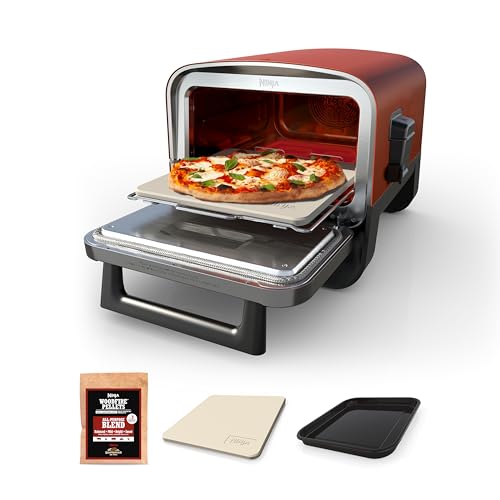
- Best electric option — no open flame: Ninja Woodfire 8-in-1 Outdoor Oven (OO101) — Check on Amazon
- Gozney Roccbox Outdoor Pizza Oven — Check on Amazon
- Solo Stove Pi Prime Propane Pizza Oven — Check on Amazon
See 3 more Amazon options
- Ooni Koda 16 Gas Pizza Oven — Check on Amazon
- Ooni Karu 2 Pro Multi-Fuel Pizza Oven — Check on Amazon
- Gozney Arc XL Propane Pizza Oven — Check on Amazon
Read the full guide ↓
Disclosure: As an Amazon Associate, dailyhomedecorating.com earns from qualifying purchases. Links to Amazon on this page are affiliate links; they cost you nothing extra. Listing details such as price and availability change often, so check the current Amazon listing before you buy.
Searching for the best outdoor pizza oven for apartments under $1500 starts with a truth no budget can change: in most apartment buildings, the oven is not the obstacle — the rules are. Many leases and HOA rulebooks prohibit open flames, charcoal and solid fuel on balconies outright; many prohibit propane appliances or even the storage of propane tanks; local fire codes in many cities ban fuel-burning cooking devices on balconies of multifamily buildings entirely. A $1500 budget does not override a single one of those rules, and an oven you are not allowed to light is the most expensive paperweight you will ever own. So this guide is organized differently from our others: the rules check comes first, the electric oven that most buildings can accept comes first, and the fuel-burning ovens are included with explicit conditions — for readers with ground-floor patios, private terraces, or written permission — never as a suggestion to bend a rule.
Step one, before reading a single review: get your building’s actual policy. Read the lease’s balcony and cooking clauses, ask management in writing whether electric outdoor ovens, propane appliances and tank storage are permitted, and check your city’s fire code for multifamily balconies. An email answer takes a day and protects a four-figure purchase. Step two: check the physical facts — an outdoor-rated outlet for an electric oven, a non-combustible surface, and the clearances any appliance requires. Step three is the fun part, and it is what the rest of this guide is for.
The good news is real: apartment pizza is not a compromise category anymore. The electric Ninja Woodfire bakes genuinely good artisan pizza with real wood-pellet smoke flavor and asks nothing of a fire code beyond an outlet. And for the minority of apartment dwellers whose space and paperwork genuinely allow gas, the compact ovens below are the ones that store indoors, set up in minutes, and keep the peace with the neighbors above and below.
In this guide
Quick picks
| Oven | Best for | Fuel | Pizza size |
|---|---|---|---|
| Ninja Woodfire 8-in-1 Outdoor Oven (OO101) | Best electric option — no open flame | Electric (wood pellets only for smoke flavor) | 12-inch pizzas |
| Gozney Roccbox Outdoor Pizza Oven | Best portable oven | Propane (detachable wood burner available separately) | 12-inch pizzas |
| Solo Stove Pi Prime Propane Pizza Oven | Best compact gas oven | Propane | 12-inch pizzas |
| Ooni Koda 16 Gas Pizza Oven | Best value 16-inch gas oven | Propane | 16-inch pizzas |
| Ooni Karu 2 Pro Multi-Fuel Pizza Oven | Best overall for wood-fired flavor | Wood or charcoal (propane with the optional Ooni gas burner, sold separately) | 16-inch pizzas |
| Gozney Arc XL Propane Pizza Oven | Best premium gas oven | Propane | 16-inch pizzas |
How these picks were chosen
For apartments we filtered by permission before performance. The electric pick leads because it is the only style of outdoor oven that a typical multifamily building’s rules can accommodate at all. The gas picks that follow were chosen for the apartment realities that matter after permission: compact footprints, folding legs or light weight for indoor storage (many buildings that allow use still prohibit leaving appliances and tanks on the balcony), cooler-touch bodies for tight spaces, and fast setup that suits a small balcony session. The two large flagships are included at the end with their conditions stated plainly, because readers with townhouses, duplexes and ground-floor patios share this search term — but their reviews say exactly who should not buy them.
We built this shortlist from manufacturer specifications, current Amazon listings and CPSC recall records, and we applied four filters. First, the total picture: an oven only counts as fitting this budget if the oven itself is realistically purchasable within it through normal retail channels — which is why the famous dealer-sold ovens above this class, such as the Gozney Dome in its dual-fuel form, are discussed honestly in the buying advice but are not picks: they sit above the ceiling before a stand is even added. Second, verified identity: every linked pick has a confirmed Amazon listing for the exact model named, checked during research for this guide. Third, safety screening: we checked the category against CPSC recall notices and excluded any product subject to an active recall. Fourth, honesty about tier: a budget this large is really a budget for a complete station — oven, stand, peels, cover, thermometer, fuel — and our reviews judge each oven partly on what the full setup around it demands. Where a pick’s price or specification could not be verified, we say so rather than filling the gap with a guess.
Detailed reviews
Ninja Woodfire 8-in-1 Outdoor Oven (OO101) — Best electric option — no open flame
An electric outdoor oven with five artisan pizza settings, an integrated smoker box that burns real wood pellets for flavor, and eight cooking functions — and no fuel flame at all.
The Ninja Woodfire Outdoor Oven breaks the pattern of this guide: it is electric. It plugs into a standard outlet, heats to 700°F, and cooks pizza across five artisan presets, while an integrated smoker box burns real wood pellets to lay genuine smoke flavor over the food. Beyond pizza it roasts, bakes, air-fries and dehydrates — eight functions in a weather-resistant body. Its pizzas are excellent of their kind, but its kind is different: at 700 degrees you get beautifully browned artisan and New York-style pies, not the 60-second blistered Neapolitan that the 950-degree ovens exist to make.
Who it suits: anyone whose building, lease or local rules prohibit fuel-burning appliances outdoors; cooks who want one appliance for pizza, roasts and smoked dishes; and beginners who want presets instead of fire management.
What we like: no flame, no tank, no fuel storage — the only oven in this guide many apartment buildings will allow at all; the pellet smoker box delivers real wood-smoke flavor legally in places a wood oven never could; the extra functions earn its footprint every week, not just on pizza night; precise electric temperature control is the most repeatable heat here.
Honest limitation: the 700-degree ceiling is a hard physical limit — if your dream is a leopard-spotted Neapolitan crust, this oven cannot take you there, and no setting changes that. It also needs an outdoor-rated outlet within cord reach, and pizzas cap out at 12 inches.
Choose it if your rules ban flame or you want a multi-function outdoor oven. Skip it if Neapolitan pizza is the whole point.
For apartments this is, in most buildings, the answer. No propane tank to store (many leases ban the tanks themselves, not just their use), no open flame, no embers, no smoke beyond a wisp of pellet flavor — the Ninja is the only oven in this guide that a typical balcony policy even has a chance of permitting, and it still needs a check of your lease and an outdoor-rated outlet. If your building bans outdoor cooking appliances entirely, the honest recommendation is to spend this budget indoors instead, and we would rather tell you that than sell you an oven you cannot use.
Check on Amazon · See the Ninja Woodfire 8-in-1 Outdoor Oven (OO101) listing
Gozney Roccbox Outdoor Pizza Oven — Best portable oven
The original stone-floor portable: restaurant-grade insulation, a safe-touch silicone jacket, retractable legs, a built-in thermometer and a professional peel included in the box.
The Roccbox started the portable pizza oven revolution, and its party trick is still unmatched: insulation so effective that the silicone-jacketed body stays comparatively cool to the touch while the stone inside sits at full pizza temperature. It ships with a professional-grade peel, has a built-in thermometer, sets up in seconds on retractable legs, and runs on propane out of the box, with a detachable wood burner available separately for cooks who want occasional wood fire. It is built like catering equipment because it was designed for it.
Who it suits: cooks who will move the oven — between patio and tailgate, home and holiday house — families with children around the cooking area, and anyone whose space demands a 12-inch oven with no compromises in build.
What we like: the safe-touch exterior is a real, practical advantage around kids and in tight spaces; heat retention is remarkable for its size, so back-to-back pizzas do not fade; the included peel and thermometer mean the box contains more of the true cost than rivals; it feels indestructible in a way lighter ovens do not.
Honest limitation: it is a 12-inch oven, and at around 44 lb it is ‘portable’ the way a full propane tank is portable — fine to move, not something you carry far. The wood burner is an extra purchase, and the oven’s price is high for its cooking area: you are paying for insulation and build, not size.
Choose it if build quality, safety around the oven, and portability matter more than pizza diameter. Skip it if 16-inch pizzas are your household standard.
Apartment readers in buildings that allow propane on a private balcony get the friendliest possible version of a gas oven here: a compact footprint, a cooler-touch body in a tight space where people brush past, and legs that fold so it can live in a storage box. The rules check still comes first — no oven’s convenience overrides a lease or a fire code.
Check on Amazon · See the Gozney Roccbox Outdoor Pizza Oven listing
Solo Stove Pi Prime Propane Pizza Oven — Best compact gas oven
Solo Stove’s gas-only Pi: a demi-dome heat design, a wide panoramic opening that makes turning easy, front push-button ignition and a stainless body light enough to move with one person.
The Pi Prime is Solo Stove’s gas-only simplification of its Pi oven: a stainless demi-dome that pushes heat down onto the pizza, a wide panoramic opening that makes launching and turning noticeably less fussy for beginners, and a front-mounted control with push-button ignition. At roughly 31 lb it is the lightest oven in this guide, and it runs on propane with an optional smaller tank adapter for compact setups. It reaches the same 950-degree class as the flagships on the maker’s rating, and asks very little of the cook in exchange.
Who it suits: beginners who want the fewest possible failure modes, small households cooking two to four pizzas, and anyone who will move the oven frequently — between storage and patio, or between home and campsite.
What we like: the wide opening genuinely reduces launched-pizza disasters; the weight makes one-person setup realistic; ignition and temperature control are the simplest here; the stainless body shrugs off weather and wipes clean.
Honest limitation: it is a 12-inch, gas-only oven — there is no wood option — and its stone and insulation are lighter than the premium picks, so recovery between many back-to-back pizzas is slower and results in wind and cold are less consistent. It is a convenience-first oven, and cooks who want a bigger deck or fuel choice will feel those limits, not a lack of heat.
Choose it if easy, light and forgiving top your list. Skip it if you are chasing competition-style Neapolitan crusts.
Where an apartment’s rules allow a small propane appliance on a private balcony, the Pi Prime’s light weight and compact body make it the easiest gas oven here to store indoors between uses — which matters when outdoor storage is banned or space is tight. Where gas is banned too, the electric Ninja below is your pick; do not let any oven talk you around your building’s rules.
Check on Amazon · See the Solo Stove Pi Prime Propane Pizza Oven listing
Ooni Koda 16 Gas Pizza Oven — Best value 16-inch gas oven
The oven that defined the category: an L-shaped gas burner for even edge-to-edge heat, instant ignition, foldaway legs and a 16-inch stone, at a mid-range price that leaves most of this budget unspent.
The Koda 16 is the proven middle of this market: a 16-inch gas oven with an L-shaped burner that wraps heat around two sides of the stone, instant ignition, foldaway legs and a long track record. It heats fast, bakes a true high-temperature pizza in about a minute once the stone is ready, and then folds up and goes back in the garage. In a guide about a generous budget, its role is important: it demonstrates that the core experience — real 16-inch, high-heat, stone-baked pizza — costs far less than the ceiling, leaving most of the budget for the stand, tools, cover and ingredients that make the hobby sustainable.
Who it suits: first-time oven buyers who want the full-size experience without flagship prices, families who cook two to six pizzas at a time, and anyone who values being able to store the oven away between uses.
What we like: the L-shaped burner gives more even heat than a single rear burner; setup is minutes, not a project; the folding legs make storage and transport realistic; parts, covers and accessories are everywhere because the model has been popular for years.
Honest limitation: the stone is thinner and the insulation lighter than the premium ovens above, so in a long session of back-to-back pizzas you will wait longer for the floor to recover between bakes, and windy, cold evenings show up in your results more. There is no built-in thermometer — an infrared thermometer is a near-mandatory accessory.
Choose it if you want maximum pizza per dollar and a complete station well inside budget. Skip it if you regularly cook eight-plus pizzas in a row and hate waiting between them.
For apartment dwellers with a genuinely permissive lease and a balcony where gas appliances are allowed, the Koda 16’s foldaway legs are its superpower: it stores in a closet between sessions instead of living outside, which also keeps the peace with building management. Verify the rules first — storage convenience does not make a banned appliance allowed.
Check on Amazon · See the Ooni Koda 16 Gas Pizza Oven listing
Ooni Karu 2 Pro Multi-Fuel Pizza Oven — Best overall for wood-fired flavor
Ooni’s flagship multi-fuel oven: a 16-inch cordierite stone, a full glass ViewFlame door, an integrated digital thermometer with Ooni Connect app support, and genuine wood or charcoal fire out of the box.
The Karu 2 Pro is what this budget is really for. It burns real wood or lump charcoal out of the box, which is still the only way to get genuine wood-fired flavor and leopard-spotted crusts, and it does it in a 16-inch format with a proper glass door — the ViewFlame door lets you watch the bake without dumping heat every time you peek. An integrated digital thermometer talks to the Ooni Connect app, so you can see stone temperature trends instead of guessing from a single infrared snapshot. Insulation is substantially better than the first-generation Karu ovens, which means less fuel per session and a stone that recovers faster between pizzas.
Who it suits: the cook who wants the ritual and the flavor of a real fire, bakes 14- to 16-inch pizzas, and will actually use the oven often enough to learn fire management. It also suits households split between wood-fired weekends and weeknight convenience, because the optional Ooni gas burner (sold separately) converts it to propane in minutes.
What we like: true multi-fuel flexibility; the glass door transforms back-to-back baking because you stop opening the oven to check; the 16-inch stone fits family-size pies; heat-up to serious pizza temperatures in roughly half an hour on wood; build quality and insulation a clear step above entry ovens.
Honest limitation: the headline price is not the whole price. The gas burner is a separate purchase, a peel is a separate purchase, and a stand is a separate purchase — the complete station is what your budget is really buying. Wood fire also means work: you tend the fire, you manage the stone temperature, and your first dozen pizzas will teach you things the manual cannot.
Choose it if wood-fired flavor is the point of the purchase. Skip it if you know honestly that you will only ever cook on gas — a dedicated gas oven below does the same job with less to buy and less to learn.
For apartment readers this pick comes with the strongest caveat in the guide: a wood- and charcoal-burning oven produces smoke and embers, and on most balconies it is simply not permitted, whatever the budget. Consider it only if you have a private terrace or ground-floor patio where your lease and local fire code clearly allow solid-fuel cooking — and get that permission in writing before you spend anything.
Check on Amazon · See the Ooni Karu 2 Pro Multi-Fuel Pizza Oven listing
Gozney Arc XL Propane Pizza Oven — Best premium gas oven
Gozney’s flagship compact oven: a lateral rolling gas flame that mimics a wood fire, a removable 20mm stone floor, dense two-layer insulation and a built-in digital thermometer.
The Arc XL is Gozney’s answer to a subtle problem: most gas pizza ovens heat from the back, so one side of the pizza races ahead of the other. Its burner sits to the side and throws a lateral rolling flame across the dome, mimicking the way a wood fire licks across a traditional oven roof. The result is unusually even heat for gas, in a 16-inch chamber with a thick removable stone floor and dense insulation that holds temperature between pizzas. A built-in digital thermometer is standard, and the whole oven has the dense, engineered feel of Gozney’s professional line.
Who it suits: the buyer who wants gas convenience without giving up the rolling-flame bake, values build quality and design, and cooks often enough that evenness and heat retention pay for themselves every single session.
What we like: the lateral flame genuinely reduces the turning babysitting other gas ovens demand; heat retention between back-to-back pizzas is excellent; the built-in thermometer reads the stone zone that matters; the compact exterior hides a full 16-inch interior; fit and finish are the best on this page.
Honest limitation: it is propane only — there is no wood option and no factory dual-fuel version, so if wood flavor matters, look at the Karu 2 Pro instead. It is also a stay-in-place oven at close to 60 lb, and Gozney’s matching stand and cover are separate purchases that a complete setup should budget for.
Choose it if you want the most refined gas bake under this budget. Skip it if you want fuel flexibility or true portability.
For apartments, the Arc XL is a maybe in a very narrow set of circumstances: a large private terrace, a lease that explicitly permits propane appliances, and room for full clearances. Its stay-put weight actually helps there — this is not an oven you haul in and out — but if any one of those conditions fails, the electric pick in this guide is the honest answer instead.
Check on Amazon · See the Gozney Arc XL Propane Pizza Oven listing
Side-by-side comparison
| Oven | Fuel | Pizza size | Max temperature | Weight | Price |
|---|---|---|---|---|---|
| Ninja Woodfire 8-in-1 Outdoor Oven (OO101) | Electric (wood pellets only for smoke flavor) | 12-inch pizzas | Up to 700°F (maker rating) | About 32 lb | Check on Amazon |
| Gozney Roccbox Outdoor Pizza Oven | Propane (detachable wood burner available separately) | 12-inch pizzas | Up to 950°F (maker rating) | About 44 lb | Check on Amazon |
| Solo Stove Pi Prime Propane Pizza Oven | Propane | 12-inch pizzas | Up to 950°F (maker rating) | About 31 lb | Check on Amazon |
| Ooni Koda 16 Gas Pizza Oven | Propane | 16-inch pizzas | Up to 950°F (maker rating) | About 40 lb | Check on Amazon |
| Ooni Karu 2 Pro Multi-Fuel Pizza Oven | Wood or charcoal (propane with the optional Ooni gas burner, sold separately) | 16-inch pizzas | Up to 950°F (maker rating) | About 63 lb | Check on Amazon |
| Gozney Arc XL Propane Pizza Oven | Propane | 16-inch pizzas | Up to 950°F (maker rating) | About 58.5 lb | Check on Amazon |
Temperatures and weights are the makers’ published figures; real stone temperatures vary with weather, fuel and preheat time. Prices change constantly, which is why every cell above simply says to check price on Amazon rather than printing a number that would be stale within weeks.
Fire safety comes before the first pizza
Every oven in this guide produces serious heat, and most produce open flame. Treat the safety rules as part of the purchase, not fine print. Set the oven on a stable, heat-resistant, non-combustible surface — a metal or stone-topped stand, pavers or concrete — never on a wooden or plastic table unless the maker explicitly rates the setup for it, and never on grass or decking boards. Keep the manufacturer’s stated clearances from walls, fences, eaves, outdoor furniture, umbrellas and anything else combustible, on every side and above; a pizza oven’s exhaust plume is far hotter than the air around a grill. Keep children and pets well back while the oven is hot and while it cools, which can take far longer than the cooking did. Keep a suitable fire extinguisher within reach, never leave a lit oven unattended, and let ash and embers cool completely in a metal container before disposal. For gas models, check hose and regulator connections with soapy water for leaks before the first cook of the season, and shut the tank valve whenever the oven is stored. Before buying, also check current recall notices: we screened this category against CPSC recall listings while researching this guide and excluded products subject to an active recall, and you should repeat that quick check for any oven you are about to buy, whatever guide you read it in.
How to choose the best outdoor pizza oven for apartments under $1500
Start with the paperwork, not the products. Lease clause, HOA rules, written management answer, city fire code — in that order. Solid fuel is banned in most multifamily settings; propane is banned in many; tank storage is banned in more than most renters expect. Electric is the default assumption until a document says otherwise.
Match the oven to the storage you actually have. If the oven must live in a closet or entryway between sessions, weight and folded size are the specs that matter. The Pi Prime and Koda 16 fold or carry easily; the Roccbox folds its legs and stores in a box; the flagships at the end of this guide effectively cannot be stored indoors in a small flat, which is a legitimate reason to rule them out even where they are allowed.
Think about your neighbors as a design constraint. Smoke drifts up into the balcony above; that is physics, not rudeness. Electric heat with a wisp of pellet smoke is the neighbor-friendly ceiling for most buildings, and choosing it voluntarily is how apartment pizza nights survive their second month.
Confirm the surface and the outlet. An electric oven needs an outdoor-rated outlet within cord reach — extension cords are not an acceptable plan for a high-draw heating appliance unless the maker explicitly allows a rated one. Any oven needs a stable, heat-resistant surface and its stated clearances, which on a small balcony is a measurement to make before ordering.
Spend the surplus on access, not size. This budget is generous for apartment-scale ovens. The remainder buys the good version of everything: a sturdy heat-safe table, quality peels sized for a small oven, a cover, and storage that keeps the setup tidy enough to stay welcome.
Building the complete station: where the rest of the budget goes
An oven alone makes pizza the way a camera body alone makes photographs — the supporting kit decides how often the main tool gets used and how good the results are. At this budget the correct mental model is a station with five components, and it is worth pricing the whole thing before falling for any single oven.
The stand. It must be stable, level, heat-resistant and rated for the oven’s full weight, with room beside the oven for a landing zone. Brand stands fit perfectly and cost accordingly; sturdy metal or stone-topped outdoor tables can serve when they genuinely meet the weight and heat requirements. What cannot serve is the wooden or plastic table already on your patio — heat and a heavy appliance will find its limits.
The peels. You need two kinds. A placement peel — wide, flat, metal or wood — builds and launches the pizza. A turning peel — small and round — rotates the pizza in the oven and retrieves it. One peel can improvise both jobs badly; two proper peels make the whole process calm, and calm is what consistent pizza is made of.
The thermometer. Ovens with built-in digital readouts cover this; the rest need an infrared thermometer, because stone temperature — not air temperature, not the dial — is the number that decides when to launch. Guessing produces the classic pairing of a burnt top and a raw base.
Protection. A fitted cover if the oven lives outdoors, a dry home for the stone in harsh winters, and a brush for ash and flour. None of it is glamorous; all of it is the difference between a three-year oven and a ten-year oven.
Fuel and ingredients. A first supply of your fuel — seasoned hardwood or lump charcoal, a full propane tank plus a spare plan, or pellets for the smoker box — and the unglamorous consumables of good pizza: proper bread flour or 00 flour, quality tomatoes, low-moisture mozzarella, and semolina for dusting peels. More pizzas are ruined by wet cheese and sticky dough than by any oven on this page.
Costed honestly, that supporting cast explains this guide’s recurring advice: the mid-priced ovens plus a complete station outperform a bare flagship on a random table, every single time. Buy the system, not the trophy.
The rules in detail: what to check, and what to ask
Because this guide’s first claim is that paperwork outranks products, here is the paperwork, spelled out. Apartment cooking rules come from three layers, and permission has to survive all three.
Your lease. Look for clauses on balconies, outdoor cooking, grills, open flame, and fuel storage — they are often in different sections. Many leases ban ‘grills’ without mentioning pizza ovens; a propane pizza oven is, in fire terms, a gas cooking appliance, and arguing the wording after a complaint is a losing position. If the lease is silent, that is not permission — it is an unanswered question, which leads to layer two.
Your building or HOA. Ask management directly, in writing, three specific questions: Are electric outdoor ovens permitted on balconies? Are propane cooking appliances permitted? Is propane tank storage permitted anywhere on the property, and if so, where? Keep the reply. A written yes protects you; a verbal yes from a leasing office agent protects you much less. If the answer bans fuel appliances — the common outcome — the electric oven at the top of this guide is not a consolation prize; it is the category working as intended.
Your city or county fire code. Many jurisdictions prohibit fuel-burning cooking devices on balconies of multifamily buildings above a certain size, with narrow exceptions for electric devices and for ground-floor patios with distance from the structure. These codes bind you regardless of what a lease says, and they are the reason this guide never treats a ground-floor patio and a fifth-floor balcony as the same situation.
Two further practicalities. Insurance: a prohibited appliance involved in any incident, however small, can void coverage — another reason the written answer matters. And neighbors: smoke rises, and the household above your balcony experiences your pizza night involuntarily. The electric oven’s near-smokeless operation is a social feature as much as a legal one, and on a shared building’s terms, social features are survival features. Do the checks, keep the email, and then enjoy pizza night with a completely clear conscience — it tastes better that way.
Common mistakes apartment buyers make
Buying first and asking the building later. The single most expensive mistake in this category. An unreturnable oven plus a prohibited balcony equals a total loss, and it is entirely avoidable with one email sent before checkout.
Assuming a small propane tank is exempt. Many rules ban the appliance class or the tank storage, not a tank size. A one-pound canister does not create a loophole where a lease bans gas cooking on the balcony.
Storing a propane tank indoors or on the balcony ‘just for now’. Tanks belong where your building and local code say they belong. If there is no legal storage option, there is no gas oven option — that is what the electric pick is for.
Ignoring the neighbors until the complaint arrives. One smoky evening can end a whole building’s tolerance. Electric-first is not just compliance; it is strategy.
Running a high-draw oven on a random extension cord. Follow the maker’s electrical guidance exactly. Heat plus an undersized cord is a fire risk in precisely the setting where fire risk matters most.
Final recommendation
For most apartment readers the answer is the Ninja Woodfire: confirm your building allows an electric outdoor oven and that you have a suitable outlet, and you are done — genuinely good pizza, real smoke flavor, no flame, no tank, no rule anxiety, and most of this budget still in your pocket for a stand, tools and ingredients. If — and only if — your documents explicitly allow propane, the Roccbox and Pi Prime are the compact, storable gas ovens that fit apartment life best. The large flagships close this guide as a warning as much as a ranking: in a typical apartment they fail on rules, size or storage, and no review score fixes that. When in doubt, choose the oven your building says yes to.
Technique: getting flagship results from any oven here
Every oven in this guide can produce a disappointing pizza in careless hands and an excellent one in practiced hands, and the gap between the two is mostly technique that costs nothing. Five habits separate the results.
Heat the stone, not the air. The number that matters is the stone’s temperature at its center, measured with an infrared thermometer where one is not built in. Launching on a stone that has only just reached temperature at the surface gives a pale, soft base under a finished top. Give the oven its full preheat, and between pizzas in a long session, give it the pause it asks for — the premium ovens shorten that pause; none abolish it.
Dry toppings, room-temperature dough. Cold dough resists stretching and snaps back; wet mozzarella and watery sauce steam the base from above. Dough at room temperature, cheese drained and patted dry, sauce applied thinner than instinct suggests — these three habits improve every pizza from every oven on this page more than any upgrade would.
Less is more on the peel. A light dusting of semolina or flour, a pizza built quickly and launched with confidence — a hesitant, overloaded pizza sticks, folds and burns in that order. Build the pizza on the peel only at the moment the oven is ready, and give the peel a small shake before launching to confirm the pizza moves freely.
Turn once, decisively. Even the best ovens here have a hotter side. One confident turn with the turning peel, midway through a short bake, evens the crust; constant nervous adjustment tears bases and dumps heat.
Rest the pizza, briefly. A minute on a rack or board lets the base set and the cheese settle. Slicing the second a pizza lands turns a crisp crust soft at exactly the moment everyone is watching.
None of this is talent; it is sequence. Run the same sequence ten times and the oven you bought — whichever pick it was — starts producing the pizzas the brochures promised.
A season with the setup: apartment pizza, lived honestly
Owners of the electric setup describe a particular pleasure: pizza night with zero negotiation. No fuel run, no tank anxiety, no glance at the balcony above — the oven preheats while the dough is stretched, and the building never knows. The Ninja’s other functions quietly take over weeknight duties the pizza oven was never bought for, which is how an appliance earns permanent counter or balcony space in a home where space is the scarcest currency.
For the minority running an approved gas setup, the season has a different texture: the oven comes out of storage, the session feels like an event, and the pack-away is part of the ritual. Both seasons are good ones. The only bad season in this category belongs to the oven bought against the rules, and it is measured in weeks, ending with a listing on a resale site. The checks at the top of this guide are what stand between those two stories — a day of paperwork for years of pizza is the best trade this guide offers.
Frequently asked questions
Can I use a pizza oven on my apartment balcony?
It depends entirely on your lease, HOA rules and local fire code. Solid fuel is prohibited in most multifamily buildings, propane in many, and electric ovens are the most commonly permitted option. Get your building’s answer in writing before buying.
Why is the electric oven ranked first for apartments?
Because it is the only oven style here with no open flame, no fuel tank and minimal smoke — the three things building rules most often prohibit. Permission is the first feature an apartment oven needs.
Does the Ninja Woodfire taste like wood-fired pizza?
Its smoker box burns real wood pellets, so the smoke flavor is genuine. The crust style differs: at its 700-degree ceiling it makes excellent artisan and New York-style pies rather than 60-second Neapolitan.
Can I store a propane tank on my balcony or in my flat?
Often not — many leases and fire codes restrict tank storage specifically. If your building offers no legal storage, a gas oven is not a workable option, whatever its size.
What if my building bans all outdoor cooking appliances?
Then the honest move is to not buy an outdoor oven. Spend the budget on indoor pizza equipment instead, and revisit this guide if your housing situation changes.
How much of the $1500 budget does an apartment setup need?
Usually well under half for the oven itself. The rest is best spent on a heat-safe table, peels, a cover and tidy indoor storage — the things that keep a small-space setup practical.
Working with your building, not around it
A final piece of practical diplomacy, because apartment pizza is a long game. If your building’s answer is electric-only, accept it gracefully and completely — the Ninja’s owners are not suffering, and a renter known for respecting the rules is a renter whose future requests get heard kindly. If your building allows more, a short note to immediate neighbors before a first gas session — what it is, how long it runs, an invitation to share the results — converts potential complainants into stakeholders, and a slice delivered upstairs has prevented more disputes than any lease clause ever written.
If your building’s answer is no to everything, believe it the first time. The temptation to interpret silence, ambiguity or a predecessor’s behavior as permission is how deposits get lost. Apartment living is a sequence of homes for most people; the building you are in next year may have a terrace, a courtyard or a roof deck with entirely different rules. Buy the oven for the home whose rules you have read — or wait, and let the next home choose the oven. Either way, you end up with pizza and a clear record, and that combination is the entire point of this guide.
Related guides
Compare the wider picture in our general Best Outdoor Pizza Oven Under $1500 guide and the Best Outdoor Pizza Oven For Small Patios Under $1500 rankings. Stepping down a tier, the Best Outdoor Pizza Oven Under $700 guide covers smaller budgets, and for the balcony itself, see the Best Outdoor Rug For Apartments Under $1500 and Best Outdoor String Lights Under $1500 guides — and always confirm your building allows any appliance before ordering it.