Where to buy
Check the latest price, availability and delivery on Amazon. Orders are placed on Amazon. We may earn a commission from qualifying purchases.
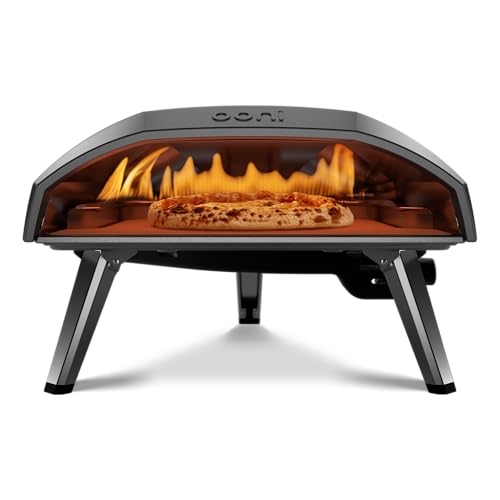
- Best overall: Ooni Koda 16 Gas Pizza Oven — Check on Amazon
- Best multi-fuel: Ooni Karu 2 Multi-Fuel Pizza Oven — Check on Amazon
- Best build quality: Gozney Roccbox Outdoor Pizza Oven — Check on Amazon
- Easiest gas start: Solo Stove Pi Prime Pizza Oven — Check on Amazon
- Best electric: Ooni Volt 2 Electric Pizza Oven — Check on Amazon
- Most versatile electric: Ninja Artisan Outdoor Pizza Oven MO201 — Check on Amazon
Read the full guide ↓
Disclosure: As an Amazon Associate, dailyhomedecorating.com earns from qualifying purchases. Links to Amazon on this page are affiliate links; they cost you nothing extra. Listing details such as price and availability change often, so check the current Amazon listing before you buy.
Seven hundred dollars is the point where outdoor pizza ovens stop being toys and start being tools. Below this tier you mostly get thin steel, small stones and burners that scorch one side of a pizza while the other side stays pale. In a guide to the best outdoor pizza oven under $700, the expectations are different: a stone thick enough to hold heat through back-to-back pizzas, insulation that keeps the flame working on the food instead of the night air, temperature you can actually control, and build quality that survives being hauled in and out of a garage all summer. Every oven in this roundup was chosen against that standard, and every one of them can produce a leopard-spotted, blistered crust that a kitchen oven — capped hundreds of degrees lower — simply cannot.
The first decision is not brand, it is fuel, because fuel decides almost everything else about how the oven fits your life. Gas ovens such as the Ooni Koda 16 and the Solo Stove Pi Prime light with a click, reach cooking temperature on a predictable schedule, and ask almost nothing of you while a pizza bakes. Multi-fuel ovens such as the Ooni Karu 2 burn real wood or charcoal for the flavor and theatre many people buy a pizza oven for in the first place, with an optional gas burner for weeknights. The Gozney Roccbox splits the difference with a rolling gas flame and an optional wood burner. And the two electrics — the Ooni Volt 2 and the Ninja Artisan — remove flame from the equation entirely, which matters more than it used to: a growing number of patios, balconies and rental agreements restrict open flame, and an electric oven keeps pizza night legal where a propane burner would not be. If you are shopping a tighter budget first, our companion roundup of the Best Outdoor Pizza Oven Under $500 covers the strongest sub-tier picks, and the Best Outdoor Pizza Oven Under $300 guide shows honestly what has to give at that price.
Size is the second decision, and it is really a decision about who you feed. A 16-inch oven such as the Koda 16 cooks family-size pizzas and gives you forgiving room to launch, turn and retrieve without kissing the flame — but it is a bigger, heavier box that needs a bigger table and a bigger storage corner. A 12-inch oven is the classic portable format: lighter, quicker to heat, easier to store, and big enough for the personal pizzas most households actually make on a Friday night. Neither is better in the abstract. The right answer is the one that matches your table, your car boot and your guest list.
One warning before the picks, because this category demands it: these ovens run at temperatures that deserve respect. Stones sit at 750–950°F, shells get hot enough to burn skin through a careless grab, and gas models involve propane connections that must be checked, not assumed. Every pick below is used outdoors or, for the electrics, exactly as its maker rates it; every pick sits on a heat-resistant, non-combustible surface with clear space from walls, fences, deck rails and anything that can burn; and no fuel-burning oven here is ever run indoors, in a garage, or under a low covered structure unless the maker explicitly allows it. Read the safety section before your first firing, not after. Readers planning a full outdoor cooking corner may also want our guides to gas grills and fire pits at the same tier, which follow the same clearance discipline.
In this guide
Quick Picks: Best Outdoor Pizza Oven Under $700
| Pick | Best for | Fuel | Pizza size | Peak heat (maker) |
|---|---|---|---|---|
| Ooni Koda 16 | Best overall | Propane | 16 in | 950°F class |
| Ooni Karu 2 | Best multi-fuel | Wood / charcoal, optional gas | 12 in | 950°F class |
| Gozney Roccbox | Best build quality | Propane, optional wood | 12 in | 950°F class |
| Solo Stove Pi Prime | Easiest gas start | Propane | 12 in | 950°F class |
| Ooni Volt 2 | Best electric | Electric 120V | 12 in | 850°F |
| Ninja Artisan MO201 | Most versatile electric | Electric | 12 in | 700°F |
If you only read one line: most households should buy the Koda 16 for its size and simplicity, wood-fire romantics should buy the Karu 2, and anyone whose space restricts open flame should start with the two electrics at the bottom of the table.
How These Picks Were Chosen
We built the long list from the ovens that dominate this tier in maker lineups and retailer ranges, then cut it hard. An oven stayed only if it met all of the following: it comes from an established maker with a real warranty and parts support; its Amazon listing and identity could be verified exactly, model for model; a current price sighting placed it at or under the $700 tier ceiling at the time of research; its published specifications — pizza size, fuel, peak temperature, stone, weight — could be confirmed against the maker’s own documentation rather than marketplace copy; and it was not subject to a safety recall. That last filter is not decorative. We checked CPSC recall records for this category before writing, and any grill or oven combination caught by a recall was excluded from this guide entirely, in every section, without exception. The full verification trail for every pick, including price sightings and the recall check, is recorded in the sources file published with this article.
Within the survivors, we ranked by the things that decide whether an oven gets used weekly or gathers dust: how fast and how evenly the stone heats, how much heat the stone and insulation hold between pizzas, how much control the cook has mid-bake, how the oven handles the unglamorous work of cooling, cleaning and storage, and how honest the running costs are once you add the peel, cover, gas burner or fuel the base price leaves out. Where a well-known oven in this price neighborhood failed the tier test — a discontinued flagship whose remaining stock sits above the ceiling, or a premium model whose maker price is well beyond it — we say so in prose rather than linking you to a listing that breaks the budget. You will find those honest mentions in the comparison section, because knowing what $700 does not buy is part of choosing well.
A note on temperatures: peak figures quoted here are the makers’ published maximums. What matters in practice is stone temperature at launch, which is why an infrared thermometer is the one accessory we recommend to every buyer regardless of oven, and why several reviews below talk about heat-up and recovery behavior rather than headline numbers alone.
The 6 Best Outdoor Pizza Ovens Under $700, Reviewed
1. Ooni Koda 16 — Best Overall
Who it suits: Families and hosts who want the biggest, simplest gas oven in the tier — light it, wait, launch, eat — with room to spare for larger pizzas and forgiving launches.
The Koda 16 is the oven this tier is measured against. It is a propane-only countertop oven built around an L-shaped burner that wraps flame along the back and side of a 16-inch cordierite stone, which evens out the hot-spot problem that plagues smaller single-bar burners: you still turn the pizza, but you turn it for even browning rather than emergency rescue. Ooni rates it into the 950°F class, with pizzas cooking in about a minute at full heat, and the wide mouth makes the physical work — launching off a peel, turning mid-bake, retrieving without dragging toppings — noticeably calmer than in a 12-inch box. The legs fold, the gas hose and regulator are in the box, and there is no chimney, no door and no fire to build. For a household that wants pizza night to be a weeknight possibility rather than a weekend project, that simplicity is the product.
Pros:
- 16-inch stone fits family-size pizzas and gives beginners launch room that prevents most topping disasters.
- L-shaped burner produces a broad, even flame curtain; fewer scorched rims than straight-bar rivals.
- True push-button gas workflow: ignite, preheat, cook — no fire management at all.
- Folding legs and a hose-and-regulator package included; sets up on any sturdy heat-resistant outdoor table.
Honest limitation: It is a big, single-fuel appliance. At roughly forty pounds with a wide footprint it wants a dedicated table and storage spot, and there is no wood option — if the romance of a real fire is why you are buying, the Karu 2 below is the honest pick instead. It also has no built-in thermometer, so budget for an infrared thermometer to read the stone.
Choose it if you cook for four or more, want gas convenience, and have the table space. Skip it if storage is tight, you want wood flavor, or a 12-inch oven covers your household — the smaller ovens below heat faster and store easier.
Check on Amazon — check price on Amazon before you buy; this model is a previous-generation design in Ooni’s current lineup, so listings and stock move around.
2. Ooni Karu 2 — Best Multi-Fuel
Who it suits: Cooks who want real wood or charcoal fire as the main event, with the option to add gas later — and who enjoy tending a fire as part of the ritual.
The Karu 2 — the oven previously sold as the Karu 12G, renamed in Ooni’s streamlined lineup — is the multi-fuel heart of this tier. Out of the box it burns wood or charcoal in an enlarged fuel tray behind a borosilicate glass door, so you watch the flame roll across the ceiling of the oven while the stone climbs into the 950°F class in roughly a quarter of an hour. An integrated thermometer in the door frame replaces guesswork, the powder-coated shell shrugs off weather better than bare steel, and at under thirty-four pounds with a detachable chimney it is genuinely portable — campsite, tailgate, a friend’s garden. When a Tuesday is too short for fire-building, Ooni’s gas burner for the Karu line is a separate purchase that converts it to push-button propane; buy it with open eyes, because it is an add-on cost, not an inclusion.
Pros:
- Real wood and charcoal cooking with the flavor and flame theatre gas cannot imitate.
- Glass door and integrated thermometer make fire management far easier than open-mouth rivals.
- Lightest serious oven here; folds down into a genuinely transportable package.
- Optional gas burner (sold separately) turns it into a two-oven household over time.
Honest limitation: Fire is work. You will feed the tray, manage ash, and accept that the stone temperature moves with your fire rather than a dial — the first pizzas of a session are a warm-up act while you learn your oven. The gas burner that many buyers eventually want is an extra purchase on top of the oven, so price the combination before comparing it against gas-native ovens.
Choose it if wood-fired flavor is non-negotiable and you like the craft. Skip it if you want weeknight push-button ease from day one, or your space restricts wood smoke — see the electrics and the apartment guidance in our related guides.
Check on Amazon — check price on Amazon, and confirm whether any bundle includes the gas burner before assuming it does.
3. Gozney Roccbox — Best Build Quality
Who it suits: Buyers who keep appliances for a decade and want the most heavily insulated, restaurant-bred portable oven in the tier.
The Roccbox is the oven that professional pop-ups adopted before home buyers did, and it still feels a class apart in the hands: a thick, heavily insulated body wrapped in a silicone SafeTouch jacket that keeps the outer shell far more touch-tolerant than bare-metal rivals, retractable legs, a built-in thermometer, and a dense cordierite stone that holds heat through back-to-back pizzas with shorter recovery pauses. The included gas burner produces the brand’s signature rolling flame across the stone, into the 950°F class, and an optional wood burner is available for cooks who want both worlds. It cooks a 12-inch pizza, ships with a proper placement peel in the box, and has the fit and finish of equipment rather than gadgetry.
Pros:
- Best insulation in the roundup: faster recovery between pizzas and a cooler-touch exterior.
- Restaurant-grade build, retractable legs and a quality peel included.
- Rolling-flame gas burner gives even, dramatic browning; optional wood burner adds range.
- Built-in thermometer positioned where you actually need the reading.
Honest limitation: It is the heavyweight of the 12-inch class — around forty-four pounds — so “portable” means car-portable, not carry-it-to-the-park portable, and the 12-inch ceiling is firm: families who regularly cook 14–16-inch pizzas should take the Koda 16 instead. The wood burner is a separate accessory, not an inclusion.
Choose it if build quality, insulation and longevity top your list and 12-inch pizzas fit your table. Skip it if you need 16-inch capacity or the lightest possible oven to move.
Check on Amazon — check price on Amazon; this is the black finish listing, and other finishes are separate listings.
4. Solo Stove Pi Prime — Easiest Gas Start
Who it suits: Beginners and Solo Stove households who want the friendliest possible first gas oven: front controls, a wide opening, and no fire to manage.
The Pi Prime takes Solo Stove’s demi-dome design — a half-dome shell that wraps heat over the stone — and pairs it with the most approachable control layout in this roundup: the temperature dial sits at the front, where you can adjust it without reaching over a hot oven, and the wide panoramic opening makes launching and turning the least intimidating of any pick here. It runs on propane into the 950°F class per the maker, cooks 12-inch pizzas on its cordierite stone, and its stainless shell matches the smokeless-fire-pit aesthetic many patios already have. For a first oven, the learning curve is the gentlest in the tier: preheat, launch, turn once or twice, retrieve.
Pros:
- Front-mounted controls: adjust heat without leaning across a 900-degree opening.
- Wide panoramic mouth is the most forgiving launch and turning space in the 12-inch gas class.
- Clean stainless design, compact footprint, straightforward propane setup.
- Maker support and accessory range (peels, covers, stands) are easy to find.
Honest limitation: Gas is the only trick it knows — there is no wood path with this model, and the demi-dome’s heat distribution rewards learning its hot zone near the back; expect your first few pizzas to teach you where the stone runs hottest. It is a 12-inch oven with a first-oven brief, so high-volume entertainers may outgrow it.
Choose it if this is your first pizza oven and you value an easy first month. Skip it if you want fuel flexibility or 16-inch capacity.
Check on Amazon — check price on Amazon; make sure you are looking at the oven-only listing rather than a bundle if you already own peels and tools.
5. Ooni Volt 2 — Best Electric
Who it suits: Anyone whose space restricts open flame — balconies with rules, covered areas, rentals — and cooks who want pizza-oven heat with a plug and a preset button.
The Volt 2 is Ooni’s second-generation electric oven and the most interesting appliance in this guide. It runs on a standard 120V outlet at 1,600 watts, reaches 850°F — hundreds of degrees beyond a domestic oven — and bakes a 12-inch Neapolitan-style pizza in about ninety seconds per the maker, with an adaptive control system and one-touch presets that hold temperature through consecutive bakes far better than first-generation electrics did. There is even a low-temperature dough-proofing mode. It is rated for indoor use, which makes it the only pick here that keeps pizza night alive through winter, rain and flame bans alike; use it on a balcony or patio only within the maker’s guidance and your building’s rules, with the same heat-safe surface discipline as any oven in this guide.
Pros:
- No flame, no fuel, no propane: legal and practical where gas and wood are restricted.
- 850°F on a normal household outlet, with presets that make results repeatable for beginners.
- Compact countertop footprint, roughly twenty-six percent smaller than the electric model it replaced.
- Year-round, weatherproof pizza — the oven that gets used in January too.
Honest limitation: It is an indoor-rated countertop oven, not a weatherproof outdoor appliance — it cannot live outside, and 850°F, while excellent, is not the 950°F ceiling of the flame ovens, so the very fastest Neapolitan bakes are a touch slower. At just under forty pounds it is a move-it-when-you-use-it appliance, and it needs a circuit that can carry its draw without sharing with other hungry appliances.
Choose it if flame is banned, storage is indoors anyway, or you want the most forgiving learning curve in the guide. Skip it if you want to cook in open rain, need 16-inch pizzas, or wood flavor is the point.
Check on Amazon — check price on Amazon; it sits right at the top of this tier, so a sale is what comfortably brings it in.
6. Ninja Artisan MO201 — Most Versatile Electric
Who it suits: Small households and gadget-lovers who want one outdoor electric appliance that does pizza properly and several other jobs besides.
The Artisan is Ninja’s outdoor electric oven: a weather-resistant countertop unit that plugs in, reaches 700°F, and cooks a 12-inch pizza in about three minutes using preset programs for the styles people actually make — Neapolitan, thin crust, New York, Chicago-style and a custom setting — then keeps going as a small outdoor oven for baking, broiling, proofing and warming. That versatility is its honest pitch: it will not match the flame ovens’ ceiling temperature or crust drama, but it asks for no fuel, no fire management and no storage of propane, and on a small patio it can earn its footprint five ways instead of one. For apartment-adjacent spaces where an electric appliance is the only legal route and every square foot must justify itself, that matters — see our dedicated guide to the Best Outdoor Pizza Oven For Apartments Under $700 for the full rules-first breakdown.
Pros:
- Outdoor-rated electric: no flame, no fuel storage, simple plug-in setup.
- Style presets remove guesswork; genuinely good at weeknight pizzas.
- Multiple functions beyond pizza help it earn limited patio space.
- Leaves plenty of the $700 budget for a stand, peels and ingredients.
Honest limitation: The 700°F ceiling is real: crusts are very good, but the blistered, leopard-spotted drama of a 950°F flame oven is beyond it, and bake times are minutes rather than seconds. It is also a 12-inch, small-batch appliance — party throughput belongs to the Koda 16 and Roccbox.
Choose it if you want electric simplicity outdoors plus multi-use value. Skip it if authentic high-heat Neapolitan results are your whole reason for buying.
Check on Amazon — check price on Amazon; the linked listing is the blue finish, and other finishes are separate listings.
Comparison Table
| Oven | Fuel | Size | Peak heat (maker) | Weight class | Standout trait | Watch out for |
|---|---|---|---|---|---|---|
| Ooni Koda 16 | Propane | 16 in | 950°F class | ~40 lb | Size + L-burner evenness | No thermometer included |
| Ooni Karu 2 | Wood / charcoal (+ opt. gas) | 12 in | 950°F class | ~34 lb | Real fire, glass door, portable | Gas burner sold separately |
| Gozney Roccbox | Propane (+ opt. wood) | 12 in | 950°F class | ~44 lb | Insulation and build | Heaviest 12-in pick |
| Solo Stove Pi Prime | Propane | 12 in | 950°F class | ~30 lb | Front controls, wide mouth | Gas only |
| Ooni Volt 2 | Electric 120V | 12 in | 850°F | ~39 lb | Flame-free, presets | Indoor-rated; top of tier |
| Ninja Artisan MO201 | Electric | 12 in | 700°F | ~30 lb | Versatility, value | Lowest ceiling temperature |
What $700 does not quite buy — honestly: Three famous names sit just outside this tier and are covered here in prose only, without links, so nobody clicks through expecting a price the tier cannot deliver. Ooni’s original Karu 16 was the flagship multi-fuel 16-inch oven, but it has been discontinued in the US and its remaining stock and successor, the Karu 2 Pro, sit above this ceiling — a wonderful oven if your budget grows, not an under-$700 buy. The first-generation Ooni Volt 12 launched far above the tier and has been replaced by the Volt 2 above. And Gozney’s Dome is a beautiful dual-fuel statement piece priced in an entirely different league. If your budget stretches, our Best Outdoor Pizza Oven Under $1500 guide covers that class; if it shrinks, the $500 guide linked earlier is the honest step down.
How to Choose an Outdoor Pizza Oven Under $700
Start with the rules of your space, not the oven. Before falling for any model, confirm what your home actually allows. Homeowners with an open patio can run anything in this guide. Renters and condo owners must check the lease, HOA rules and local fire code first: many buildings prohibit open-flame cooking devices on balconies, restrict propane storage, or require distances from the building that a small balcony cannot provide. Electric ovens exist precisely for those readers. Measure the route too — the oven, a heat-proof table, safe clearance on every side, and room for you to stand and turn a pizza with a long peel.
Match fuel to your patience. Gas is a dial and a schedule: preheat times are predictable, temperatures are repeatable, and a midweek pizza is realistic. Wood and charcoal are a craft: better flavor, real involvement, and a learning curve measured in pizzas. Electric is a program: the least drama and the least ceiling temperature. None of these is the “serious” choice — the serious choice is the one you will still be using in month six.
Size for your real guest list. Count the pizzas you will cook on an ordinary night, not the biggest party you can imagine. Two to four people live happily in 12-inch ovens, which heat faster and store smaller. Regular groups of five-plus, or anyone who loves a big New York-style pie, should take the 16-inch Koda 16 and the table it requires. Remember that throughput is pizzas per hour, and stone recovery between bakes — where the Roccbox’s insulation earns its money — matters more at a party than peak temperature.
Read the whole budget. The oven is not the final number. Every buyer needs a launch peel and a turning peel, an infrared thermometer, a cover, and a heat-resistant table or stand if the oven does not include one. Gas buyers add a propane tank (and a spare, ideally); Karu 2 buyers who want gas add a separate burner; Roccbox buyers who want wood add a separate burner. An oven that looks cheaper can finish more expensive — the Ninja and the peel-inclusive Roccbox are honest value partly because their boxes are fuller.
Plan storage and weather. None of the flame ovens here should live uncovered outdoors, and the Volt 2 must live indoors. If the oven will move between a garage and patio weekly, weight and folding legs matter more than a spec sheet suggests; if it will sit on a cart all season, buy the cover and check it after storms. Rust, damp stones and chewed gas hoses are the real end of most pizza ovens, not worn-out burners.
Safety: Fire, Heat and Clearances
These ovens concentrate more heat than anything else in a home kitchen’s orbit, and they do it outdoors where wind, wooden decks and relaxed summer attention conspire against you. Treat the following as part of the purchase, not fine print. Set every oven on a stable, non-combustible, heat-resistant surface — never directly on a wooden or composite deck table without a protective barrier the maker approves. Keep the manufacturer’s stated clearances from walls, fences, railings, overhangs and anything flammable, and give gas ovens open sky rather than low covered roofs unless the manual explicitly permits otherwise. Never run a gas, wood or charcoal oven indoors, in a garage, or in any enclosed space: carbon monoxide is the invisible cost of ignoring that rule. Check propane connections with soapy water for leaks at the start of the season and whenever a tank changes, keep the tank upright and stored outdoors away from heat, and close its valve after every session. Assume every surface of a running oven — and the stone for a long while after — can burn you; long gloves and long-handled peels are equipment, not accessories. Keep children and pets out of the cooking zone, keep a suitable fire extinguisher within reach and know how to use it, and never leave a lit oven unattended. Before any purchase, check the CPSC recall database for the exact model you are buying, and re-check it when you register the warranty; this guide excluded recalled products entirely, and your own check keeps that protection current. Finally, let the oven cool completely before covering or moving it — more covers, decks and hands are damaged in the hour after pizza night than during it.
Common Mistakes When Buying a Pizza Oven
- Buying the party size for everyday life. A 16-inch oven for a couple means slower preheats, a bigger table and storage resentment. Match the oven to ordinary Tuesdays.
- Forgetting the flame rules. Ordering a propane oven for a balcony that bans open flame is the most expensive mistake in this category. Check first; electrics exist for a reason.
- Ignoring the add-on bill. Peels, thermometer, cover, table, tank, the Karu’s gas burner, the Roccbox’s wood burner — price the whole setup, not the headline.
- Chasing peak temperature alone. Stone temperature at launch and recovery between pizzas decide your results. A thermometer teaches you more than a brochure number.
- Launching on a cold or floured-wrong stone. Most first-night failures are dough stuck to a peel or a stone that was not ready. Semolina on the peel, a fully heated stone, and confidence fix nearly all of them.
- Storing it badly. Uncovered outdoor storage, damp stones heated too fast, and tanks left connected all winter shorten an oven’s life more than cooking does.
- Skipping the recall and manual check. Read the manual’s clearance and fuel instructions for your exact model, and check CPSC records before the first firing.
Getting the Most From Your Oven: Dough, Heat and Workflow
The oven is only half the system; the other half is a repeatable routine, and it is the routine — not the badge on the lid — that separates the third pizza night from the thirtieth. Start with dough discipline. Every oven in this guide rewards dough that has been portioned, balled and rested long enough to relax: cold, tense dough springs back, tears at the rim and launches badly no matter how hot the stone is. Give dough balls a covered rest at room temperature before you shape them, shape by hand rather than with a rolling pin to keep air in the rim, and keep toppings drier than instinct suggests — fresh mozzarella patted dry, sauce spread thin, vegetables with high water content used sparingly. A pizza oven at 850–950°F cooks the base in about a minute; excess moisture has nowhere to go in that minute except into your crust.
Heat management is the second skill. Preheat by stone temperature, not by clock: an infrared thermometer pointed at the center of the stone tells you the truth that air thermometers and dial markings approximate. Flame ovens overshoot and settle; electrics hold a line. Between pizzas, give the stone its recovery pause — shorter in the heavily insulated Roccbox, longer in lighter ovens — and use that pause the way restaurants do: stretch the next base, dress it, tidy the station. At a party, one person launching and one person turning and cutting will out-produce any oven upgrade you could buy, because the bottleneck at home is almost never the oven; it is the hands.
Finally, build the station before the first firing, not during it. The oven belongs on its heat-resistant table with the peel landing zone beside it, ingredients within one step, a metal surface or board for finished pizzas, and a clear path that does not cross the play area of children or the patrol route of a dog. Propane users keep the spare tank upright, shaded and outdoors; wood users keep fuel dry and off the ground; electric users keep the cord routed where nobody trips over it and never over a hot surface. Ten minutes of setup thought is what turns a 950°F appliance from a hazard you supervise into a tool you enjoy — and it is why the safety section above is part of the buying guide rather than an afterthought.
Running Costs and Ownership: The Two-Year View
A pizza oven’s purchase price is the down payment; the two-year cost is the truth. Gas ovens burn propane at a rate that makes a standard tank last through many long sessions, but hosts who cook weekly should budget for refills as a routine grocery-scale expense and keep a spare tank so a party never ends at the valve. Wood and charcoal ovens trade that simplicity for fuel craft: hardwood and charcoal cost more per session than propane, demand dry storage, and repay the difference in flavor — the Karu 2’s owners are buying an experience per firing, and should price it that way. The electrics convert the question into electricity and circuit capacity: their per-session energy cost is modest, but the Volt 2’s appetite means it effectively claims an outlet and a circuit while it runs, which in a small home is a real, if invisible, cost.
Consumables and wear follow the same pattern across the tier. Stones are the sacrificial part: flour and cheese carbonize onto them (normal, and burned off by heat), but a stone dropped, soaked or thermally shocked is a replacement part, and every maker here sells one — check that your model’s stone is replaceable before you buy, because an oven with a dead stone and no parts path is a dead oven. Burners and ignition systems on gas models want a seasonal check and a spider eviction; electric elements and fans want dust kept out of vents; covers want replacing when they crack, because a failed cover quietly returns the oven to weather. None of this is expensive individually. All of it is the difference between an oven that is a five-year appliance and one that is a two-summer novelty, and it is why this guide weighted maker support and parts availability alongside the pizzas.
The last ownership variable is you. The oven that gets used is the one whose routine fits your week: gas for the spontaneous, wood for the ritualists, electric for the rule-bound and the winter cooks. Every review above names its routine honestly — preheat, cook, cool, cover, store — because in year two, the routine is the product.
Pizza Styles and What They Demand From the Oven
Not all pizzas ask the same thing of an oven, and matching your style to the pick is the last refinement of the choice. Neapolitan pizza — the leopard-spotted, soupy-centered classic — is the most demanding: it wants the highest stone temperatures in this guide, a lively flame licking across the top, and a bake measured in seconds, which is why the flame ovens and the 850°F Volt 2 lead that conversation and why the Karu 2’s wood fire remains its spiritual home. New York style is more forgiving and, for many households, more useful: a slightly cooler stone, a longer bake, a crisp foldable slice — every pick here does it well, and the Koda 16’s size serves it to a family in a single pie. Thin-crust and bar-style pizzas reward a thoroughly soaked stone and patience rather than peak heat, which is where the Ninja’s presets quietly shine, while thick, pan and Chicago-style bakes invert the whole brief — moderate temperatures, longer times, a pan between dough and stone — and turn the electrics’ precise low-end control into an advantage no flame oven matches. Flatbreads, naan and pita, the secret second menu of every pizza oven, ask only for a hot stone and thirty seconds of courage, and they are the fastest route to feeling like a genius in your first week with any of these ovens.
The practical lesson is to buy for the style you will cook monthly, not the style you admire quarterly. A household that dreams in Neapolitan should weight peak temperature and flame; a household that lives on Friday-night New York slices should weight size, recovery and workflow; a household that bakes everything should weight control. The comparison table above, read through your menu rather than the marketing, makes the right pick obvious surprisingly often.
Final Recommendation
For most readers, the answer is the Ooni Koda 16: it is the only pick that combines family size, true high heat and a workflow simple enough for a weeknight, and it leaves room in the tier for the peels, thermometer and cover that complete the setup. If the fire itself is the point — and for many of us it honestly is — the Ooni Karu 2 is the buy, with the Roccbox the premium alternative for buyers who prize insulation and build above all. And if your space says no to flame, do not treat the electrics as consolation prizes: the Volt 2 and the Ninja Artisan are the picks that keep pizza night legal, weekly and alive in February. Round out the patio with our guides to the Best Patio Heater Under $700 for shoulder-season evenings and the Best Adirondack Chair Under $700 for the cook’s well-earned seat.
FAQ
Is a $700 pizza oven really better than a $300 one?
In the ways that decide weekly use, yes: thicker stones that hold heat through several pizzas, real insulation, controllable burners or burners that light evenly, and build quality that survives seasons. Cheaper ovens can make a good single pizza; the tier buys consistency, throughput and longevity.
Gas or wood — which should a beginner choose?
Gas, unless the fire itself is the hobby. A beginner learning dough, launching and turning has enough variables; gas removes fire management from the list. The Karu 2 is the exception path: start on wood if you love it, add its gas burner later.
Can I use these ovens on a wooden deck?
Only with discipline: a stable non-combustible surface or maker-approved protection under the oven, full clearances from rails and walls, no unattended cooking, and an extinguisher nearby. Many owners use a metal or stone-topped cart. When in doubt, move the oven to a paved area.
Are electric pizza ovens worth it?
If flame is restricted, they are the only option — and the current generation is genuinely good. The Volt 2 reaches temperatures a home oven cannot approach, and the Ninja adds multi-function value. They trade the last increment of crust drama for legality, convenience and year-round use.
What else do I need to buy with the oven?
A launch peel, a turning peel, an infrared thermometer, a cover, and a heat-resistant table or stand if you do not have one. Gas ovens need a propane tank; wood ovens need a supply of suitable hardwood or charcoal and a safe ash routine.
How long do these ovens take to heat up?
As a class, the gas and multi-fuel ovens here reach cooking temperature in roughly fifteen to twenty-five minutes depending on weather and target stone temperature, and the electrics in a similar window. Wind and cold stretch every figure; the thermometer reading on your stone, not the clock, is the real signal.
Can I cook things other than pizza?
Yes — the high, dry heat suits flatbreads, cast-iron vegetables, steaks and seafood, and the Ninja and Volt 2 add formal bake and proof programs. Keep cast iron and technique within the maker’s guidance, and remember every dish inherits the safety rules above.


