Where to buy
Check the latest price, availability and delivery on Amazon. Orders are placed on Amazon. We may earn a commission from qualifying purchases.
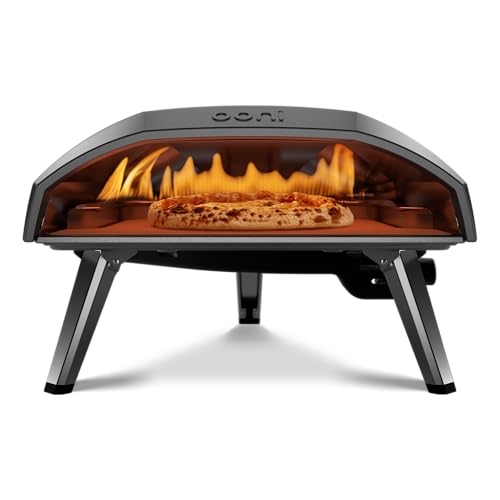
- Best overall for big pizzas: Ooni Koda 16 Gas Pizza Oven — Check on Amazon
- Best for wood-fired flavor: Ooni Karu 12 Multi-Fuel Pizza Oven — Check on Amazon
- Best build quality: Gozney Roccbox Outdoor Pizza Oven — Check on Amazon
- Best for beginners: Solo Stove Pi Prime Pizza Oven — Check on Amazon
See 2 more options
- Ooni Koda 12 Gas Pizza Oven — Check on Amazon
- BIG HORN OUTDOORS 12-Inch Wood Pellet Pizza Oven — Check on Amazon
Read the full guide ↓
Disclosure: As an Amazon Associate, dailyhomedecorating.com earns from qualifying purchases. Links to Amazon on this page are affiliate links; they cost you nothing extra. Listing details such as price and availability change often, so check the current Amazon listing before you buy.
The best outdoor pizza oven for backyards under $500 is a different purchase from the best portable oven or the best balcony oven, and it deserves its own guide. A backyard gives you the three things pizza ovens crave — space, a permanent home and freedom of fuel — so the ranking changes: size and throughput climb the list, live-fire ovens stop being a compromise and start being a centerpiece, and the question shifts from ‘what fits?’ to ‘what will anchor a decade of Friday nights?’
This guide ranks six verified ovens for backyard life specifically. The 16-inch gas flagship leads because a backyard is where its floor earns its keep; the wood-fired Karu 12 rises to second because a backyard is where its smoke and ritual belong; and the value pellet oven stays on the list because a big yard forgives its learning curve. Every pick was verified against maker specifications, screened against current CPSC recall records, and priced honestly against the budget — the near-ceiling pick is flagged as such, with instructions for what to do if its live price has wandered.
Backyard freedom still comes with backyard rules. These ovens run at temperatures that scorch grass, stain pavers and endanger fences, so placement, surface and clearance get their own section below. A permanent pizza station is a small construction project disguised as an appliance purchase, and the happiest owners are the ones who planned the station — stand, fuel store, lighting and a landing spot for finished pizzas — before the oven arrived.
In this guide
Best outdoor pizza oven for backyards under $500: the quick picks
Six ovens, six different reasons to buy one. The table is the whole guide in miniature — if you already know your fuel and your pizza size, you can shop from here and skip the rest.
| Pick | Best for | Fuel | Pizza size | Peak heat |
|---|---|---|---|---|
| Ooni Koda 16 Gas Pizza Oven | Best overall for big pizzas | Gas | 16-inch | About 950°F |
| Ooni Karu 12 Multi-Fuel Pizza Oven | Best for wood-fired flavor | Wood / charcoal, optional gas | 12-inch | About 950°F |
| Gozney Roccbox Outdoor Pizza Oven | Best build quality | Gas, optional wood burner | 12-inch | About 950°F |
| Solo Stove Pi Prime Pizza Oven | Best for beginners | Gas | 12-inch | 900°F class |
| Ooni Koda 12 Gas Pizza Oven | Best portable gas oven | Gas | 12-inch | About 932-950°F |
| BIG HORN OUTDOORS 12-Inch Wood Pellet Pizza Oven | Best value wood-fired pick | Wood pellets | 12-inch | Up to about 860°F (listing figure) |
How these picks were chosen
For this variant we re-weighted the main guide’s criteria for a fixed outdoor home. Throughput — how many pizzas an hour the oven sustains without the stone fading — mattered more than the last few pounds of portability. Stone size mattered more, because backyard cooks feed households and guests, not couples. Fuel freedom mattered most of all: with space for a wood store and no balcony rules, a live-fire oven’s flavor case had to be judged at full strength rather than discounted for inconvenience.
Verification did not change. Each oven’s size, temperature, weight and fuel claims were checked against the maker’s published specifications; listings and price positions were checked so that nothing here depends on a coupon to stay in tier; and every pick was screened against current US recall records, with any recalled model excluded outright. None of the six is under a CPSC recall we could find at research time.
We also judged the ovens as yard furniture. A backyard oven sits in view all year: covers, weather resistance, and how the oven looks on its stand between cooks all counted. The ranking below is the order we would buy them for a typical family backyard — and the text under each pick explains the yard it suits best, because the right answer for a half-acre differs from the right answer for a townhouse garden.
Safety first: fire, surfaces and clearances
Choose the oven’s home as if it were a fire pit’s: a level, non-flammable surface — pavers, concrete, or a purpose-built stand on a heat-proof base — with the clearances the manual specifies from fences, siding, play equipment, stored fuel and overhanging trees. Grass under a wood or pellet oven collects embers; a stone or gravel pad is the backyard upgrade that pays for itself the first windy night. Keep the oven out of the yard’s traffic lanes, because a 900°F appliance at elbow height and a running child are a combination to design away, not to supervise away.
Backyard fuel storage deserves the same planning as the oven. Propane tanks live outdoors, upright, away from the oven’s heat and from ignition sources. Wood and pellets live dry — a lidded deck box or a covered store — because damp fuel smokes, spits and underperforms. Ash goes into a metal container with a lid, stays there until it is cold through, and only then meets the bin. And because backyards host guests who did not read the manual, the cook owns the boundary: one person tends the fire, everyone else enjoys the show from outside the hot zone.
The ovens in detail
Ooni Koda 16 Gas Pizza Oven — Best overall for big pizzas
Key specs: 16-inch cordierite stone; propane; heats to about 950°F; L-shaped burner wraps flame along the back and one side; ready to cook in about 20 minutes; about 40.1 lb; folding legs; no assembly beyond unfolding the legs and fitting the stone.
A backyard is the Koda 16’s natural habitat, and it is not close. The 16-inch floor turns pizza night from a sequence of small pies into a production line: one large pizza feeds the table, the next is launching as the first is sliced, and the L-shaped burner keeps the big stone honest across its width. On a permanent stand with a tank tucked beneath, its folding legs and portability stop mattering and its throughput becomes the whole story. If your yard hosts birthdays, team dinners and neighbors who ‘just stop by’, this is the oven those evenings are asking for.
Koda 16 ownership in a backyard is measured in gatherings. It becomes infrastructure — the reason the patio got a better table, the appliance the summer calendar quietly organizes itself around. Its appetite for propane on long sessions is the one running cost owners mention, answered by keeping a second tank in rotation so a mid-party swap is a pause, not a drama. Stones and parts are easy to source, the community of owners is enormous, and the oven’s party trick — a 16-inch pizza, properly leopard-spotted, in about a minute — does not get old.
Who it suits: Households that bake large pizzas, feed groups, and want one oven that ends the size debate.
- A true 16-inch floor, so family-size and party-size pizzas bake without shrinking the recipe
- The L-shaped burner heats more of the stone than a single rear burner, which means fewer frantic turns
- Folds flat enough to lean against a wall or slide into a shed between sessions
Honest limitation: It sits right at the top of this budget when it is in stock at all, and Ooni has been moving buyers toward its newer 14-inch generation, so availability comes and goes. If the listing is showing a price above this guide’s ceiling, treat it as out of tier and pick the next oven down this list rather than stretching.
Choose it if: Choose it if you regularly bake 14- to 16-inch pizzas and you find it listed inside the budget.
Skip it if: Skip it if your pies are 12 inches or smaller, or if the live listing has drifted above the ceiling.
Ooni Karu 12 Multi-Fuel Pizza Oven — Best for wood-fired flavor
Key specs: 12-inch pizza on a thick 15mm cordierite stone; burns real wood or charcoal out of the box; reaches about 950°F, with the ideal baking temperature arriving in roughly 15 minutes; about 26.5 lb; 31.5 x 15.8 x 30.3 inches with the chimney fitted; an Ooni gas burner can be fitted later and is sold separately; not designed for wood pellets.
In a backyard, the Karu 12 stops apologizing. Its smoke drifts over your own fence, its fuel store is a dry corner of the shed, and its ritual — building the fire, watching the flame roll, feeding the tray — becomes the evening’s entertainment rather than a chore between other tasks. It is also the oven that grows with you: wood for the weekends you want the full ceremony, charcoal for steadier heat, and the optional gas burner, bought later, for the Tuesdays in between. For the cook who wants pizza night to be an event, this is the heart of the yard.
Karu ownership turns a corner of the backyard into a hearth. Owners build rituals: the wood split and stacked in autumn, the fire laid while the dough proofs, the first pizza always the cook’s test piece eaten standing at the oven. The oven asks for presence and returns atmosphere no gas appliance can invoice you for. Keep its chimney brushed and its fuel dry and it ages gracefully; add the gas burner in year two and most owners report the wood still wins their weekends while gas quietly takes the Tuesdays.
Who it suits: Cooks who want genuine wood-fired flavor and enjoy tending a small live fire.
- Real flame flavor that gas cannot imitate, in the lightest live-fire package here
- The fuel choice is yours night by night: wood for the ritual, charcoal for a steadier burn
- A clear upgrade path — add the gas burner later instead of replacing the oven
Honest limitation: Live fire is work. You build it, feed it and watch it, and the temperature moves with the fuel rather than holding at a dial setting. The gas burner that many owners eventually want is a separate purchase, and the oven will not run on pellets, so pellet Grill owners cannot share fuel with it.
Choose it if: Choose it if the wood-fired process is part of the pleasure and you want the lightest oven that delivers it.
Skip it if: Skip it if you want push-button weeknight pizza with no fire management at all.
Gozney Roccbox Outdoor Pizza Oven — Best build quality
Key specs: 12-inch stone floor; propane burner included, with a detachable wood burner available separately; reaches about 950°F and bakes in about 60 seconds; built-in thermometer; thick insulation with a safe-touch silicone jacket; retractable legs; about 44 lb; a professional-grade peel is included in the box.
The Roccbox suits the backyard that doubles as an outdoor room — the one with the good furniture and the string lights, where an appliance has to look and behave like it belongs. Its insulated, jacketed body is the safest-feeling oven around curious guests, its thermometer keeps a long session efficient, and its heat retention is the best here for cooking pizza after pizza without the stone fading. It will not bake the biggest pie on this list, but for households whose standard order is a run of 12-inch pizzas, it may be the most satisfying oven to actually run.
Roccbox ownership feels like buying the last 12-inch oven first. It sits on its stand with a kind of permanence, its thermometer becomes the yard’s most trusted instrument, and long sessions — the dozen-pizza family nights — are where its insulation writes the review for you. The wood burner accessory is the classic second-year purchase. If there is an ownership tax, it is the moving day reality that 44 lb of dense, hot-capable engineering does not get carried anywhere casually, by anyone, ever.
Who it suits: Buyers who value insulation, a built-in thermometer and a premium build over saving weight or money.
- The insulated body holds heat between pizzas better than thinner ovens, so back-to-back bakes stay consistent
- The silicone jacket and built-in thermometer make it the most confidence-inspiring oven here for newer cooks
- Gas out of the box, with a genuine wood option later instead of a second oven purchase
Honest limitation: It is heavy for its size. At roughly 44 lb for a 12-inch oven, it is portable in the sense that it can move, not in the sense that you will enjoy carrying it far. The wood burner is also a separate purchase, so the dual-fuel promise costs extra to unlock.
Choose it if: Choose it if build quality, heat retention and a thermometer you can read at a glance matter more than saving weight.
Skip it if: Skip it if you need 16-inch capacity, or if the oven has to travel up stairs or across a campsite every time it is used.
Solo Stove Pi Prime Pizza Oven — Best for beginners
Key specs: 12-inch cordierite stone; propane; 15,000 BTU burner; heats the stone toward the 900°F class with a maker-stated bake of about 90 seconds; front-facing temperature control dial; panoramic opening for watching the bake; 304 stainless steel construction; about 30.8 lb; maker states up to about 20 hours of cooking from a standard 20 lb propane tank.
The Pi Prime is the backyard oven for the household where the pizza cook is also the host, the parent and the person refilling drinks. Its front dial and wide viewing opening let you run the bake with half an eye while the rest of you stays in the party, and its long stated runtime per tank means the fuel rarely interrupts an evening. Stainless construction suits a life lived outdoors under a cover. It gives up the last word in char to the hotter ovens here, and trades it for the thing busy households actually run out of: attention.
Pi Prime ownership is the low-drama life. It starts when you turn a dial, it watches back at you through its wide mouth, and its stainless skin shrugs off the seasons under a cover. Hosts report the same discovery: because it demands so little attention, it gets used on ordinary evenings, and ordinary evenings are where an appliance earns back its price. Keep the stone brushed, the tank rotated, and the cover honest, and there is very little else to report — which is the report.
Who it suits: Beginners and busy hosts who want forgiving controls and a clear view of the bake.
- The wide, open front makes launching and turning less intimidating than narrow-mouth ovens
- The front dial is reachable without leaning over a hot oven body
- Stainless construction shrugs off patio weather better than painted finishes
Honest limitation: Solo Stove is honest that its bake takes about 90 seconds rather than the 60 seconds rivals quote, a side effect of that wide, convenient opening losing heat. It is a fair trade, but purists chasing the fastest Neapolitan bake should know it before they buy.
Choose it if: Choose it if you are new to pizza ovens and want forgiving controls and a clear view of the bake.
Skip it if: Skip it if the absolute fastest, hottest bake is your priority, or if you want a wood-burning option in the same body.
Ooni Koda 12 Gas Pizza Oven — Best portable gas oven
Key specs: 12-inch cordierite stone; propane only; heats to about 932-950°F and is ready in about 15-20 minutes; about 20.4 lb; folding legs; compact body roughly 24.4 x 15.5 x 11.7 inches; instant ignition with a flame safety device that cuts the gas if the flame blows out.
The Koda 12 in a backyard is the second-oven answer and the starter answer at once. As a first oven, it is the cheapest big-brand gas route to real Neapolitan heat, and its lightness means the ‘station’ can be a sturdy table that folds away for winter. As a second oven beside a grill or a smoker, it is the specialist you wheel out for pizza nights and store without resentment. Its single-burner turning routine is the only real tax, and backyard cooks — with room to work and a long peel — pay it more easily than anyone.
In a backyard, the Koda 12 is the oven that refuses to dominate. It folds away for winter without a ceremony, travels to the holiday house without a debate, and on pizza nights it simply works at the end of whatever table it is given. Owners learn to love its economy — of space, of fuel, of attention — and its one ritual, the turn, becomes a point of craft pride. It is the pick most likely to be joined later by a bigger sibling and the least likely to be sold when that happens.
Who it suits: Anyone who wants the lightest, simplest credible gas oven and bakes 12-inch pizzas.
- The lightest serious gas oven in this guide, and the easiest to carry, store and set up
- Simple one-dial control: light it, wait, bake — there is almost nothing to learn
- The flame safety device is a real reassurance in breezy spots where flames can lift
Honest limitation: It is gas only, with no wood option, and the single rear burner leaves the front of the stone cooler than the back, so you need to turn the pizza during the short bake. There is no built-in thermometer, so an infrared thermometer is close to a required accessory.
Choose it if: Choose it if you want the simplest, lightest route to proper high-heat pizza and you are happy turning the pie as it bakes.
Skip it if: Skip it if wood flavor matters to you, or if you want a built-in temperature readout.
BIG HORN OUTDOORS 12-Inch Wood Pellet Pizza Oven — Best value wood-fired pick
Key specs: 12 x 12 inch square pizza stone; burns wood pellets; the listing states temperatures up to about 860°F, readiness in about 18 minutes and bakes of about 90 seconds or less; stainless steel body; overall size about 27.1 x 14.2 x 28 inches; folding legs; optional gas and electric burner attachments are sold separately by the brand.
A big yard is the most forgiving place to learn the BIG HORN’s moods. Its pellet fire wants attention and airflow, its temperature swings want patience, and a backyard gives you both the space to manage it and the distance to let its smoke be part of the atmosphere. For the price of a family takeaway order or two, it puts genuine wood-fired pizza into a yard that would otherwise have none, and its graduates — owners who learn fire on it — tend to speak of it fondly even after upgrading. As a first step into live fire, it is honestly priced and honestly limited.
BIG HORN ownership in a backyard is the hobbyist’s apprenticeship served in public. You will master its pellet feed, forgive its temperature swings, and produce pizzas that improve so visibly across a season that the family starts requesting it. Keep ash vacuumed, pellets sealed and dry, and the chimney clear, and it will keep its side of the bargain. Many owners eventually graduate to a Karu or a Roccbox; almost none regret the tuition, because the BIG HORN taught them fire on a forgiving budget.
Who it suits: Value-first buyers who want wood-fired flavor and accept variable, hands-on temperature control.
- The lowest-cost route in this guide to genuine wood-fired flavor
- Pellets are cheap, widely sold and easy to store in a sealed tub
- The square stone and tall chimney design suit small, casual pizza nights well
Honest limitation: Temperature control is the crudest here: pellet feed and airflow decide the heat, the stone runs cooler than the flame, and results vary more from bake to bake than with any gas pick. Treat the headline temperature as a peak near the flame rather than an even stone temperature, and expect a learning curve.
Choose it if: Choose it if you want wood-fired pizza at the lowest entry cost and you enjoy learning an oven’s moods.
Skip it if: Skip it if you want repeatable, dial-set temperatures or fast weeknight bakes with no fire tending.
Side-by-side comparison
| Oven | Fuel | Size | Weight | Thermometer | Best for |
|---|---|---|---|---|---|
| Ooni Koda 16 Gas Pizza Oven | Gas | 16-inch | About 40.1 lb | No | Best overall for big pizzas |
| Ooni Karu 12 Multi-Fuel Pizza Oven | Wood / charcoal + optional gas | 12-inch | About 26.5 lb | No | Best for wood-fired flavor |
| Gozney Roccbox Outdoor Pizza Oven | Gas + optional wood | 12-inch | About 44 lb | Yes, built in | Best build quality |
| Solo Stove Pi Prime Pizza Oven | Gas | 12-inch | About 30.8 lb | No | Best for beginners |
| Ooni Koda 12 Gas Pizza Oven | Gas | 12-inch | About 20.4 lb | No | Best portable gas oven |
| BIG HORN OUTDOORS 12-Inch Wood Pellet Pizza Oven | Wood pellets | 12-inch | Light, folding-leg class | No | Best value wood-fired pick |
Read the table as a map of trade-offs rather than a league table. The heaviest oven here is heavy because of insulation you can feel in every bake; the lightest earns its weight with a simpler burner and a thinner stone routine. Price positions move constantly, so use the Amazon links to check the current price on Amazon for the two or three ovens your fuel and size answers leave standing.
What this budget really buys
Backyard budgets have a way of quietly expanding, because the oven is never the whole project: there is the stand, the pad, the cover, the fuel store, the lighting for evening bakes. Read this tier as the oven’s share of a station budget, and the ranking makes even more sense — the picks in the middle leave station money intact, while the near-ceiling flagship asks you to fund the station separately. Neither is wrong; they are different projects wearing the same price tag, and choosing consciously between them is the whole skill.
The second backyard truth is that time reprices everything. A cheap oven used hard for two seasons and replaced costs more per pizza than a mid-priced oven used for eight — and backyards, unlike balconies, give ovens the years to prove it. Insulation, stainless where it counts, replaceable stones and makers who answer the phone are the specifications that compound. This is why the value pick here is framed as an apprenticeship rather than a destination: its economics work when it is a first step, not when it is asked to be a decade.
And leave a deliberate remainder. The households that love their setups in year three are the ones whose budget had a ‘later’ line: the gas burner for the Karu, the wood burner for the Roccbox, the second peel, the better cover, the prep table that finally ends the balancing act. A budget spent to the last dollar on day one has no way to say yes to the hobby’s second chapter, and pizza ovens, given a backyard, reliably write one.
One pattern in the table is worth naming: every oven here is a specialist wearing a generalist’s clothes. The specifications that look like weaknesses in a row — a lower peak temperature, a heavier body, a fuel you must tend — are the shadows of the strengths in the same row, and the right question is never which oven wins the table but which row’s compromises you will enjoy living inside. Shortlist by fuel and size, confirm by the limitation you mind least, and the table has done its job.
Setup, first burn and your first bake
Build day in a backyard should end with the station complete, not just the oven unboxed: stand leveled on its pad, oven seated and checked for rock, stone inspected for transit damage and fitted, and the landing table placed where the peel naturally swings. Gas ovens get the full connection ritual — regulator on, tank valve opened slowly, every joint brushed with soapy water and watched for bubbles. Wood and pellet ovens get a fuel store established the same day: dry, lidded, off the ground, close enough to feed the fire without crossing the yard mid-bake.
The empty first burn is where a backyard oven introduces itself. Run it up in stages, walk around it, and learn its geography while nothing is at stake: where the exhaust drifts on a still evening, which side radiates the most heat, how the flame sounds when it is happy. This is also the moment to confirm your clearances with reality rather than the tape measure — stand where a guest would stand, where the dog sleeps, where the kids cut the corner, and adjust the station now if the heat reaches any of them.
For the first family bake, give the stone its full saturation time and verify it — built-in thermometer, infrared reading, or the flour test of experience to come — then bake a plain cheese pizza first and treat it as data. Backyard ovens are keepers, and the notebook habit pays compound interest: fuel load, preheat minutes, stone reading, bake time, result. Three sessions of notes will teach you more about your specific oven, in your specific yard’s wind and weather, than any review ever written — including this one.
How to choose the right oven for your space
Design the station, not just the purchase
Pick the oven’s permanent spot first: level, non-flammable, clear of fences and overhangs, close enough to the house that carrying dough in the rain is tolerable, far enough that smoke clears the seating. Then build around it — a stand at a comfortable working height, a landing surface for peels and finished pizzas, lighting for evening bakes, and dry fuel storage within reach. The station is what turns an appliance into a habit.
Size for your biggest regular night
Count the mouths on your biggest ordinary pizza night, not a once-a-year party. A 16-inch oven bakes fewer, larger pizzas; a 12-inch oven bakes more, smaller ones and keeps variety high — three different 12-inch pies often please a crowd more than one giant. Either rhythm works; choose the one your household actually eats.
Use the yard’s fuel freedom deliberately
Backyards unlock the full menu: gas for volume and weeknights, wood for ceremony, pellets for economy. Some households in this guide’s budget can even pair a value wood oven with a gas pick over time. Decide which single fuel story you want first, and let the oven’s upgrade path — a later gas burner, for instance — stay open rather than buying everything at once.
Think in seasons
A backyard oven lives through weather. A fitted cover, a stone stored dry, and a burner checked each spring are the whole maintenance religion. In cold months every oven here preheats longer and eats more fuel; in windy months, position and windbreaks matter more than peak temperature. Buy the cover with the oven, not after the first storm.
Leave room to grow
Pizza stations accrete: a prep table, a dough box, a small fridge for toppings, a second peel. Leave a margin of space and budget for the hobby to expand, and resist paving the oven into a corner it cannot be serviced from. The best backyard setups in five years are the ones that were never quite finished.
Care, cleaning and storage
Backyard care is seasonal rhythm. In the cooking season: brush the stone and body when cold, keep the cover on between sessions, empty ash into the metal container, and glance at the gas hose monthly. At the season’s turn: deep-clean per the manual, check for rust starting at seams and fasteners, confirm the igniter still snaps eagerly, and store the stone dry — indoors if your winters are wet and freezing, because a damp stone and a hard frost are enemies.
Wildlife and weather are the backyard oven’s two slow adversaries. Insects nest in burner tubes and vents left open all winter; a cover and a spring inspection defeat them. Covers themselves need replacing when they crack, because a torn cover funnels water exactly where you least want it. And keep the area under and around the station swept: last autumn’s leaves against a hot oven base is a sentence that should never need finishing.
Common mistakes to avoid
Setting the oven on the deck or the grass. Deck boards scorch, grass dies and collects embers, and a wobbling oven at 900°F is a hazard with a view. A proper pad or stand is the first purchase, not an accessory.
Siting for the photo instead of the wind. The prettiest corner of the yard is often the windiest, and wind steals heat, bends flames and carries embers. Bake a season in a sheltered spot before you commit to permanent placement.
Feeding a crowd with an untested oven. The first bake is always the worst bake. Run two or three family nights before the birthday party, learn your stone’s hot spots, and let the guests meet the oven after you do.
Letting the fuel store become a junk pile. Wet pellets, damp wood and a tank of unknown age produce smoky, weak fires and disappointing pizzas. Dry, rotated fuel is a cooking ingredient; store it like one.
Forgetting the neighbors exist. Even in a backyard, smoke and late-night sessions have an audience. A word over the fence — or an invitation — keeps pizza night popular on the whole street.
Final recommendation
For the typical family backyard, the Ooni Koda 16 is the buy: its floor and burner are built for exactly the cooking a backyard exists for, provided its live listing sits inside the budget when you order. Close behind, and ahead for a certain kind of cook, the Ooni Karu 12 turns pizza night into the week’s best ritual, with a gas upgrade waiting whenever convenience calls.
The Gozney Roccbox remains the connoisseur’s 12-inch choice, the Solo Stove Pi Prime the busy host’s, and the Koda 12 and BIG HORN the two honest ways to start for less. Build the station first, respect the fire rules, and a backyard at this budget stops ordering pizza in — which is, after all, the point.
Whichever oven you choose, buy it from the maker or an authorized seller, keep the manual’s clearances as law, register the product the week it arrives, and give yourself three honest practice bakes before judging it. Pizza ovens reward patience at every stage — in the preheat, in the learning, and in the purchase itself.
Narrowing the shortlist
Narrow the backyard list by picturing your tenth pizza night, not your first. On the tenth night, will you want the big gas oven’s rhythm, already warm when the dough is ready — or the wood oven’s ceremony, the fire laid while the yard fills with the smell of the evening starting? Both answers are honorable; they simply buy different ovens. Let the tenth night decide, because the first night flatters every oven ever made.
Then check the yard itself for a veto: the station’s spot, the fuel store, the wind. A sheltered corner favors any pick; an exposed, breezy plot quietly taxes live fire and rewards gas and insulation. If the yard vetoes your heart’s choice, believe the yard. Backyards are patient places, and an oven matched to yours will still be making pizza when the third cover wears out.
A year of pizza nights: the seasonal picture
A backyard oven’s first spring is a honeymoon: everything is new, the stone is pale and every Friday feels like an event. Protect the honeymoon from its one enemy — weather complacency — by establishing the cover habit before the first storm rather than after it. Summer turns the station into the yard’s social center, and the wise owner plans shade for the cook and a cold drink station within arm’s reach, because the person at the oven is working in front of a furnace in July.
Autumn is when backyard pizza becomes a tradition instead of a novelty — the light goes golden, the wood store gets its purpose, and the oven’s warmth gathers people the way a fire pit does. Winter asks the honest question every backyard appliance eventually faces: covered and ready, or stored and forgotten until April? Either answer works if it is deliberate. What fails is the third option — uncovered, unstored, quietly weathering — which is how good ovens become spring repair projects.
Frequently asked questions
What size pizza oven is best for a backyard?
For most families, 16 inches if you regularly feed four or more people or love large pizzas, 12 inches if your nights are smaller and variety matters more. Backyards can host either comfortably, so let your headcount decide rather than the space.
Can I leave a pizza oven outside all year?
Yes, with a fitted cover, a dry stone and sensible storage — but ‘can’ improves with care. Bring the stone indoors in harsh winters if the maker advises it, check burners and hoses each spring, and never cover an oven that is still warm or damp.
Where in the backyard should a pizza oven go?
On a level, non-flammable surface with the manual’s clearances from fences, siding, trees and play areas, sheltered from prevailing wind, and close enough to the kitchen that dough runs stay short. A paver or concrete pad is the classic foundation.
Is a wood-fired oven worth it in a backyard?
If you will enjoy tending it, yes — a backyard is where live fire’s flavor and ceremony make sense, and smoke has room to clear. If your pizza nights are weeknight logistics, gas will be used three times as often, and a used oven beats a perfect one.
How many pizzas can these ovens make in an hour?
Each bake takes one to three minutes depending on the oven and style, so the real limit is stone recovery and your launching rhythm. Insulated and larger ovens sustain back-to-back baking best; in practice, a settled cook with any pick here outruns a family’s appetite.
Do I need planning permission or a permit for a backyard pizza oven?
Portable ovens on stands are generally treated like grills, but local rules, HOA covenants and fire-season restrictions vary. Check your HOA documents and observe any local burn bans before a wood-fired session, especially in dry or high-fire-risk areas.
Can a pizza oven share a patio with a grill and a fire pit?
Yes, and many backyards run all three — but not shoulder to shoulder. Each appliance needs its own clearances and its own working space, and only one fire should be live under one cook’s attention at a time. Lay the yard out as stations, and let guests circulate between them rather than clustering inside any appliance’s hot zone.
What foundation does a backyard pizza oven need?
A level, non-flammable, load-bearing surface: a concrete or paver pad is the standard answer, sized for the stand plus a working margin. Avoid decking directly under wood and pellet ovens unless the setup is specifically designed and protected for it, and never set any of these ovens on grass or mulch.
Related guides
More outdoor guides from this site, chosen to sit alongside a pizza oven purchase:


