Where to buy
Check the latest price, availability and delivery on Amazon. Orders are placed on Amazon. We may earn a commission from qualifying purchases.
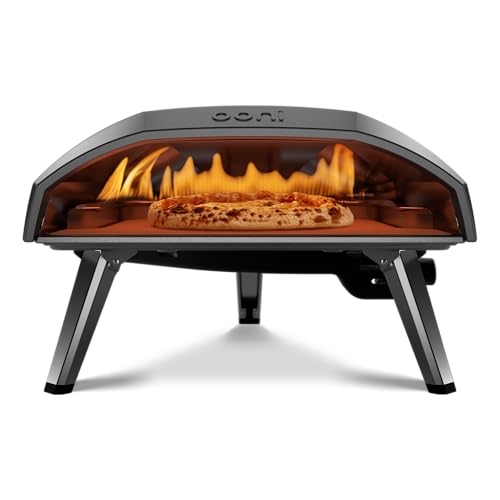
- Best overall for big pizzas: Ooni Koda 16 Gas Pizza Oven — Check on Amazon
- Best build quality: Gozney Roccbox Outdoor Pizza Oven — Check on Amazon
- Best portable gas oven: Ooni Koda 12 Gas Pizza Oven — Check on Amazon
- Best for beginners: Solo Stove Pi Prime Pizza Oven — Check on Amazon
See 2 more options
- Ooni Karu 12 Multi-Fuel Pizza Oven — Check on Amazon
- BIG HORN OUTDOORS 12-Inch Wood Pellet Pizza Oven — Check on Amazon
Read the full guide ↓
Disclosure: As an Amazon Associate, dailyhomedecorating.com earns from qualifying purchases. Links to Amazon on this page are affiliate links; they cost you nothing extra. Listing details such as price and availability change often, so check the current Amazon listing before you buy.
Finding the best outdoor pizza oven under $500 used to mean choosing between a toy and a compromise. It does not anymore. At this budget you can buy ovens that reach the 950°F class, bake a Neapolitan-style pizza in about a minute, and come from the makers who defined the category — provided you spend the money on the right things: stone size, fuel type, insulation and honest temperature control, rather than on bundle filler and inflated list prices.
This guide compares six ovens that genuinely belong in the tier. Two of them sit near the ceiling and earn their place there; the rest leave money in your pocket for a peel, a cover, propane and the infrared thermometer that every oven in this class quietly assumes you own. We verified every model below against maker specifications and live listings, checked each one against current US safety recall records, and weeded out the ovens whose prices only dip under the ceiling during a sale event — where a pick is close to the line, we say so plainly and tell you what to do if the live price has moved.
One warning before the picks: a pizza oven is a fire appliance. Every oven here is for outdoor use only, on a stable, heat-resistant surface, at a safe distance from anything that can burn. That rule shapes where these ovens can live, and it is why this guide spends as much time on placement and fuel as on crust. Read the safety section before you fall for a footprint — the best oven in this guide is the one your space can actually host safely.
In this guide
Best outdoor pizza oven under $500: the quick picks
Six ovens, six different reasons to buy one. The table is the whole guide in miniature — if you already know your fuel and your pizza size, you can shop from here and skip the rest.
| Pick | Best for | Fuel | Pizza size | Peak heat |
|---|---|---|---|---|
| Ooni Koda 16 Gas Pizza Oven | Best overall for big pizzas | Gas | 16-inch | About 950°F |
| Gozney Roccbox Outdoor Pizza Oven | Best build quality | Gas, optional wood burner | 12-inch | About 950°F |
| Ooni Koda 12 Gas Pizza Oven | Best portable gas oven | Gas | 12-inch | About 932-950°F |
| Solo Stove Pi Prime Pizza Oven | Best for beginners | Gas | 12-inch | 900°F class |
| Ooni Karu 12 Multi-Fuel Pizza Oven | Best for wood-fired flavor | Wood / charcoal, optional gas | 12-inch | About 950°F |
| BIG HORN OUTDOORS 12-Inch Wood Pellet Pizza Oven | Best value wood-fired pick | Wood pellets | 12-inch | Up to about 860°F (listing figure) |
How these picks were chosen
We started from the ovens a buyer at this budget actually cross-shops — the gas flagships from Ooni and Gozney, Solo Stove’s beginner-friendly entry, Ooni’s multi-fuel Karu line, Ninja’s electric alternative and the pellet ovens that undercut everything on price — then verified each candidate’s stone size, peak temperature, weight and fuel claims against the maker’s own published specifications, not marketplace copy. Any oven whose only route under the ceiling was a temporary coupon was flagged rather than quietly included.
Recall screening came next. We checked current US Consumer Product Safety Commission records for pizza ovens and for every brand shortlisted here. The category does have recall history — combination grill-and-pizza-oven products have been recalled in the past two years — so any model under an active recall was excluded entirely, not reviewed with a warning. None of the six ovens below is under a CPSC recall we could find at research time; even so, register whichever oven you buy, because registration is how a maker reaches you if that ever changes.
Finally, we ranked for the way people actually cook. Peak temperature matters less than stone recovery between pizzas, a burner layout that does not demand constant turning, and a weight you will honestly move. Price position matters too: an oven near the ceiling has to justify itself against two cheaper ovens plus accessories, and in this guide the two near-ceiling picks do — but the middle of the list is where most readers should land.
Safety first: fire, surfaces and clearances
Set the oven on a sturdy, level, non-flammable surface — a metal or stone-topped outdoor table rated for the oven’s weight, never a plastic folding table, a wooden deck board directly under a pellet oven’s ember zone, or a glass patio table. Keep the oven and its chimney or exhaust clear of walls, fences, eaves, umbrellas and overhanging branches, following the clearances in the manual for the model you choose, and never run any fuel-burning oven indoors, in a garage, or under a covered structure where carbon monoxide can collect.
Propane connections deserve a slow minute: check hoses and seals before the first bake of the season, keep the tank upright and outdoors, and turn the tank valve off when the oven is cool and stored. With wood, charcoal or pellets, assume sparks and embers — keep a clear zone around the oven, never leave a live fire unattended, let ash cool completely in a metal container before disposal, and keep children and pets behind the same boundary you would use for a fire pit. Heat-resistant gloves and a long peel are not accessories in this category; they are how you keep the bake and your hands separate.
The ovens in detail
Ooni Koda 16 Gas Pizza Oven — Best overall for big pizzas
Key specs: 16-inch cordierite stone; propane; heats to about 950°F; L-shaped burner wraps flame along the back and one side; ready to cook in about 20 minutes; about 40.1 lb; folding legs; no assembly beyond unfolding the legs and fitting the stone.
In a general guide, the Koda 16 is the benchmark because it removes the most common regret in this category: buying a 12-inch oven and outgrowing it. Sixteen inches sounds like a small upgrade until the first time you bake for six people, launch a pizza slightly off-center, or want to roast a pan of vegetables after the pizzas. The extra floor is working space, not just diameter, and the L-shaped burner uses it properly by wrapping flame along two edges of the stone. If your budget only stretches to one oven and your household bakes big, this is the one the rest of the list is measured against.
Ownership of the Koda 16 settles into a rhythm quickly: it lives on its stand, the tank check becomes a Friday habit, and the big stone’s one quirk — a cooler front-left zone you learn to rotate around — becomes muscle memory within a month. Parts and community knowledge are deep for this oven, which matters at year three when a stone cracks or an igniter tires. The one ownership cost to plan for is propane appetite: a 16-inch oven run hot for a crowd drinks noticeably more than its 12-inch siblings.
Who it suits: Households that bake large pizzas, feed groups, and want one oven that ends the size debate.
- A true 16-inch floor, so family-size and party-size pizzas bake without shrinking the recipe
- The L-shaped burner heats more of the stone than a single rear burner, which means fewer frantic turns
- Folds flat enough to lean against a wall or slide into a shed between sessions
Honest limitation: It sits right at the top of this budget when it is in stock at all, and Ooni has been moving buyers toward its newer 14-inch generation, so availability comes and goes. If the listing is showing a price above this guide’s ceiling, treat it as out of tier and pick the next oven down this list rather than stretching.
Choose it if: Choose it if you regularly bake 14- to 16-inch pizzas and you find it listed inside the budget.
Skip it if: Skip it if your pies are 12 inches or smaller, or if the live listing has drifted above the ceiling.
Gozney Roccbox Outdoor Pizza Oven — Best build quality
Key specs: 12-inch stone floor; propane burner included, with a detachable wood burner available separately; reaches about 950°F and bakes in about 60 seconds; built-in thermometer; thick insulation with a safe-touch silicone jacket; retractable legs; about 44 lb; a professional-grade peel is included in the box.
The Roccbox is the oven for buyers who read build quality as a feature. Its insulation is the real specification: the stone stays hot between pizzas, the body stays touchable, and the built-in thermometer removes the guesswork that makes first bakes stressful. In a mixed shortlist it plays the role of the considered purchase — not the biggest, not the cheapest, but the one whose owners tend to stop shopping. If you have ever bought the lighter version of something and replaced it within a year, the Roccbox is written for you.
Living with the Roccbox feels closer to owning a serious grill than a gadget. The thermometer becomes your dashboard, the jacket means you stop warning guests away from it, and the burner removes for cleaning with a logic that suggests the designers actually did it themselves. Its weight shapes your habits — it gets a home and keeps it — and the optional wood burner, when it eventually arrives as a birthday present to yourself, genuinely does feel like a second oven unlocking inside the first.
Who it suits: Buyers who value insulation, a built-in thermometer and a premium build over saving weight or money.
- The insulated body holds heat between pizzas better than thinner ovens, so back-to-back bakes stay consistent
- The silicone jacket and built-in thermometer make it the most confidence-inspiring oven here for newer cooks
- Gas out of the box, with a genuine wood option later instead of a second oven purchase
Honest limitation: It is heavy for its size. At roughly 44 lb for a 12-inch oven, it is portable in the sense that it can move, not in the sense that you will enjoy carrying it far. The wood burner is also a separate purchase, so the dual-fuel promise costs extra to unlock.
Choose it if: Choose it if build quality, heat retention and a thermometer you can read at a glance matter more than saving weight.
Skip it if: Skip it if you need 16-inch capacity, or if the oven has to travel up stairs or across a campsite every time it is used.
Ooni Koda 12 Gas Pizza Oven — Best portable gas oven
Key specs: 12-inch cordierite stone; propane only; heats to about 932-950°F and is ready in about 15-20 minutes; about 20.4 lb; folding legs; compact body roughly 24.4 x 15.5 x 11.7 inches; instant ignition with a flame safety device that cuts the gas if the flame blows out.
Every general guide needs the oven it would hand to a friend with no further explanation, and that is the Koda 12. It is the lightest gas oven here, the fastest to set up, and the one with the shortest distance between unboxing and a good pizza. What it gives up — a thermometer, a wood option, an even stone — matters to enthusiasts; what it keeps — real 950°F-class heat in a body one person carries easily — matters to everyone. For most households baking 12-inch pizzas, this is the sensible center of the whole category.
The Koda 12’s ownership story is mostly about absence: no assembly saga, no storage Tetris, no accessory ecosystem to feed. It asks for a thermometer, a cover and a tank, and returns years of uneventful service. Owners learn its two rituals — the patient preheat and the attentive turn — and otherwise forget it exists between Fridays, which is precisely the compliment a tool earns. When it travels, to a campsite or a friend’s garden, it reminds you why the light oven in a range outsells the flagship.
Who it suits: Anyone who wants the lightest, simplest credible gas oven and bakes 12-inch pizzas.
- The lightest serious gas oven in this guide, and the easiest to carry, store and set up
- Simple one-dial control: light it, wait, bake — there is almost nothing to learn
- The flame safety device is a real reassurance in breezy spots where flames can lift
Honest limitation: It is gas only, with no wood option, and the single rear burner leaves the front of the stone cooler than the back, so you need to turn the pizza during the short bake. There is no built-in thermometer, so an infrared thermometer is close to a required accessory.
Choose it if: Choose it if you want the simplest, lightest route to proper high-heat pizza and you are happy turning the pie as it bakes.
Skip it if: Skip it if wood flavor matters to you, or if you want a built-in temperature readout.
Solo Stove Pi Prime Pizza Oven — Best for beginners
Key specs: 12-inch cordierite stone; propane; 15,000 BTU burner; heats the stone toward the 900°F class with a maker-stated bake of about 90 seconds; front-facing temperature control dial; panoramic opening for watching the bake; 304 stainless steel construction; about 30.8 lb; maker states up to about 20 hours of cooking from a standard 20 lb propane tank.
The Pi Prime earns its place by being the oven a nervous beginner will actually use weekly. Gas ovens can feel like small furnaces; the Pi Prime’s wide opening and front dial make it feel like an appliance. That friendliness is not a gimmick — the biggest reason home pizza ovens gather dust is a miserable first three bakes, and this design attacks exactly that problem. Put it in the middle of your shortlist if the cook in your house is enthusiastic but new, and let its stainless build and long tank runtime handle the practical side.
Pi Prime ownership is defined by how little friction surrounds the bake. The front dial becomes a one-handed habit, the wide mouth makes you braver about launching, and the stainless body wipes down without ceremony. Solo Stove’s stated long runtime per tank proves out in the only way that matters — you stop thinking about fuel mid-season. The trade you accepted at purchase stays visible: bakes run a touch longer than the hottest rivals, and in exchange your Tuesday pizza habit actually survives your schedule.
Who it suits: Beginners and busy hosts who want forgiving controls and a clear view of the bake.
- The wide, open front makes launching and turning less intimidating than narrow-mouth ovens
- The front dial is reachable without leaning over a hot oven body
- Stainless construction shrugs off patio weather better than painted finishes
Honest limitation: Solo Stove is honest that its bake takes about 90 seconds rather than the 60 seconds rivals quote, a side effect of that wide, convenient opening losing heat. It is a fair trade, but purists chasing the fastest Neapolitan bake should know it before they buy.
Choose it if: Choose it if you are new to pizza ovens and want forgiving controls and a clear view of the bake.
Skip it if: Skip it if the absolute fastest, hottest bake is your priority, or if you want a wood-burning option in the same body.
Ooni Karu 12 Multi-Fuel Pizza Oven — Best for wood-fired flavor
Key specs: 12-inch pizza on a thick 15mm cordierite stone; burns real wood or charcoal out of the box; reaches about 950°F, with the ideal baking temperature arriving in roughly 15 minutes; about 26.5 lb; 31.5 x 15.8 x 30.3 inches with the chimney fitted; an Ooni gas burner can be fitted later and is sold separately; not designed for wood pellets.
The Karu 12 is the flavor pick, and in a general guide it exists to make one honest point: if the words wood-fired are why you are shopping, no gas oven will scratch that itch, however good it is. The Karu’s smoke, its live flame licking across the top of the pie, and its small ritual of fire-building are the product. It is also the lightest way to get them. Choose it knowingly — as a hobby you will enjoy tending — and it may be the most satisfying oven here. Choose it by accident, wanting convenience, and it will be the least used.
Karu ownership is a small education in fire. Your first month produces a personal fuel doctrine — which wood, how split, when to feed — and your pizzas improve in step with the doctrine, which owners consistently describe as the pleasure of the thing. Keep the chimney and flue brushed, keep fuel dry and off the ground, and the oven stays eager. The gas burner, if it joins later, does not end the education; it just gives the graduate a weeknight shortcut.
Who it suits: Cooks who want genuine wood-fired flavor and enjoy tending a small live fire.
- Real flame flavor that gas cannot imitate, in the lightest live-fire package here
- The fuel choice is yours night by night: wood for the ritual, charcoal for a steadier burn
- A clear upgrade path — add the gas burner later instead of replacing the oven
Honest limitation: Live fire is work. You build it, feed it and watch it, and the temperature moves with the fuel rather than holding at a dial setting. The gas burner that many owners eventually want is a separate purchase, and the oven will not run on pellets, so pellet Grill owners cannot share fuel with it.
Choose it if: Choose it if the wood-fired process is part of the pleasure and you want the lightest oven that delivers it.
Skip it if: Skip it if you want push-button weeknight pizza with no fire management at all.
BIG HORN OUTDOORS 12-Inch Wood Pellet Pizza Oven — Best value wood-fired pick
Key specs: 12 x 12 inch square pizza stone; burns wood pellets; the listing states temperatures up to about 860°F, readiness in about 18 minutes and bakes of about 90 seconds or less; stainless steel body; overall size about 27.1 x 14.2 x 28 inches; folding legs; optional gas and electric burner attachments are sold separately by the brand.
The BIG HORN is the reality check at the bottom of the list: wood-fired pizza does not have to cost flagship money. Its pellet fire delivers genuine smoke flavor and a very good pizza for a fraction of the Karu’s price, and for occasional pizza nights — a few weekends each summer — that math is hard to argue with. The compromises are control and consistency, and they are real, but they are the right compromises for a buyer who would rather spend the savings on ingredients and learn the oven slowly.
BIG HORN ownership is apprenticeship living: you will learn its pellet feed rate, its windy-day personality and the exact moment its stone is ready, and the learning is visible on the crusts. Keep pellets bone-dry in a sealed tub, vacuum ash from the burn area regularly, and treat the chimney cap as part of the setup rather than packaging. Owners who wanted a cheap ticket into wood-fired cooking generally feel it honored the deal; owners who wanted automation sell it within a season, which is a matching problem, not a defect.
Who it suits: Value-first buyers who want wood-fired flavor and accept variable, hands-on temperature control.
- The lowest-cost route in this guide to genuine wood-fired flavor
- Pellets are cheap, widely sold and easy to store in a sealed tub
- The square stone and tall chimney design suit small, casual pizza nights well
Honest limitation: Temperature control is the crudest here: pellet feed and airflow decide the heat, the stone runs cooler than the flame, and results vary more from bake to bake than with any gas pick. Treat the headline temperature as a peak near the flame rather than an even stone temperature, and expect a learning curve.
Choose it if: Choose it if you want wood-fired pizza at the lowest entry cost and you enjoy learning an oven’s moods.
Skip it if: Skip it if you want repeatable, dial-set temperatures or fast weeknight bakes with no fire tending.
Side-by-side comparison
| Oven | Fuel | Size | Weight | Thermometer | Best for |
|---|---|---|---|---|---|
| Ooni Koda 16 Gas Pizza Oven | Gas | 16-inch | About 40.1 lb | No | Best overall for big pizzas |
| Gozney Roccbox Outdoor Pizza Oven | Gas + optional wood | 12-inch | About 44 lb | Yes, built in | Best build quality |
| Ooni Koda 12 Gas Pizza Oven | Gas | 12-inch | About 20.4 lb | No | Best portable gas oven |
| Solo Stove Pi Prime Pizza Oven | Gas | 12-inch | About 30.8 lb | No | Best for beginners |
| Ooni Karu 12 Multi-Fuel Pizza Oven | Wood / charcoal + optional gas | 12-inch | About 26.5 lb | No | Best for wood-fired flavor |
| BIG HORN OUTDOORS 12-Inch Wood Pellet Pizza Oven | Wood pellets | 12-inch | Light, folding-leg class | No | Best value wood-fired pick |
Read the table as a map of trade-offs rather than a league table. The heaviest oven here is heavy because of insulation you can feel in every bake; the lightest earns its weight with a simpler burner and a thinner stone routine. Price positions move constantly, so use the Amazon links to check the current price on Amazon for the two or three ovens your fuel and size answers leave standing.
What this budget really buys
At this ceiling, the money buys three different philosophies, and understanding them prevents the classic mistake of comparing ovens by price alone. The first philosophy is size: the near-ceiling gas flagship spends your budget on floor area and burner coverage, giving you the 16-inch format that defines the top of the home market. The second is substance: the insulated mid-list ovens spend it on materials, thermometers and heat retention — less visible in a photograph, more visible in the fifth consecutive pizza. The third is honesty at the low end: the value picks spend almost nothing on anything except the fire itself, and their prices are what a pizza oven costs when every dollar is argued with.
The tier also has a trap, and it is the bundle. Marketplace listings love to wrap a mid-priced oven in accessories of doubtful quality and price the parcel like a flagship. A peel you will replace, a cover that cracks by spring and a thermometer of decorative accuracy do not become worth flagship money by sharing a box. Price the oven alone, from the maker or a listing you can verify, and buy your accessories separately and deliberately — the total is usually lower and every component is better.
Finally, hold the tier’s total cost of ownership in view. Propane is the quiet subscription of gas ovens; pellets and wood are cheap but demand dry storage; a replacement stone years from now is a real line item for the ovens you will use hardest. None of this changes the ranking, but it explains why the middle of this list is so heavily recommended: those ovens leave budget behind for the kit, the fuel and the years, which is where ownership is actually lived.
One pattern in the table is worth naming: every oven here is a specialist wearing a generalist’s clothes. The specifications that look like weaknesses in a row — a lower peak temperature, a heavier body, a fuel you must tend — are the shadows of the strengths in the same row, and the right question is never which oven wins the table but which row’s compromises you will enjoy living inside. Shortlist by fuel and size, confirm by the limitation you mind least, and the table has done its job.
Setup, first burn and your first bake
Unbox onto the surface the oven will actually use, not the kitchen floor. Check the stone for transit cracks before anything else — a hairline crack in a cordierite stone is a warranty conversation now or a broken bake later. Fit the stone, unfold or attach the legs, and if the oven is gas, connect the regulator to the tank with the tank valve closed, then open it slowly and listen and smell for leaks at every joint. A brush of soapy water over the connections, watched for bubbles, is the old, correct test.
The first burn is a seasoning ritual, not a pizza session. Run the oven empty at a moderate heat, then up toward full temperature, and let it cool — this burns off manufacturing oils and teaches you the oven’s sounds, smells and gauge behavior without an audience. Wood and pellet ovens: build a small first fire and learn how the fuel tray or hopper feeds before you ever promise anyone dinner. Note how long your oven honestly takes to saturate its stone; that number, not the brochure’s, is your preheat from now on.
For the first real bake, keep the variables boring: one dough recipe, one sauce, a modest amount of cheese, and a stone verified hot — by the built-in thermometer where fitted, or an infrared reading across several spots on the stone. Launch decisively, resist touching the pizza for the first half minute, then turn in small increments. Expect the first pizza to be the tuition and the third to be the proof. Write down what the stone read and how long the bake took; pizza ovens reward cooks who keep a tiny notebook far more than cooks who buy a second accessory.
How to choose the right oven for your space
Start with fuel, because fuel decides everything else
Gas is the convenience fuel: instant ignition, a dial instead of a fire, and a clean shutdown. Wood and charcoal are the flavor fuels: more work, more smoke, more soul. Pellets sit between them — real wood flavor with a hopper to manage rather than a fire to build. Electric removes flame entirely, which some homes require, at the cost of peak heat. There is no wrong answer, but there is a wrong match: decide how you want to spend the twenty minutes before dinner, because that is what fuel choice really is.
Match stone size to your real pizza, not your ambition
Twelve inches covers most home baking: standard dough balls, most recipes, most appetites. Sixteen inches matters if you bake for crowds, buy large ready-made bases, or want one pizza to feed the table at once. Remember that a bigger stone needs a bigger, heavier oven and more table — measure the surface the oven will live on before the larger floor talks you into it.
Read temperature claims like an engineer
A headline figure near 950°F describes the oven’s peak, not the temperature of every inch of stone. What cooks your pizza is a saturated stone, which is why preheat time and recovery between bakes matter more than the peak number. A built-in thermometer or an infrared gun turns guessing into knowing; budget for the infrared thermometer if your oven lacks a readout, because every oven in this guide performs better when you launch by temperature instead of by timer.
Weight and storage are weekly features
An oven you must haul from a garage, assemble and level each time will be used monthly. An oven that lives on its table under a cover will be used weekly. Weigh the oven, then weigh your own patience: folding legs, a carry cover and a footprint that fits your storage corner are not conveniences, they are the difference between a hobby and a storage problem.
Budget past the oven
The oven is most of the money, not all of it. A launching peel, a turning peel, heat-resistant gloves, a cover and an infrared thermometer form the honest starter kit; gas ovens add a propane tank if you do not own one, and wood ovens add a dry fuel store. The picks in the middle of this guide leave room for the full kit inside the same overall budget, which is one reason they are so easy to recommend.
Care, cleaning and storage
Care in this category is mostly about dryness and gentleness. The stone is never washed with soap and never soaked; a hot burn-off, a brush once cool, and acceptance that staining is cosmetic will keep it baking for years. Brush ash and debris from the oven body when cold, empty pellet hoppers before long storage so fuel does not absorb moisture and swell, and check gas hoses and connections at the start of each season for cracking or insect nests — spiders in burner tubes are a classic cause of a weak, yellow flame.
Storage is the other half of ownership. A fitted cover over a cool, dry oven on its stand is the everyday answer; a garage or shed corner is the winter answer for lighter models. Stones store best dry and flat, ideally indoors in harsh climates. Before the first spring bake, run the oven empty and hot for a full cycle: it confirms the burner, dries the stone, and reminds you of your preheat timing before the season’s first guests are standing around with opinions.
Common mistakes to avoid
Buying the ceiling instead of the fit. Spending the entire budget on the oven leaves nothing for the peel, thermometer and cover that make the oven usable, and a mid-priced oven with the full kit out-cooks a flagship without them every single week.
Trusting the peak temperature number. Launching onto an under-soaked stone because the air temperature looked right produces the classic pale, soggy base. Give any oven its full preheat, and verify the stone, not the dial, when you can.
Putting the oven where it fits instead of where it is safe. A pizza oven radiates serious heat and vents flame and exhaust from its mouth and chimney. Crowding it against a wall, under an umbrella or beside stored fuel is the most dangerous mistake in the category — clearances in the manual are minimums, not suggestions.
Forgetting that wood flavor means fire work. Every season, buyers return live-fire ovens because they wanted gas convenience with wood flavor. Both are legitimate; confusing them is expensive. Be honest about which cook you are before the box arrives.
Skipping the cover and the registration. These ovens live outdoors, and water in a stone or rust in a burner shortens their lives quietly. A cover costs little, and registering the product is the only reliable way to hear about a safety recall if one is ever issued.
Final recommendation
For most readers, the decision resolves into three honest answers. If you bake big and bake often, the Ooni Koda 16 is the oven to buy when its listing sits inside the budget — nothing else here matches its floor and burner at the price. If you want the best-built 12-inch oven and a thermometer that keeps early bakes calm, the Gozney Roccbox is the considered choice. And if you want the lightest, simplest path to real high-heat pizza, the Ooni Koda 12 remains the recommendation we would give a friend.
The rest of the list is not filler. The Solo Stove Pi Prime is the beginner’s oven, the Ooni Karu 12 is the flavor oven, and the BIG HORN is proof that wood-fired pizza can start at the value end of the tier. Pick by fuel and by the space the oven will honestly live in, respect the safety rules in this guide, and any of the six will repay the shelf space it takes.
Whichever oven you choose, buy it from the maker or an authorized seller, keep the manual’s clearances as law, register the product the week it arrives, and give yourself three honest practice bakes before judging it. Pizza ovens reward patience at every stage — in the preheat, in the learning, and in the purchase itself.
Narrowing the shortlist
If the six picks blur together, narrow by elimination. Remove the ovens whose fuel you will not tend: that single cut usually halves the list. Remove the ovens whose size mismatches your real pizza — the 12-inch ovens if your household thinks in 16-inch pies, the 16-inch flagship if your table and storage think smaller. What remains is almost always two ovens, and between two finalists the deciding question is which limitation you will mind less in year two: turning pizzas attentively, tending a fire, accepting a gentler electric char, or paying flagship money for the biggest floor.
Still torn? Weight the tiebreak toward the oven you will use on a wet Tuesday in November, not the one that dazzles on a June Saturday. Frequency is the multiplier on every other virtue in this guide — a slightly lesser oven used weekly returns more pizza, more skill and more pleasure than a greater oven used monthly. The ranking above already leans that way; let your calendar cast the final vote.
A year of pizza nights: the seasonal picture
Spring is when these ovens earn their keep most cheaply: mild air, long evenings and a stone that preheats fast. It is also the season to establish the habits — the notebook, the thermometer check, the cover discipline — while the stakes are low and the dough is forgiving. Summer raises the degree of difficulty in the literal sense: ambient heat shortens preheats but punishes the cook standing over a 950°F mouth, so shade for the cook, hydration within reach and a landing table out of the sun become part of the setup rather than comforts.
Autumn is the connoisseur’s season — cool air makes hot ovens feel like hearths, and wood-fired picks in particular come into their own as the evenings draw in. Winter separates the committed from the curious: every oven here works in the cold, but preheats stretch, fuel consumption climbs and wind becomes the main opponent. The owners who bake in January are the ones whose ovens live ready under covers, whose fuel is dry, and whose expectations about preheat times were set by a thermometer rather than a brochure.
Frequently asked questions
Is a 12-inch or 16-inch pizza oven better?
Neither is better in the abstract. Twelve inches suits most households, most dough recipes and smaller tables, and the ovens are lighter and cheaper. Sixteen inches earns its size when you regularly feed a group or bake large pizzas. Buy for the pizzas you will actually make monthly, not the largest you can imagine making once.
How hot does a pizza oven need to get?
Neapolitan-style pizza wants a stone in the 850-950°F class, which the gas and wood picks here reach. New York and thicker styles bake happily lower, and the electric pick in this guide cooks them well at its lower peak. Match the oven’s heat to the style you love rather than chasing the biggest number.
Gas, wood, pellet or electric — which fuel should I choose?
Gas for convenience and repeatability, wood or charcoal for flavor and ritual, pellets for wood flavor at low cost with more variable control, and electric where flame and fuel storage are banned or impractical. Your space’s rules and your patience decide; the guide’s fuel section walks through the trade-offs.
Can I use an outdoor pizza oven indoors or in a garage?
No. Fuel-burning ovens produce carbon monoxide and open flame, and they are designed and certified for outdoor use only. The electric oven in this guide is still an outdoor appliance. Never run any of them in an enclosed or covered space.
What accessories do I actually need on day one?
A launching peel, heat-resistant gloves and a cover are the essentials. A turning peel and an infrared thermometer make the second and third bakes noticeably easier, and a propane tank is needed for gas ovens if you do not already own one.
How do I know a pizza oven is safe to buy?
Buy established models from the maker or an authorized seller, check the model against current CPSC recall listings before you buy, follow the manual’s clearances, and register the product after purchase so any future recall reaches you directly.
How long do these ovens take to preheat, honestly?
Longer than the box implies. Most gas and wood picks here want a good twenty to thirty minutes for the stone to saturate even when the air temperature arrives sooner; the electric pick is slower still to its lower peak. Launching by stone temperature rather than by the clock is the single habit that separates good home pizza from pale home pizza.
Do I need a stand, or can the oven sit on my patio table?
You need a surface that is stable, level, heat-resistant, non-flammable and rated for the oven’s weight — a proper stand or a metal or stone-topped table. Plastic, glass and ordinary wooden tables are not suitable. Many makers sell a matched stand, and it is worth pricing into the purchase from the start.
Related guides
More outdoor guides from this site, chosen to sit alongside a pizza oven purchase:


