Where to buy
Check the latest price, availability and delivery on Amazon. Orders are placed on Amazon. We may earn a commission from qualifying purchases.
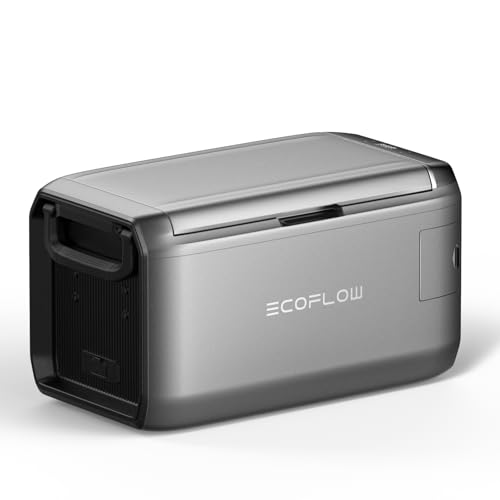
- Best for apartment balconies: EcoFlow GLACIER Classic 35L Portable Fridge Freezer — Check on Amazon
- Best compact premium: YETI Roadie 24 Hard Cooler — Check on Amazon
- Best value rotomolded: RTIC 45 QT Ultra-Tough Cooler — Check on Amazon
- Best big capacity per dollar: Lifetime 55 Quart High Performance Cooler (90820) — Check on Amazon
- Best for rooftop and courtyard parties: Coleman Classic Series 65-Quart Wheeled Cooler — Check on Amazon
- Largest powered option: Dometic CFX3 75DZ — reviewed in prose below, with an honest warning about apartment fit
Disclosure: As an Amazon Associate, dailyhomedecorating.com earns from qualifying purchases. Links to Amazon on this page are affiliate links; they cost you nothing extra. Listing details such as price and availability change often, so check the current Amazon listing before you buy.
Finding the best outdoor cooler for apartments under $1500 begins with a truth apartment dwellers already know: the budget is not the constraint, the floor plan is. Almost no single cooler costs anywhere near $1500, and in a small home the real currencies are square footage, elevator trips, storage corners and the goodwill of neighbours below a balcony. So this guide spends the budget the way an apartment host actually benefits from it — on compact, quiet, movable cooling that earns its footprint — and it is blunt about the picks that do not belong in a small home, including one famous flagship that is reviewed in prose precisely so we can tell you to skip it unless you have a garage. If your entertaining happens on a balcony, a small terrace, a shared rooftop or a courtyard you reach by elevator, the six picks below are ranked for that life: two compact powered and premium options that sip space, honest mid-size workhorses, one big wheeled party box for buildings with storage, and clear guidance on sizing, noise, building rules and storage.
Why does apartment cooling need its own guide at all? Because the standard advice fails in small spaces. A 65-quart rotomolded tank that delights a suburban patio becomes, in a studio, a coffee table you did not want. Ice management is different too: apartment freezers are small, so bagged-ice storage competes with food; drains matter because there is no lawn to tip meltwater onto; and a compressor fridge that hums against a thin wall is a neighbour-relations issue, not just a spec. The picks and the buying advice below are built around those realities — footprints measured in inches, weights one person can carry up stairs, noise levels you can live with through a wall, and storage plans for the 350 days a year the cooler is not the centre of a party.
In this guide
Quick Picks: Best Outdoor Cooler for Apartments Under $1500
Short on time? Each row names an apartment situation and the cooler that fits it. Prices move, so linked picks say “check price on Amazon”; the prose-only flagship is explained in its review.
| Apartment situation | Pick | Why it stands out | Link |
|---|---|---|---|
| Best for balconies | EcoFlow GLACIER Classic 35L | Powered fridge-freezer with optional battery — no ice to store, modest footprint — check price on Amazon | Check on Amazon |
| Best compact premium | YETI Roadie 24 | Tall, slim rotomolded box that fits wine bottles upright and tucks into corners — check price on Amazon | Check on Amazon |
| Best value rotomolded | RTIC 45 QT Ultra-Tough | Real rotomolded insulation at a mid-tier price for hosts with a storage closet — check price on Amazon | Check on Amazon |
| Best capacity per dollar | Lifetime 55 Quart High Performance | 55 quarts and multi-day ice claims at the lowest tier in this guide — check price on Amazon | Check on Amazon |
| Best for shared spaces | Coleman Classic 65-Quart Wheeled | Big, light and wheeled — rolls from storage unit to rooftop — check price on Amazon | Check on Amazon |
| Only with a garage | Dometic CFX3 75DZ | Dual-zone flagship fridge freezer — superb machine, wrong size for most apartments | See review below |
How These Picks Were Chosen
The budget filter worked the same way it does across this series: a pick only earns a purchase link if its Amazon listing has been sighted at or under $1500 in recent price records — a bar every linked pick here clears by a wide margin, because apartment-appropriate coolers are mostly modestly priced. The Dometic CFX3 75DZ appears in prose only: its list price sits near the ceiling, its current Amazon listing could not be verified tightly enough to link responsibly, and — just as important — its size makes it the wrong recommendation for most readers of this guide, so it is covered honestly as the exception that proves the rule.
Verification came next. Capacities, dimensions and weights are taken from manufacturer specifications and retailer listings, cross-checked against independent coverage. Apartment-relevant figures got extra scrutiny: external dimensions rather than flattering internal ones, empty weights you will actually carry on stairs, and whether a “55 quart” claim survives contact with real bottles and food trays. Score and count figures are deliberately omitted — they change constantly and help nobody choose a cooler.
Safety screening followed: every candidate was checked against U.S. Consumer Product Safety Commission cooler recalls. A major rolling-cooler line from another brand is under a large CPSC recall for a handle hazard; nothing from that brand appears in this guide at all. None of the six picks below has a CPSC recall on record as of writing.
Finally, picks were ranked by apartment fit, not raw performance. A cooler that wins a multi-day ice test but cannot be stored, carried or drained in a small home loses to a slightly less extreme box that fits the life around it. Readers working with a smaller budget will find the same thinking at tighter tiers in the Best Outdoor Cooler For Apartments Under $300 guide, and readers whose “apartment outdoor space” is really a small patio should cross-check the Best Outdoor Cooler For Small Patios Under $1500 guide before deciding.
Detailed Reviews
1. EcoFlow GLACIER Classic 35L — the balcony-friendly powered pick
Who it suits: Apartment hosts whose entertaining centres on a balcony or small terrace, and anyone whose freezer is too small to support an ice habit. If your “outdoor space” is ten feet by five and your storage is a hall closet, this is the pick designed around your constraints.
The GLACIER Classic 35L is a 37-quart compressor fridge freezer, about 27.8 × 15.9 × 15.8 inches and roughly 45 pounds, that runs from a wall outlet, a vehicle socket, solar input or EcoFlow’s optional 298Wh plug-in battery — the battery rated at up to 43 hours of fridge-temperature cooling under the maker’s test conditions. For apartment life the decisive feature is what it removes: ice. No bags to store in a small freezer, no meltwater to drain onto a balcony, no lukewarm puddle at midnight. Food sits at the temperature you set, from chilled drinks down to true freezer temperatures, and the app lets you check the box from the kitchen. EcoFlow publishes a fridge-mode efficiency figure of 0.57 amp-hours per hour, and the unit carries IPX4 splash resistance — useful when balcony weather turns. It is also respectably quiet for a compressor appliance, though “quiet” is relative: on a small balcony at night you will know it is running, and through a sliding door your neighbours will not.
Pros: No ice logistics at all; modest footprint; battery option frees it from the outlet; exact temperatures for food safety at long gatherings; splash resistant. Honest limitation: Single zone — the whole box is a fridge or a freezer, not both at once — and the battery is an added cost on the battery-free listing. At 45 pounds it is a deliberate two-hand carry on stairs, not a casual one.
Choose it if your balcony is your dining room all summer. Skip it if you host rarely — a good ice chest costs far less and stores smaller — or if your building’s balcony rules restrict appliances, which some leases do; check before you buy.
One underappreciated apartment virtue deserves emphasis: temperature trust. In a house, the kitchen fridge absorbs overflow; in a small flat, the fridge is full by Friday and the cooler becomes the overflow for the whole weekend — marinating meat, chilling desserts, holding breakfast for guests on the sofa bed. An ice chest can do that job, but its temperature wanders as the ice goes, and food safety across two days becomes a judgement call. A compressor box simply holds the number you set, which is why hosts who cook seriously from small kitchens disproportionately choose powered cooling even when space argues against it. The GLACIER Classic’s footprint is the compromise that makes that choice painless: it asks for roughly the floor area of a large shoebox, gives back your freezer, and turns the balcony into a genuine second kitchen for the nights that matter.
EcoFlow GLACIER Classic 35L — Check on Amazon
2. YETI Roadie 24 — the compact premium ice chest
Who it suits: Couples and small households who host two to six people, value build quality, and need a cooler that disappears into a corner, a closet or a car boot between parties.
The Roadie 24 is YETI’s tall, slim rotomolded cooler: the same PermaFrost insulation and rotomolded shell as the big Tundras, in a footprint designed to fit behind a car seat or against a balcony wall, and tall enough to take wine and two-litre bottles upright — a small spec that matters enormously at real gatherings. The QuickLatch system opens one-handed, which sounds minor until you are holding a plate. It holds a day-into-evening supply for a small group with ice, doubles as a sturdy extra seat or side table on a balcony, and stores upright in spaces a wide cooler cannot use. In a $1500 budget it is nowhere near the ceiling, which is the point: the money it saves funds the balcony itself — see the Best Outdoor Rug Under $1500 and Best Outdoor String Lights Under $300 guides for where apartment hosts tell us the rest of a budget like this does the most good.
Pros: Premium rotomolded build in a genuinely compact, tall format; upright bottle storage; one-handed latch; doubles as furniture. Honest limitation: Capacity is the trade — this is a small-group cooler, and a party of ten will empty it by mid-afternoon. Premium pricing per quart is real; you are paying for build and format, not volume.
Choose it if your gatherings are small and your storage is smaller. Skip it if you regularly host eight-plus — go a size up and accept the storage cost.
YETI Roadie 24 Hard Cooler — Check on Amazon
3. RTIC 45 QT Ultra-Tough — value rotomolded for hosts with storage
Who it suits: Apartment hosts lucky enough to have a storage closet, a parking-space cage or a generous hallway cupboard — the ones who can keep a real 45-quart rotomolded box and want weekend-grade ice retention without the benchmark brand’s price.
The Ultra-Tough 45 brings rotomolded construction, up to three inches of insulation, a freezer-style gasket and heavy-duty latches at a mid-tier price sighted far below its YETI-class rivals. For apartment use its virtues are durability and indifference: it can live in a storage cage, survive being dragged to rooftops and courtyards, and keep a long weekend’s drinks cold for the buildings’ big summer party. Its vices are the class vices — at roughly 29 pounds empty it is a two-hand carry before anything goes in it, and loaded it is an elevator ride, not a stair climb, for most people.
Pros: Genuine rotomolded performance at a mid-tier price; tough hardware; strong ice retention for multi-day events. Honest limitation: Size and weight are apartment-hostile unless you have dedicated storage and lift access; measure your closet before ordering, including the door swing.
Choose it if storage exists and your parties are big enough to need it. Skip it if it would live in your living room — it will, and you will resent it by February.
RTIC 45 QT Ultra-Tough Cooler — Check on Amazon
4. Lifetime 55 Quart High Performance (90820) — capacity per dollar
Who it suits: Budget-smart hosts who need real capacity a few times a year — the building barbecue, the holiday overflow — and would rather spend the rest of a $1500 budget on everything else.
Lifetime’s 90820 is the value outlier of the premium cooler world: a 55-quart high-performance cooler with up to seven-day ice retention claimed by the maker, an IGBC bear-resistant certification that mostly testifies to how seriously its latches and shell are built, and a price sighted at the lowest tier in this guide. For apartment life it plays the role of the occasional big gun: it stores in a cage or closet, comes out for the events that need 55 quarts, and its moulded handles and relatively manageable weight for its size make the elevator trip feasible for two people. The bottle opener built into the design is a small, party-friendly touch.
Pros: The most capacity per dollar here; certified-tough construction; long ice claims for weekend events. Honest limitation: It is still a big box — 55 quarts of cooler needs 55 quarts of storage — and its finish and hardware feel a step below the rotomolded premium picks. Ice performance depends on packing discipline like every ice chest.
Choose it if you want maximum occasional capacity for minimum spend. Skip it if it would be your weekly cooler in a small flat — smaller and nicer beats bigger and resented.
Lifetime 55 Quart High Performance Cooler (90820) — Check on Amazon
5. Coleman Classic Series 65-Quart Wheeled (316 Series) — the shared-space party box
Who it suits: Buildings with bookable rooftops, courtyards or party rooms, where the cooler must travel from a storage unit, roll across hard surfaces, serve a crowd, and roll back — all in one evening.
Coleman’s Classic 65-quart wheeled cooler is the lightest way to move this much capacity: around 14.5 pounds empty, on wheels, with cup holders moulded into the lid and a maker claim of up to four days of ice at 90°F from retailer specifications. That combination — big, light, cheap, wheeled — is exactly what shared-space hosting needs, because the cooler is equipment, not furniture: it lives in storage, works hard a dozen evenings a year, and its low price means a scuffed lid is not a financial event. For drinks service at a rooftop party it is genuinely hard to beat per dollar.
Pros: Largest capacity here at the lowest weight and a budget price; wheels suit lifts and hard floors; lid cup holders earn their keep at parties. Honest limitation: Thin-wall construction cannot match rotomolded ice retention or longevity, wheels dislike gravel and grass, and 65 quarts is still a large storage footprint — confirm your storage unit swallows it before buying.
Choose it if your parties happen in shared spaces you travel to. Skip it if you need multi-day ice or a cooler that doubles as balcony furniture.
Coleman Classic Series 65-Quart Wheeled Cooler — Check on Amazon
6. Dometic CFX3 75DZ — the flagship that most apartments should skip (prose only)
Who it suits: Honestly? The apartment dweller with a private garage, a large terrace, or a second home habit — the exception, not the reader this guide is mostly for. It is included because shoppers searching this budget will meet it everywhere, and they deserve a straight assessment.
As a machine, the CFX3 75DZ is superb: a 74-litre (about 65 usable) dual-zone compressor fridge freezer with independent temperatures per compartment, a VMSO3 variable-speed compressor, app control, rugged ExoFrame construction and a published draw of about 1.43 amp-hours per hour at 12V with both zones chilling. Fridge on one side, freezer on the other, no ice ever. As an apartment product, the maths rebels: roughly 35 × 19 × 19 inches and about 61 pounds empty, before food. On a small balcony it is the furniture. In a walk-up it is a moving-day event. It is also the pick we do not link — its list price sits near this guide’s ceiling and its current Amazon listing could not be verified tightly enough — so consider it through authorised dealers if, and only if, your space genuinely fits it.
Pros: The best cooling technology in this guide; dual-zone flexibility; no ice, exact temperatures. Honest limitation: Size, weight and price are all wrong for typical apartment living, and it needs a power plan.
Choose it if you have garage or terrace space that swallows it without displacing your life. Skip it if you are measuring your balcony in inches — the EcoFlow above gives you powered cooling at half the footprint.
Comparison Table
| Pick | Type | Capacity | Apartment fit | Best for |
|---|---|---|---|---|
| EcoFlow GLACIER Classic 35L | Compressor fridge freezer | 35 L (37 qt) | Good — modest footprint, no ice storage | Balconies, frequent small hosting |
| YETI Roadie 24 | Rotomolded ice chest | 24-class, tall format | Excellent — corner and closet friendly | Couples, small groups, wine bottles upright |
| RTIC 45 Ultra-Tough | Rotomolded ice chest | 45 qt | Fair — needs real storage | Weekend events, storage-cage owners |
| Lifetime 55 (90820) | High-performance ice chest | 55 qt | Fair — big box, low price | Occasional big events |
| Coleman Classic 65 Wheeled | Wheeled ice chest | 65 qt | Fair — light and rolls, but large | Rooftops, courtyards, party rooms |
| Dometic CFX3 75DZ | Dual-zone fridge freezer | 74 L gross | Poor for most — garage/terrace only | Serious hosts with space |
How to Choose a Cooler for an Apartment
Measure three spaces, not one. The party space (balcony or terrace, with room for people left over), the storage space (closet, cage or under-bed — with the door and access route measured too), and the carry route (stairs, lift size, hallway turns). A cooler must fit all three lives: the evening it works, the year it waits, and the journey between. Most apartment cooler regrets are failures of the second or third measurement.
Count your freezer before choosing ice. An ice chest habit needs ice storage or a store run before every event. Small apartment freezers often cannot hold two bags plus food, which is why powered cooling — or a hybrid pattern, one powered box plus frozen bottles rotated through the freezer — suits apartment hosts disproportionately well. If you do go ice-only, reusable packs and frozen bottles store flatter and double as cold water later.
Take noise seriously. Ice chests are silent. Compressor coolers hum and cycle; on a balcony that is background, but against a bedroom wall or a neighbour’s window it can matter. Place powered units on a mat, away from shared walls, and favour models with published efficiency — efficient compressors run less often and more quietly.
Check the building before the product. Balcony weight limits, rules on appliances and open storage, rooftop booking policies and lift dimensions all outrank any specification sheet. A cooler you are not allowed to keep on the balcony is a hallway obstacle with a lid.
Size for your real group. Two to six people is the apartment norm, and a 24–37 quart cooler serves it well with room for food. Buy the 55–65 quart box only if your calendar actually contains the big events — or if the building’s shared parties are yours to supply. A pair of stackable chairs and a cooler that fits the corner will host more happy evenings than one giant box: the Best Adirondack Chair Under $300 guide is a reasonable next stop for the budget this tier leaves unspent.
Common Mistakes
Buying the suburban size. The most common apartment cooler mistake is importing backyard advice wholesale. A 65-quart rotomolded box in a small flat becomes semi-permanent furniture, usually in the way.
Forgetting the storage year. The cooler works perhaps twenty days a year and stores for the rest. If you cannot name the exact corner it will occupy in January, do not buy it in June.
Ignoring the carry. Weight figures are quoted empty. Add ice, drinks and food and a mid-size cooler can double in weight; stairs multiply the problem. Wheels, smaller boxes or a powered unit that lives on the balcony all beat heroic carrying.
Draining onto the balcony. Meltwater has to go somewhere, and in an apartment that somewhere is a sink or a tub — choose a cooler whose drain you can use over a container, or a powered box with no meltwater at all, rather than tipping a sloshing box across the floor.
Overlooking balcony rules and sun. A cooler in full sun on a dark balcony floor works far harder than its specifications assume, and some buildings restrict what balconies may hold. Shade and permission first, purchase second.
Spending the whole $1500 because it is there. Apartment hosting improves faster with lighting, a rug, seating and shade than with cooling beyond need. The right cooler for most apartments costs a fraction of this budget, and that is a feature of the tier, not a failure to use it.
Ice Logistics in a Small Freezer
Apartment hosts who choose ice chests need a system, because the freezer is the smallest in the supply chain. The patterns that work: freeze water bottles flat and stack them like books — they chill the box, fill gaps better than cubes around bottles and food, and become drinking water as they thaw. Keep two reusable ice packs in permanent rotation so a spontaneous evening never starts from zero. If you buy bagged ice, buy it the day of the event and treat the cooler itself as the storage: a pre-chilled box holds a bag happily for hours before guests arrive. Pre-chill drinks in the fridge overnight so the cooler only has to keep them cold, not make them cold — that single habit is worth more ice retention than any wall thickness. And plan the end of the night: know which sink or tub the meltwater will drain into, and put a towel under the cooler on any floor that water would mark. None of this costs money; all of it is the difference between an ice chest that feels easy in a small home and one that feels like a chore with a lid.
Three Apartment Hosting Patterns That Work
The balcony regulars (two to six people, weekly). One compact anchor — the EcoFlow powered box or the Roadie 24 — lives on or near the balcony all season, so hosting starts with opening a lid, not hauling equipment. Drinks for the evening, food for the grill, done. Storage cost: near zero, because the cooler never really gets put away. This pattern is why compact picks lead this guide.
The storage-cage strategist (big events, monthly). A mid or large ice chest — RTIC 45, Lifetime 55 or the Coleman wheeled — lives in the building’s storage, comes up in the lift for the events that need it, and goes back down the same night while it is still cold and easy to drain in a utility sink. The pattern works only with discipline: the cooler must genuinely return to storage after every event, or it migrates into the flat and becomes the furniture problem this guide keeps warning about.
The shared-space host (rooftops and courtyards). Wheels and light weight outrank insulation here, because the journey is the event: storage unit, lift, corridor, rooftop. The Coleman 65 Wheeled is built for exactly this, ideally paired with the Roadie 24 kept in the flat for the after-party drinks that migrate upstairs. Book the space, check the lift dimensions once, and this pattern runs all summer without a single heroic carry.
Most apartment hosts are one of these three, plus guests. Choosing the pattern first and the product second is the whole method — it converts a $1500 budget from a shopping problem into a solved logistics problem, usually for well under half the money.
Power, Drainage and Daily Life With a Cooler in a Flat
The details that decide whether an apartment cooler feels effortless are unglamorous. Power first: a powered cooler needs an outlet it can reach without a cable crossing the balcony door track — a trip hazard and a weather seal problem in one. Outdoor-rated sockets, a short outdoor extension lead routed along the wall, and a drip loop so rain cannot run down the cable into the plug are the whole craft. If the balcony has no outlet, the battery-equipped EcoFlow pattern — charge indoors, carry out, run cordless through the event — is usually a better answer than a long cable through a window.
Drainage second: meltwater is heavy, and a 45-quart box can hold gallons of it. Choose where it goes before the party. A drain plug you can open over a bucket beats tipping; a bathroom tub beats a kitchen sink for a big box; and a cooler tray or mat under any ice chest protects balcony decking and the ceiling of the neighbour below from the condensation that forms on cold walls in humid weather — a detail first-time balcony hosts learn exactly once, the damp way.
Daily life third: a cooler that lives on a balcony becomes a table, a seat, a plant stand and a storage box for cushions, and the good ones shrug all of that off. Rotomolded lids are rated to be sat on; powered lids are not worktops, and their vents must stay clear even when the balcony gets crowded. Keep the gasket clean — balcony dust and pollen work into seals — and wipe the interior after every event, because a closed box in a warm flat grows odours faster than the same box in a cool garage. Fifteen minutes of routine after each party is the entire maintenance programme, and it is what makes a premium cooler still pleasant in its fifth summer.
What a $1500 Budget Actually Buys an Apartment Host
It is worth spelling out the arithmetic, because this tier’s honesty is its whole value. The right-sized anchor cooler for most apartments — the EcoFlow powered box or the Roadie 24 — consumes only a fraction of the budget. A second, larger box for the building’s big events, in the Coleman or Lifetime class, consumes a smaller fraction still. Together, the complete two-box apartment system typically lands well under half the ceiling. The remainder is not spare change; spent well, it is the difference between a balcony with a cooler on it and a balcony that works as an outdoor room: shade for the hours when the sun makes the space unusable, a rug that defines the zone and protects the floor from cooler condensation, string lights that stretch gatherings past sunset, and seating guests actually linger in. Apartment hosts consistently report — and common sense agrees — that guests remember the shade, the light and the chairs long after they forget which cooler kept the drinks cold, provided the drinks were, in fact, cold.
There is also a respectable case for spending almost none of it. If your hosting is four evenings a year, the honest recommendation is the Roadie 24 or the Lifetime, a bag of ice on the day, and the rest of the budget left in your account. This guide’s job is to match the spend to the life, and at this tier the match is usually “one good compact cooler, bought once, used for a decade.” The $1500 frame matters mainly because it removes price as an excuse: within it, you can have the exact format your space needs — powered, compact, wheeled or capacious — without compromise, and still fund the rest of the balcony. Buy for the floor plan, not for the number in the search query.
Final Recommendation
For most apartment hosts, the EcoFlow GLACIER Classic 35L is the answer this budget was looking for: powered, ice-free, balcony-sized cooling that removes the freezer-space and drainage problems in one purchase — and leaves most of $1500 for the balcony around it. If you prefer no electronics, the YETI Roadie 24 is the compact premium ice chest that fits apartment storage and small-group life. Step up to the RTIC 45 or Lifetime 55 only with measured storage and real headcounts, keep the Coleman 65 Wheeled in mind for shared rooftops, and let the Dometic flagship go unless your apartment is the rare one with room for it. Measure first, buy once, and spend the change on the space itself.
Carrying, Cleaning and Living With Each Pick in a Flat
An apartment adds three tests that a house never applies: the cooler must survive the journey from shop to balcony (stairs, a lift, a narrow hallway), it must clean up without a garden hose or a utility sink, and it must store somewhere that is also living space. Run the six picks in this guide through those three tests and the ranking reshuffles in instructive ways.
EcoFlow GLACIER Classic 35L. At 45.1 lb empty and 27.8 × 15.9 × 15.8 inches, this is a two-handed carry up stairs and a deliberate placement once it lands — you will not be casually relocating it full. What it gives back is the cleanest apartment ownership story of any pick here: no ice to buy, carry, store or drain. There is no meltwater to route off a balcony, no bag of ice thawing in a small freezer, and the interior wipes dry in the kitchen sink’s orbit rather than demanding a hose. The published fridge-mode draw of 0.57 Ah/h and the optional 298Wh battery rated at up to 43 hours at fridge temperature mean it can also live through a party on battery alone, which quietly solves the “no outdoor socket” problem many balconies have. IPX4 splash resistance covers hose-downs and spilled drinks; it does not make it a leave-out-all-winter appliance, so a cover and a corner out of standing water remain part of the deal.
YETI Roadie 24. The tall, compact footprint is the apartment feature: it stands in corners and beside balcony doors that a wide chest would block, and the format fits wine bottles upright, which matters more to balcony hosts than any can count. The QuickLatch system opens one-handed — genuinely useful when the other hand holds a plate — and the rotomolded build shrugs off the knocks that hallway corners and lift doors deliver. Cleaning is sink-and-shower work: it is small enough to wash in a bath or large shower tray, dry on the balcony, and store with the lid cracked in a cupboard or wardrobe corner. Loaded weight stays in the one-person range for short carries, which is precisely why it, and not a larger box, is the realistic “take it to the roof terrace” option in this guide.
RTIC 45 QT Ultra-Tough. Roughly 29 lb empty, 45 quarts, up to 3 inches of insulation: the numbers describe a box that an apartment host with a storage cupboard or a parking-space cage can justify, and that a host without either cannot. One person can carry it loaded over a short distance; two floors of stairs will argue otherwise, so the honest pattern is to carry it empty, load it on the balcony, and empty it before the return trip. Cleaning demands more commitment than the Roadie — it will not fit a kitchen sink, so it is bath, shower or balcony-and-bucket work — and its storage footprint is the real rent it charges. What it returns is rotomolded ice life at a mid-tier spend, which for hosts who entertain monthly rather than weekly can be the correct trade.
Lifetime 55 Quart High Performance (90820). The maker rates this 55-quart box at up to 7 days of ice retention, and it carries IGBC bear-resistant certification — a specification that sounds absurd for a flat until you translate it: the latches, hinges and body are built to a standard far beyond balcony duty, which is why it survives years of being dragged out for parties and put away again. In an apartment its size is the negotiation. It will not live on most balconies; it lives in storage and visits for events, and at 55 quarts it serves the courtyard, roof terrace and shared-garden parties that are how apartment blocks actually entertain. Cleaning is a two-bucket balcony job or a shower with the drain plug open, and the size that makes it awkward to wash is the same size that makes it the capacity-per-dollar answer in this guide.
Coleman Classic Series 65-Quart Wheeled (316 Series). At roughly 14.5 lb empty, this is the lightest big box here by a wide margin, and the wheels plus that light weight make it the one large cooler a single person can genuinely move alone — lift it empty into a lift, wheel it across a courtyard, load it in place. Retailer specifications credit the 316 Series design with up to 4 days of ice at 90°F, and the lid cup holders sound like a gimmick until a shared-space party, when they become the only flat surface anyone has. The apartment catch is storage: 65 quarts is a wardrobe’s worth of volume, so this pick belongs to flats with a storage locker, a generous hallway cupboard or a parking cage. Where that space exists, it is the party box; where it does not, it is a guest who never leaves.
Dometic CFX3 75DZ (prose only). The flagship’s apartment problem is simple geometry: 892 × 495 × 472 mm and 27.8 kg is a piece of furniture, and its 65 litres of usable dual-zone capacity serves a household that entertains at a scale most flats cannot seat. It is included so the ceiling of the market is visible, and skipped — honestly — for almost every apartment in the detailed review above. If your “apartment” is a penthouse with a terrace kitchen, the calculus changes; the guide’s job is to say plainly that for the typical balcony, the money and the floor space both work harder elsewhere.
The Apartment Cold Chain: From Shop to Balcony
Apartment cooling succeeds or fails as a chain, not as a product. Start at the shop: buy drinks already chilled wherever the shop allows it, because a compressor or a bag of ice that only has to maintain cold will outlast one that has to create it. Transport is the weak link — a warm car boot or a sunny walk home can hand your cooler a load that is already several degrees up — so the cooler, or at least a cool bag, should travel with you rather than waiting at home.
At home, pre-chill with what a small freezer can actually give. Apartment freezers rarely hold bags of party ice, which is why the practical pattern is frozen water bottles rotated over two or three days before an event: they pre-chill the box, they become the base ice layer, and unlike cubes they melt into their own bottles instead of into your food. For a powered cooler, the chain is simpler and is the real argument for one in a flat: run it on mains from the morning, load it cold, and let the battery — if fitted — cover only the balcony hours. A published draw of 0.57 Ah/h in fridge mode is the sort of figure that makes that arithmetic gentle.
During the event, zone the box the way a small space demands. Drinks — the high-traffic items — belong in the top layer or in the wheeled party box, because every deep dig for a bottle costs cold and tries the host’s patience. Food stays sealed, low and cold, and raw meat stays in its own sealed container at the bottom, below and away from anything ready to eat. Afterwards, the chain closes with the step apartment hosts skip: drain or wipe the box the same night, dry it fully with the lid open in the hallway or bathroom, and only then close it into storage. A cooler stored damp in a warm cupboard announces itself at the next party; a cooler stored dry is invisible until it is needed. That unglamorous discipline, repeated, is what makes a small-flat cooler a five-minute tool instead of a half-hour project.
FAQ
What size cooler is best for an apartment balcony?
For most balconies, 24–37 quarts is the sweet spot: enough for a small group’s drinks and food across an evening, small enough to leave room for people. Measure the balcony with furniture in place and keep a walkway — a cooler that blocks the door will not be used twice.
Is a powered cooler worth it in an apartment?
Often, yes — more than in a house. It removes ice storage from a small freezer, removes meltwater drainage, and holds exact temperatures for food across long evenings. The trade-offs are price, a power outlet within reach, and compressor hum, which placement on a mat away from walls largely solves.
How do I store a cooler in a small apartment?
Clean and fully dry, lid cracked to protect the gasket and prevent mildew, in the largest dead space you have: a hall closet top shelf, a storage cage, under a bed for slim models, or on the balcony under a cover where rules allow. Tall slim formats like the Roadie 24 exist precisely because they fit these spaces.
Can I keep a cooler on my balcony all year?
Check your lease and building rules first — some restrict balcony storage and appliances. Physically, ice chests tolerate it best under a cover and out of standing water; powered units prefer cover, ventilation clearance and protection from direct weather. Either way, store it dry with the lid ajar.
Why is a $1500 budget mostly unspent in this guide?
Because apartment-appropriate coolers honestly cost less, and inventing a need for a giant flagship would waste your money and your floor space. The budget’s best use in a small home is one right-sized cooler plus the seating, shade, light and rug that make the balcony a room.
What about noise for neighbours?
Ice chests are silent. Compressor models cycle audibly in quiet conditions; keep them off shared walls, on a mat, and out of corners that amplify hum. In practice, a modern efficient unit on a balcony is a smaller disturbance than the party it is cooling for.
How do I get a big cooler up to a walk-up flat?
Honestly: buy smaller, or buy wheeled and light. A loaded mid-size cooler is a two-person carry on stairs, and a loaded 65-quart box is a genuine risk on a narrow staircase. Measure the stairwell turns before ordering anything large, consider keeping big-event coolers in ground-floor storage instead of the flat, and remember that two trips with a 24-quart box are safer than one trip with a 65.
Do I need a second cooler for parties in a small flat?
Only if your headcount regularly outgrows one box. The common apartment pattern is one compact everyday cooler plus, at most, one inexpensive large box kept in storage for the two or three big events a year. If storage cannot hold the second box, borrow capacity instead: pre-chilled drinks, a neighbour’s fridge shelf, and a drinks tub with ice for the least temperature-sensitive bottles.
How do I make ice for a party in a small freezer?
Start three days out. Freeze water bottles in rotation — they are your pre-chill, your base ice and your backup drinking water in one — and buy one bag of cubes on the day only if the guest list demands it. Bottles melt slower than cubes, keep food dry, and refreeze for the next event, which is why they suit apartment freezers far better than loose ice.
Will a compressor cooler annoy the neighbours below?
Compressor coolers hum at roughly fridge levels and cycle rather than run constantly, and on a balcony in daytime party noise they are effectively inaudible. Late at night, on a hard balcony floor that can transmit vibration, a mat or folded towel underneath is a considerate fix — and a reason to let the box reach temperature before guests arrive rather than working hardest during the quietest hours.


