Where to buy
Check the latest price, availability and delivery on Amazon. Orders are placed on Amazon. We may earn a commission from qualifying purchases.
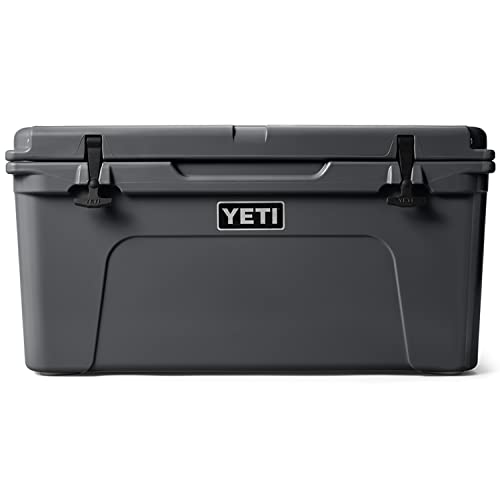
- Best overall for backyards: YETI Tundra 65 Hard Cooler, Charcoal — Check on Amazon
- Best wheeled for lawns: YETI Tundra Haul Wheeled Cooler, Navy — Check on Amazon
- Best leave-outside build: Pelican 45QT Elite Wheeled Cooler — Check on Amazon
- Best value capacity: RTIC 52 QT Ultra-Light Wheeled Cooler — Check on Amazon
- Best all-round second cooler: YETI Tundra 45 Hard Cooler — Check on Amazon
- Best budget party capacity: Lifetime 55 Quart High Performance Cooler — Check on Amazon
Read the full guide ↓
Disclosure: As an Amazon Associate, dailyhomedecorating.com earns from qualifying purchases. Links to Amazon on this page are affiliate links; they cost you nothing extra. Listing details such as price and availability change often, so check the current Amazon listing before you buy.
The best outdoor cooler for backyards under $500 is not a camping cooler that happens to be in a backyard. Backyard duty is its own discipline: the cooler lives outside or in the garage for years, gets parked in the sun at noon and rained on by Thursday, serves as a seat, a side table and occasionally a step, and feeds gatherings that range from four people on a Tuesday to forty at a graduation party. At a $500 ceiling, you are shopping the rotomolded and premium tier — one-piece shells, thick insulation, clamping latches, warranties from five years to life — and the real questions are about placement, capacity and wheels, because a backyard cooler that is positioned right in May will still be making the host’s life easy in September.
Here is the shape of the decision. Size first: backyard loads are the largest in home life, so this guide leans big — 45-to-65-class boxes that end the mid-party ice run. Wheels second: a backyard cooler moves across grass, gravel and decking between the kitchen, the garage and its station, and the wheeled picks here roll over all three. Permanence third: some of these coolers are built to live outdoors season after season — stainless hardware, lifetime guarantees — while others are better thought of as garage residents that visit the lawn. Our top pick, the YETI Tundra 65, is the backyard default: real group capacity in the benchmark rotomolded build. The Tundra Haul adds wheels to the same formula for hosts whose station is far from the door. The Pelican 45QT is the leave-it-outside tank, the RTIC 52 wheeled is the value capacity play, and the Tundra 45 and Lifetime 55 round out the list as the all-rounder and the budget party box.
Below you will find the quick picks, how we chose them, detailed reviews of all six, a side-by-side comparison, a backyard-specific buying guide, drink-station setup advice, the mistakes that shorten a backyard cooler’s life, seasonal care, and answers to the questions backyard hosts ask most. A note on method before we start: every pick is a verified Amazon listing at or under the ceiling, cross-checked against maker specifications, and screened against federal recall records — and because prices move, we print none in the body; check the current price on Amazon for each pick.
In this guide
Quick Picks
Short on time, or comparing several options at once? Each row below names a buyer type and the product that suits it, with a link to the listing.
| Buyer type | Pick | Why it stands out | Link |
|---|---|---|---|
| Best overall for backyards | YETI Tundra 65 Hard Cooler, Charcoal | Group-size rotomolded capacity that doubles as seating and lives where you park it | Check on Amazon |
| Best wheeled for lawns | YETI Tundra Haul Wheeled Cooler, Navy | Tundra build on puncture-proof wheels — one person moves a full party load across grass | Check on Amazon |
| Best leave-outside build | Pelican 45QT Elite Wheeled Cooler | Stainless hardware, press-and-pull latches, made in the USA, guaranteed for life | Check on Amazon |
| Best value capacity | RTIC 52 QT Ultra-Light Wheeled Cooler | True-to-size 52 quarts on wheels, in a shell built to be far lighter than rotomolded rivals | Check on Amazon |
| Best all-round second cooler | YETI Tundra 45 Hard Cooler | The benchmark mid-size — food cooler beside the drinks cooler, or the solo pick for smaller yards | Check on Amazon |
| Best budget party capacity | Lifetime 55 Quart High Performance Cooler | Bear-resistant, 55 quarts and light for its size, at the value end of this guide | Check on Amazon |
How These Picks Were Chosen
We chose for backyard life specifically. Every pick had to hold a real gathering — not a picnic for two — or pair naturally as the second cooler in a two-cooler system. Every pick had to survive outdoor residence: UV-stable shells, drainage that works in place on a patio or lawn, and lids strong enough for the seating duty backyard coolers inevitably perform. And every pick had to be movable in a yard by the people who actually host: wheels where the size demands them, honest weights where it does not.
Verification worked the same way as in our other guides. Each cooler is a real Amazon listing confirmed at or under the $500 ceiling during research, cross-checked against the maker’s published specifications — capacity under stated conditions, exterior dimensions, empty weight, warranty — and at least one independent retailer or price record. Capacity claims are reported on the maker’s own basis and flagged where a model name overstates the box. All six were screened against U.S. Consumer Product Safety Commission recall notices for coolers before shortlisting; any recalled product was excluded entirely. Prices in this category swing with the seasons, so the guide prints no static product price: check the current price on Amazon before you compare.
We also weighted something spec sheets underplay: how a cooler behaves in its fifth backyard summer, not its first. Latch tension, gasket resilience, hinge play and wheel bearings are where premium money either proves itself or does not, and they drove the ranking here as much as any capacity figure. A backyard cooler is a decade-scale purchase that will be judged at hundreds of gatherings; the picks below were ordered by how confidently we would leave them on a deck, loaded, in front of forty guests, five summers from now.
The 6 Best Outdoor Coolers for Backyards Under $500, Reviewed
1. YETI Tundra 65 Hard Cooler — Best Overall for Backyards
Who it suits: Backyard hosts whose gatherings run from family Sundays to full parties, and who want one cooler parked at the center of the setup for years.
The YETI Tundra 65 is the size backyard hosting actually consumes. YETI rates it at 42 cans packed with ice at the recommended 2:1 ratio, or 52 pounds of ice alone — in backyard terms, drinks for a dozen-plus guests with food riding in the included dry goods basket, or a long weekend of family supplies without a mid-event ice run. The construction is the full Tundra formula: one-piece rotomolded shell, thick pressure-injected insulation, a freezer-style gasket the lid clamps onto with heavy rubber latches, non-slip feet, tie-down slots, and bear-resistant certification when the lock slots are fitted — a durability grade that in backyard terms means kids can climb it, adults can sit on it, and the dog can lean against it for a decade.
Placement is the Tundra 65’s one real demand. The exterior runs about 30.5 × 17.5 × 16 inches and it weighs around 29 pounds empty; loaded for a party it is a two-person carry, full stop. So the backyard ritual is: roll or carry it empty to its station — shaded, level, within reach of seating but out of the traffic lane — then load it there. Parked that way, it becomes infrastructure: the lid is a bench and a side table, the basket keeps burgers and salads out of the meltwater, and the big drain plug empties it in place at night’s end with a short hose run to the garden bed. The five-year warranty and the deepest accessory range in the category (seat cushions, dividers, tie-downs, replacement latches) complete the picture of a cooler bought once for a home, not a season.
Pros: Real party capacity; benchmark rotomolded durability; doubles as seating and table; included dry basket; five-year warranty and unmatched accessories.
Honest limitation: No wheels, and loaded it is heavy — hosts who must move a full cooler across the yard regularly should buy the Haul below instead. Its long footprint also needs a planned parking spot.
Choose it if your cooler can live at its station. Skip it if the route from storage to lawn is long and you host alone. Check on Amazon — check price on Amazon before ordering.
2. YETI Tundra Haul Wheeled Cooler — Best Wheeled for Lawns
Who it suits: Solo hosts, big yards, and anyone whose cooler station sits a long way from the kitchen door — across lawn, gravel or deck.
The YETI Tundra Haul answers the Tundra 65’s only real weakness by putting the Tundra build on wheels. The NeverFlat wheels are solid and puncture-proof — no tires to inflate, nothing to puncture on a thorn or a deck screw — and the StrongArm handle is built to pull a full load one-handed. The numbers explain why it works: YETI rates the Haul at 45 cans packed with ice at the recommended ratio, or 55 pounds of ice alone, and at about 37 pounds empty it was never a cooler you wanted to carry loaded anyway. On wheels, a full party load becomes a calm walk across the grass, which changes the whole hosting rhythm: the cooler comes out for Tuesday burgers as readily as for Saturday parties, because bringing it out stopped being a production.
The tall interior — roughly 28 × 18.5 × 19.5 inches outside, with depth to spare — stands wine bottles upright, a small mercy every host appreciates when the alternative is bottles sweating sideways in meltwater. The rotomolded shell, gasket and latches are Tundra-grade, and the cooler carries the same bear-resistant design language and five-year warranty. Two honest costs: the wheels and handle add length and a little mechanical complexity, and a wheeled cooler parked on a slope wants a flat spot or a chock. Neither matters on a typical lawn; both are worth knowing before it arrives.
Pros: One-person movement of a full party load over grass and gravel; Tundra build and warranty; upright bottle storage; puncture-proof wheels.
Honest limitation: The heaviest empty carry in the YETI picks here if you ever do lift it — into a truck bed, say — and the premium for wheels is real money that stationary hosts do not need to spend.
Choose it if distance is your backyard’s defining feature. Skip it if your cooler lives beside the grill all season. Check on Amazon — check price on Amazon, as colors vary in price and availability.
3. Pelican 45QT Elite Wheeled Cooler — Best Leave-Outside Build
Who it suits: Owners who intend the cooler to live outdoors — on the deck, by the pool, at the outdoor kitchen — and want hardware and a warranty that treat that as normal.
Most coolers tolerate outdoor life; the Pelican 45QT Elite Wheeled Cooler is engineered for it. The press-and-pull latches are wide, positive and operable with wet hands; the hinges and hardware are stainless steel, chosen for weather; the body carries a molded-in lock hasp with a stainless plate; and the whole cooler is certified bear-resistant, made in the USA, and guaranteed for life. That last phrase does the heavy lifting in a backyard context: a lifetime guarantee is a manufacturer stating, in writing, that seasons of sun and rain are a use case, not an abuse case. Integrated cup holders and a built-in bottle opener are molded in rather than clipped on, so there is nothing small to lose in the grass.
The 45QT wheeled configuration measures about 29.7 × 20 × 19.3 inches and weighs roughly 37 pounds empty — the wheels are standard equipment in spirit as well as fact. Capacity is family-and-friends size, the thick polyurethane insulation is rated for multi-day retention, and the freezer-grade gasket seals the lid against the dust, pollen and sideways rain that are the real enemies of a cooler that lives outside. The aesthetic is unapologetically industrial; on a manicured patio it reads as equipment, not furniture. Owners who care about that distinction buy the cushion-topped YETIs; owners who care about the next twenty years buy this.
Pros: Lifetime guarantee; stainless hardware and the best latches in the guide; bear-resistant; made in the USA; molded-in cup holders and bottle opener.
Honest limitation: Heaviest pick here and proud of it; the utilitarian look will not blend into styled outdoor furniture, and you will roll it everywhere — plan its parking spot accordingly.
Choose it if the cooler lives outside permanently. Skip it if it must be lifted into a vehicle often. Check on Amazon — check price on Amazon, and confirm the wheeled configuration on the listing.
4. RTIC 52 QT Ultra-Light Wheeled Cooler — Best Value Capacity
Who it suits: Value-led hosts who want genuine party capacity on wheels without flagship pricing — and a cooler one person can also lift into a car for away games.
The RTIC 52 QT Ultra-Light Wheeled Cooler attacks the backyard problem from the weight side. RTIC’s Ultra-Light construction is designed to be more than 30 percent lighter than rotomolded coolers of the same capacity — the non-wheeled 52 weighs about 21 pounds empty — and the wheeled version adds a handle and rolling gear to that light shell. The capacity is true to size: 52 real quarts, rated for up to 78 cans, which makes it the largest usable volume in this guide, delivered in the package that is easiest to move. For a host working alone, that combination rewrites the setup: load in the kitchen, roll across the yard, park by the seating, done — no second pair of hands recruited, no loaded carry across wet grass.
Insulation is up to three inches of foam, and independent testing of the Ultra-Light line has praised its cold-keeping for the price; in backyard service — pre-chilled, loaded cold, lid managed — it covers a long party day and a family weekend without drama. The savings versus the flagships come from the known places: the shell is not rotomolded, there is no bear-resistant certification, and the warranty and finish sit a step below YETI and Pelican. For a cooler that lives in a garage and works on lawns, those are rational trades, and the mid-band price leaves budget for the rest of the backyard — a trade the final sections of this guide take seriously.
Pros: Largest true capacity here; lightest-in-class shell with wheels; one-person setup; mid-band price.
Honest limitation: Not rotomolded or bear-certified; fit, finish and warranty trail the flagships; the lighter shell prefers garage storage over permanent outdoor residence.
Choose it if you host often, alone, on a budget. Skip it if the cooler must live outside year-round. Check on Amazon — check price on Amazon before you buy.
5. YETI Tundra 45 Hard Cooler — Best All-Round Second Cooler
Who it suits: Hosts building the classic two-cooler system — a big drinks box plus a food cooler that opens rarely — and smaller backyards that need one premium cooler in a moderate footprint.
Every experienced backyard host eventually discovers the two-cooler truth: drinks and food have opposite needs. Drinks want a big box opened constantly; food wants a smaller box opened four times a day and kept properly cold. The YETI Tundra 45 is the food half of that system, and the best version of it: rotomolded shell, freezer-style gasket, clamping latches, and the included dry goods basket that suspends salads, cheeses and raw proteins above the ice in their own cold, dry zone. YETI rates it at 54 cans with no ice or 37 pounds of ice alone; run as a food cooler it carries a full party menu for a dozen people with room to spare.
On its own in a smaller backyard, the same cooler is simply the all-rounder: about 25.6 × 15.9 × 15.5 inches, 24.6 pounds empty, a lid that seats a guest, and the deepest accessory ecosystem in the category for owners who like to tune a setup. Bear-resistant certification and a five-year warranty cover the durability question. The honest notes are the familiar ones: independent measurement puts the true volume below the “45” name, so think of it as a generous 35-to-40-class box; and loaded, it is a two-handle carry — park it before you pack it.
Pros: The ideal food cooler — basket, seal and size; benchmark build; doubles as seating; huge accessory range.
Honest limitation: True capacity trails the name; no wheels; as a solo drinks cooler for a big party it will run out of room by design.
Choose it if you are pairing it with a larger drinks cooler, or your yard and guest list are mid-size. Skip it if one cooler must do a forty-person party alone. Check on Amazon — check price on Amazon before ordering.
6. Lifetime 55 Quart High Performance Cooler — Best Budget Party Capacity
Who it suits: Families who host big, spend carefully, and would rather fund the party — and the rest of the backyard — than the badge on the cooler.
The Lifetime 55 Quart High Performance Cooler is the arithmetic pick of this guide: 55 quarts, a bear-resistant certified polyethylene shell, heavy-duty latches, a stainless steel hinge rod, a built-in bottle opener — and an empty weight of only about 24 pounds, lighter than rotomolded rivals with less room inside. In published testing, Lifetime’s high-performance coolers have impressed reviewers with ice retention rivalling premium brands at around half the price. Translated to a backyard: this is the cooler you buy two of over time, one for drinks and one for food, and still spend less than a single flagship — the two-cooler system at a one-cooler budget.
Daily manners are practical. Rope-style handles make the two-person carry comfortable, the lid takes a seated adult at a crowded party, and the drain is a simple hose-compatible plug for end-of-night emptying into the garden. What you give up is refinement: latch feel, gasket finesse, accessories and the long warranties of the top picks. In a garage-kept, party-working life, those are the right things to give up, and the savings compound across everything else a backyard needs.
Pros: Bear-resistant and big at the value end of the guide; light for its size; stainless hinge and bottle opener; the two-cooler-system enabler.
Honest limitation: No wheels — a loaded 55-quart carry takes two people; finish and accessory support trail the premium brands.
Choose it if capacity per dollar is the metric. Skip it if you want a lifetime warranty or a cooler that lives outdoors permanently. Check on Amazon — check price on Amazon, as this model is discounted often.
Comparison Table
| Cooler | Capacity (maker rating) | Empty weight | Wheels | Warranty | Best for |
|---|---|---|---|---|---|
| YETI Tundra 65 | 42 cans at 2:1 ratio | ~29 lb | No | 5 years | Best overall for backyards |
| YETI Tundra Haul | 45 cans at 2:1 ratio | ~37 lb | Yes | 5 years | Lawns and distance |
| Pelican 45QT Elite Wheeled | 45 qt class | ~37 lb | Yes | Lifetime | Leave-outside build |
| RTIC 52 QT Ultra-Light Wheeled | 52 qt true to size | Light class (non-wheeled 21 lb) | Yes | Brand warranty | Value capacity |
| YETI Tundra 45 | 54 cans (no ice) | 24.6 lb | No | 5 years | Food cooler / all-round |
| Lifetime 55 Quart | 55 qt | ~24 lb | No | Brand warranty | Budget party capacity |
Capacity figures are the makers’ published figures under their stated conditions; cans-only figures assume no ice. For backyard use, weight and wheels decide how a cooler is actually used week to week — weigh those columns heavily.
How to Choose the Best Outdoor Cooler for Backyards Under $500
Size for the party you actually throw. Count your biggest regular gathering, not your biggest imaginable one. A dozen guests is a 45-to-52-class cooler for drinks plus food in the basket; twenty-plus is 65-class, or the two-cooler system. Remember ice takes a third to half the packed volume at maker ratios — the cooler that “should fit everything” on paper runs out at the exact moment the party peaks.
Decide where it lives, then buy for that spot. A cooler parked permanently on a deck wants stainless hardware and the strongest warranty — that is the Pelican’s whole argument. A garage resident can trade some weatherproofing for lightness and price. Measure the parking spot either way, and leave room for the lid to open fully against the wall or fence. If the cooler will anchor a full outdoor room, our guides to the Best Patio Dining Set For Backyards Under $500 and the Best Outdoor Sectional For Backyards Under $500 plan the rest of the space at the same budget level.
Wheels if the route crosses the yard. Kitchen door to patio slab is a carry. Kitchen door to the far lawn, the fire pit circle or the pool deck is a roll. Speaking of which, the Best Fire Pit For Backyards Under $500 is where a wheeled cooler earns its keep on cool evenings — drinks stationed at the fire, moved in one trip. Fixed coolers are better seats; wheeled coolers are better servants. Choose by route, not by habit.
Plan drainage before the first party. A full cooler holds gallons of meltwater. The picks here drain in place through large plugs; give yours a hose run or a gravel spot, not the middle of the deck. The end-of-night routine — drain, rinse, lid ajar to dry — takes four minutes and adds years.
Compare warranties like specs. Five years, a brand warranty, and a lifetime guarantee are different products wearing similar shells. Match the promise to your horizon: a house you will host in for twenty years justifies the lifetime pick; a first home on a budget is well served by the value picks and the change. Readers still deciding their tier should also see our guide to the Best Outdoor Cooler For Backyards Under $300 — and the seating that pairs with all of it in the Best Adirondack Chair For Backyards Under $500 guide.
Setting Up a Backyard Drink Station That Works
The difference between a cooler and a drink station is thirty seconds of thought. Put the cooler in shade — a lid in direct sun is working against its own insulation all afternoon — on level ground at the edge of the seating, where guests can serve themselves without crossing the conversation. Open it once, properly: ice first, drinks pressed down into it, a small towel on top of the load inside the lid line if the day is hot. Put a bottle opener on a cord tied to the handle even if the cooler has one built in, because openers walk. Set a small bin beside the cooler for caps and empties, and the station will still look civilized at hour four.
For big gatherings, run the two-cooler system as a station pair: drinks in the large or wheeled cooler at the social center, food in the smaller sealed cooler near the grill, opened rarely. Restock drinks from a garage stash rather than opening the food cooler for ice. At night’s end, the station breaks down in reverse: guests’ leftovers into the food cooler, meltwater drained to the garden, lids left ajar in the garage. Hosts who build this routine once never think about coolers again — which is the entire point of buying at this tier.
One refinement separates good stations from great ones: a landing zone. A small table, a crate, even the cooler’s own cushion-topped lid reserved for setting down a glass while a guest digs — because a guest holding a drink in one hand and a plate in the other opens lids with elbows and leaves them ajar. Give the station a surface and the lid stays shut, the ice lasts, and the host stops making lid rounds. It is the cheapest performance upgrade in this entire guide, and it costs one folding table you probably already own.
Common Buying Mistakes
Buying for the annual party instead of the weekly one. The forty-person cooler that serves one day a year will be resented the other 364 if it is too big to move, store or seat around. Buy for your regular maximum; rent or borrow for the outlier.
Parking it in full sun because the spot is convenient. Sun is the backyard cooler’s natural enemy — it heats the lid, fades shells over seasons, and shortens every ice load. Shade is a free upgrade to any cooler in this guide.
Letting it live wet and sealed. A cooler stored closed with meltwater inside becomes a science project by the next party. Drain, rinse, dry, store ajar — the four-word maintenance plan for the entire category.
Skipping the lock in raccoon country. Several picks here are bear-certified with locks fitted, and the same latches and lock slots defeat the far more common backyard raider. A cooler full of party food left unlatched overnight is an invitation, not bad luck.
Spending the whole budget on the box. Under $500 is a ceiling, and the value picks here leave real money for the yard itself — seating, shade, light. A mid-band cooler in a finished backyard hosts better than a flagship in an empty one.
Treating the drain plug as optional. Plugs get lost in grass, chewed by dogs and left in the garage. A cooler that cannot drain in place gets tipped, and a tipped loaded cooler is how lids warp and backs complain. Keep the plug tethered, buy the spare now while you know the model number, and your fifth-summer self sends thanks.
Season-by-Season Care in Four Sentences
Spring: wash the interior with mild soap, check the gasket for winter set, and replace any latch that lost its snap. Summer: keep it shaded, drained and dried between parties, and rinse salt and soda residue before they bake on. Autumn: deep-clean before storage, dry it completely, and store it lid-ajar in the garage or shed. Winter: leave it dry and ajar, use it happily for holiday overflow refrigeration on the porch, and never store it sealed with moisture inside.
How Long Will Ice Actually Last at a Backyard Party?
Shorter than the box implies, longer than the skeptics claim — and almost entirely in your control. Maker ice-retention figures come from closed-lid tests; a party is an open-lid event. The practical translation for this tier: any pick here, pre-chilled and packed properly, keeps drinks properly cold through the longest party day and food safely cold through a weekend. The variables that move the result are habits, not hardware. Pre-chill the cooler indoors or with a sacrificial ice load. Start with cold drinks, not warm ones. Keep the cooler in shade and the lid closed between servings — a drinks cooler opened fifty times loses more cold to hospitality than to weather. Use block ice under cubes for multi-day loads, since blocks melt at a fraction of the surface rate. Drain meltwater only when it starts bathing the food; cold water in contact with cans is actually helping them, which is why competition barbecue teams leave the water in and home hosts argue about it at every party. Follow those five habits and the difference between the best and the rest of this guide narrows to bragging rights. Ignore them and the most expensive cooler here will serve lukewarm soda by nine o’clock, as surely as the cheapest.
Three Backyards, Three Right Answers
The party house. Every neighborhood has one: the yard with the big table, the string lights, the standing Friday crowd. This host’s cooler is infrastructure, and the Tundra 65 or the Pelican 45QT is the buy — capacity for the standing crowd, a lid that seats two more, and a build that treats weekly use as the baseline. The party house should also budget for the seat cushion and the divider early; at this usage level they are not accessories, they are the product.
The family yard. Kids, a grill, a dog, gatherings of eight that occasionally become eighteen. The wheeled picks win here — the Tundra Haul if the budget stretches, the RTIC 52 if it should not — because family hosting is solo hosting, done while also flipping burgers and finding the sunscreen. A cooler one parent can reposition alone, mid-party, without recruiting help, is worth more than any spec on the box.
The small yard done well. A compact patio behind a townhouse is a seating problem first and a drinks problem second. The Tundra 45 or the Lifetime 55 fits the geometry: a footprint that tucks beside the grill, a lid that becomes the sixth seat, and capacity honest to the six-to-ten guests the space actually holds. Small-yard hosts get the most from this guide by resisting size — every quart beyond the guest list is a quart of patio you cannot sit in.
The Backyard Cooler Kit: What to Buy With the Change
Several picks in this guide leave serious money under the ceiling, and backyard hosts spend it best on the kit around the cooler. First, a seat cushion sized to your lid: it converts the cooler into the most fought-over seat in the yard and protects the lid from a thousand small insults. Second, a divider and a second basket if your cooler takes them — the two-cooler system can live inside one big box when a divider separates drinks from food, and party traffic stops churning the food zone. Third, ice infrastructure: a dedicated ice scoop that lives in the cooler, flat reusable packs for weekday use, and a cheap secondhand freezer habit — freezing water in large sealed containers a day ahead beats the emergency bag run every time.
Fourth, the unglamorous protectors: a cable lock for a cooler that lives on an open deck, tie-downs if it rides in a truck, spare latches and a spare drain plug in a labeled drawer — the parts that cost almost nothing until the Saturday you need one. Fifth, light: a cooler station guests can see at dusk gets used properly and tripped over never, and a small lantern on the lid is the cheapest safety device in the backyard. None of this is thrilling, and all of it together is the difference between owning a premium cooler and running a premium setup. The box is the beginning of the purchase, not the end of it — a truth the flagship price tags tend to obscure, and the reason this guide keeps pointing at the total budget rather than the single item.
It is also worth saying what not to buy: fitted covers for coolers that live in garages, novelty accessories that clip, hang and dangle until they are lost in the grass, and a second premium cooler before the first has survived a season. Backyard kits should grow by evidence — buy the cushion when the lid becomes a seat, the divider when the party proves the need — and the budget will still be there when the evidence arrives.
Final Recommendation
Buy the YETI Tundra 65 if your backyard hosts real gatherings and the cooler can live at its station — it is the complete backyard answer. If the station is far from the door, the Tundra Haul is the same idea on wheels; if the cooler will live outdoors permanently, the Pelican 45QT’s lifetime guarantee makes it the twenty-year pick. Value-led hosts should take the RTIC 52 wheeled or the Lifetime 55 without a backward glance, and anyone building the two-cooler system should add the Tundra 45 as the food half. Match size to your real guest list and wheels to your real route, and a cooler at this tier simply stops being something you think about.
Frequently Asked Questions
What size cooler does a backyard party of twenty need?
For drinks alone, a 65-class cooler or a 52-quart wheeled model handles twenty guests with ice; with food in the same box, step up or split into the two-cooler system — a large drinks cooler plus a mid-size food cooler. The split system keeps food colder and drinks flowing, and it is how most experienced hosts end up working.
Can I leave a premium cooler outside all year?
The Pelican in this guide is built and guaranteed for exactly that, and the YETI shells tolerate outdoor residence well. Whatever the brand, shade, drainage and a dry, ajar lid between uses will double the cosmetic life of any cooler. In harsh winters, a cover or garage storage is kinder to gaskets and latches.
Are wheeled coolers worth it on grass?
Yes — with the right wheels. The solid, wide, puncture-proof wheels on the wheeled picks here roll over lawns, gravel and decking without sinking or deflating. Small hard wheels on cheap coolers are the ones that fail on grass; that is part of what this budget buys you out of.
How do I keep raccoons and other animals out?
Use the latches every time, fit locks through the lock slots on certified models when food sits overnight, and do not leave a loaded cooler unlatched on the deck. Bear-certified construction, locked, is more than sufficient for suburban wildlife.
One big cooler or two smaller ones?
Two, for most hosts: drinks and food have opposite opening patterns, and separation keeps food safer and drinks colder. One big cooler wins for single-load events like a camping weekend. Many readers start with one pick from this guide and add the second when the system proves itself.
Why does the same cooler cost less in some colors?
Seasonal colors are discounted as lines rotate, while core colors hold list price. The cooler inside is identical — if a discounted color suits your yard, it is the easiest saving in the category. Check the current price on Amazon per color before you buy.
Will a white cooler stay white in a backyard?
Mostly, with rinsing. The shells in this guide are UV-stable and clean with soap and water; what stains them is neglect — soda, sauce and leaf tannins left to bake in the sun. A two-minute rinse after parties keeps light colors honest for years, and a soft brush handles the texture. Dark colors hide all of it and absorb more heat in direct sun, which is the trade: charcoal looks clean and works slightly harder in a sunny spot, white works less and shows the day. Pick by where the cooler will sit.
How do I stop guests from sitting on — and eventually breaking — the cooler?
You do not need to: the lids in this guide are load-bearing furniture by design, rated by their makers for exactly the duty a backyard gives them. The Tundra and Lifetime lids take a seated adult indefinitely, and the Pelican’s case heritage speaks for itself. What shortens lid life is standing loads on wheeled models parked on slopes and dragging coolers by their lids — host behavior, not guest weight. Buy the cushion, invite the sitting, and save your worry for the ice supply.
Does a bigger cooler waste ice on small gatherings?
It can. A half-empty big cooler has a large volume of air to keep cold, and every opening exchanges more of it. The fixes are simple: fill dead space with extra ice or frozen water bottles (which become tomorrow’s cold drinks), or run the smaller cooler for small nights. This is the practical core of the two-cooler system — the big box for the big day, the mid-size for the ordinary one — and why this guide includes strong picks at both scales.