Where to buy
Check the latest price, availability and delivery on Amazon. Orders are placed on Amazon. We may earn a commission from qualifying purchases.
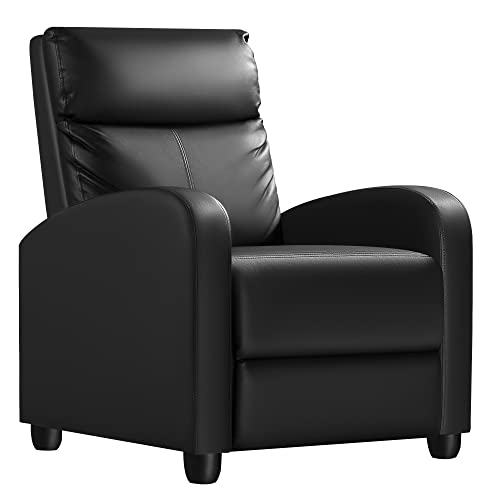
- Best recliner under $400 — best overall: Homall PU Leather Recliner Chair, Black — Check on Amazon
- Christopher Knight Home Walter Fabric Recliner, Charcoal — Check on Amazon
- CANMOV Leather Recliner Chair, Nut Brown — Check on Amazon
- Flash Furniture Allie Recliner and Ottoman, Palomino — Check on Amazon
See 2 more Amazon options
- MCombo Recliner with Ottoman 9068, Dark Brown — Check on Amazon
- CANMOV Manual Fabric Recliner, Blue Grey — Check on Amazon
Read the full guide ↓
Disclosure: As an Amazon Associate, dailyhomedecorating.com earns from qualifying purchases. Links to Amazon on this page are affiliate links; they cost you nothing extra. Listing details such as price and availability change often, so check the current Amazon listing before you buy.
Finding the best recliner under $400 is mostly an exercise in separating mechanism from marketing. Below this ceiling you will find three genuinely different machines wearing the same name: the classic lever-action recliner with a linked footrest, the push-back recliner that reclines on your body weight and needs no side handle at all, and the swivel recliner-and-ottoman set that trades a built-in footrest for a separate stool you can place exactly where your legs want it. All three can be comfortable. All three can also disappoint, and they disappoint in different ways — a lever chair that needs a foot of wall clearance nobody measured, a push-back chair whose recline is too light for a heavier sitter, an ottoman set that eats more floor than the chair it serves. This guide works through six verified recliners under $400, explains who each one actually suits, and is honest about where each one falls short.
The six picks below were chosen to cover the real ways people use a sub-$400 recliner: nightly TV seating, reading, napping, a nursery corner that later moves to the living room, and the second chair in a room that already has a sofa doing the heavy lifting. Two are traditional lever recliners in leather-look upholstery, two are fabric chairs — one push-back, one overstuffed manual — and two are swivel designs with separate ottomans. If your budget is tighter, Best Recliner Under $300 applies the same checks at the lower ceiling; if you are pairing the chair with a two-seater, Best Loveseat Under $400 covers the matching sofa side of the room.
A word about what under $400 does and does not buy, because setting this expectation now will save you a return later. At this budget you get steel reclining mechanisms, plywood or hardwood frames, high-resilience foam and upholstery that is either genuine fabric or a leather-look material — bonded leather or PU — rather than full-grain hide. You do not get power recline from a major brand, top-grain leather, or a mechanism warranted for a decade. What you do get, if you choose carefully, is a chair that reclines smoothly, supports an evening’s sitting without bottoming out, and looks intentional in the room rather than apologetic. Every pick in this guide was checked against its current Amazon listing and manufacturer information; where a detail could not be verified, it is simply not claimed.
In this guide
Quick picks: the best recliner under $400 at a glance
| Pick | Best for | Type | Upholstery |
|---|---|---|---|
| Homall PU Leather Recliner Chair, Black | Best overall value | Manual lever recliner | PU leather |
| Christopher Knight Home Walter Fabric Recliner, Charcoal | Best fabric push-back | Push-back recliner | Fabric |
| CANMOV Leather Recliner Chair, Nut Brown | Best classic look | Manual recliner | Leather-look |
| Flash Furniture Allie Recliner and Ottoman, Palomino | Best swivel set | Swivel recliner + ottoman | LeatherSoft |
| MCombo Recliner with Ottoman 9068, Dark Brown | Best with massage | Swivel recliner + ottoman | Faux leather |
| CANMOV Manual Fabric Recliner, Blue Grey | Best overstuffed fabric seat | Manual recliner | Fabric |
Short on time? The Homall is the default recommendation for most rooms: a straightforward lever recliner that does the basics properly and leaves budget headroom. The Walter is the pick if you dislike side handles and want a chair that reads as an armchair first and a recliner second. The two ottoman sets are for readers and TV watchers who like to turn toward the conversation; the two CANMOV chairs split the difference between classic styling and soft fabric comfort.
How we chose the best recliner under $400
Every chair in this guide had to pass the same verification pass. First, the product had to be a real, currently listed recliner on Amazon with a confirmed ASIN — no marketplace phantoms, no listings whose specifications contradict themselves between the title and the detail table. Second, the chair’s positioning had to sit honestly under the $400 ceiling: these are models whose established place in the Amazon market is below that line, not chairs that only dip under it for a weekend. Third, the mechanism type had to be identifiable from the listing or the manufacturer — lever, push-back or swivel base — because a buying guide that cannot tell you how the chair reclines is not much of a guide.
Beyond verification, we weighted four things. Mechanism honesty came first: a recliner is a machine you will cycle thousands of times, so a described steel mechanism and a stated weight capacity counted for more than an extra pillow. Fit came second — seat width, back height and the space the chair needs behind it when fully reclined, because the most common recliner regret is a chair that fits the room upright and hits the wall reclined. Upholstery realism came third: at this price, leather-look materials are the norm, and we say so plainly rather than letting listing language blur the difference between PU, bonded leather and the genuine article. Assembly came last but still mattered: every pick here assembles at home without specialist tools, and we note where two people make the job easier.
We also excluded entire categories on purpose. Power lift chairs from established brands sit above this ceiling once they are honestly specced, and the no-name power chairs that do appear under $400 tend to cut the mechanism and the motor warranty to get there; the one power-lift design worth knowing about is discussed in the how-to-choose section as a prose-only note so you can watch its listing yourself. Massage functions were treated as a bonus, never a reason to pick a chair — vibration in a seat cushion is a pleasant extra, not therapy, and no chair here is recommended on the strength of it.
Detailed reviews
1. Homall PU Leather Recliner Chair, Black — best overall
Who it suits. The Homall is the chair for the buyer who wants the classic recliner experience — sit down, pull the side handle, footrest up, back down — without paying for a brand name or a styling statement. It suits first recliners, media-room second chairs, and anyone furnishing a room where the sofa already carries the design and the recliner just needs to work every night. The black PU leather finish disappears into most rooms and wipes clean, which makes it a pragmatic pick for households with kids, dogs or a habit of eating in front of the TV.
What it is. This is a single-seat manual recliner with a padded seat and back, upholstered in PU leather, sold as home theater seating. The recline works the traditional way: a side handle releases the footrest, and leaning back carries the backrest down. The proportions are those of a standard club-style recliner rather than an oversized lounger, which is precisely why it fits rooms where a big rocker-recliner would crowd the rug.
Pros. The mechanism is the familiar one, and familiarity is a genuine virtue here — there is nothing to learn and nothing electronic to fail. The upholstery wipes down with a damp cloth, the padding is generous for the class, and the chair’s whole proposition is honest: it is the least complicated way to get a real reclining chair into a room at this budget. Assembly is a backrest-onto-base job rather than a flat-pack project.
Honest limitation. PU leather is a coated material, not hide, and on any chair at this level it is the wear surface that will age first — expect the finish to need gentle treatment and to show its years sooner than fabric or genuine leather would. The chair also needs proper wall clearance behind it to recline fully, like every standard lever recliner; measure before you assume.
Choose it if you want the default, no-drama recliner and your room has the clearance for it. Skip it if you need a wall-hugger for a tight wall, or if you specifically want fabric because your room runs warm. Check on Amazon — check price on Amazon, and confirm the current listing’s dimensions against your space before ordering.
2. Christopher Knight Home Walter Fabric Recliner, Charcoal — best fabric push-back
Who it suits. The Walter suits buyers who want a recliner that does not announce itself as one. Upright, it reads as a tailored fabric armchair; the recline is a push-back design, so there is no handle on the side and no footrest hardware visible. It is the pick for living rooms with a considered look, for readers, and for anyone whose partner has vetoed the traditional recliner silhouette.
What it is. A fabric-upholstered push-back recliner in charcoal from Christopher Knight Home (model 299603). You recline by shifting your weight and pushing against the backrest; the footrest rises as the back goes down, and you return upright by leaning forward. The charcoal fabric is the versatile choice in the range — it hides everyday lint and pet hair better than pale upholstery and pairs with most sofa colors.
Pros. The clean silhouette is the headline: no lever, no exposed mechanism, wooden-leg armchair proportions. Push-back recline also means the chair can sit closer to side furniture without a handle fouling a side table. Fabric breathes better than leather-look materials in warm rooms and warm climates, and it does not stick to bare legs in summer. The brand behind it is an established furniture line with a real catalog, which matters for replacement-part sanity if you ever need it.
Honest limitation. Push-back recline depends on the sitter’s weight and leg pressure to hold position, and lighter sitters sometimes find a push-back chair drifts back upright or needs a conscious push to stay reclined; it is a different feel from a locking lever mechanism, and it is not the right choice for someone who wants to set an angle and have the chair hold it mechanically. Fabric also asks more of you on spills than wipe-clean PU does.
Choose it if looks and fabric comfort lead your list. Skip it if you want a lever that locks, or you are buying for someone with limited leg strength who would struggle to push a recline open. Check on Amazon — check price on Amazon before you buy.
3. CANMOV Leather Recliner Chair, Nut Brown — best classic look
Who it suits. The CANMOV in Nut Brown is for the traditional room: the one with a leather or leather-look sofa, wood furniture and a preference for warm brown tones over black. It suits buyers who want the club-chair profile — rolled, padded arms and a substantial back — in a single manual recliner that matches furniture they already own.
What it is. A classic and traditional manual recliner chair with comfortable padded arms and back, finished in a nut brown leather-look upholstery. The recline is manual in the conventional style, and the chair’s whole design language — the color, the arm shape, the plump cushioning — aims at the established recliner look rather than a contemporary one.
Pros. Color is this chair’s real advantage: nut brown is far easier to live with than black in a warm-toned room and far more forgiving of scuffs than pale upholstery. The traditional padding profile suits long sits, and the manual mechanism keeps the chair independent of power outlets and remotes. It pairs naturally with the kind of sofa most American living rooms already have, which is not a trivial thing — a recliner that fights the sofa makes both look wrong.
Honest limitation. The traditional profile is also the bulky one: padded arms and a full back take more floor and more visual space than the push-back chairs in this guide, and the chair needs the usual rear clearance to recline. As with every leather-look chair at this budget, the upholstery is not full-grain leather and should not be bought as if it were.
Choose it if your room is traditional and brown-toned. Skip it if you are furnishing a small or modern room, where its visual weight will crowd the space — the later picks serve you better. Check on Amazon — check price on Amazon, and check the reclined depth in the listing against your wall distance.
4. Flash Furniture Allie Recliner and Ottoman, Palomino — best swivel set
Who it suits. The Allie set suits the reader and the conversationalist. A swivel recliner with a separate ottoman works differently from a linked-footrest chair: you turn toward the window, the TV or the person talking, and the ottoman goes exactly where your legs are rather than where a mechanism puts it. It suits living rooms, dens and bedroom corners, and it is a kind choice for anyone who fidgets, shifts and re-settles often.
What it is. A LeatherSoft-upholstered recliner with a matching ottoman, on a swiveling mahogany wood base (model BT-7821-PALIMINO-GG), in a pale palomino finish. LeatherSoft is Flash Furniture’s leather-and-polyurethane upholstery blend, made for a soft hand feel with easier care than hide. The recline adjusts through the chair’s multi-position design, and the ottoman is a separate piece you can also use as a footstool for the sofa or a spare seat for a small guest.
Pros. The swivel base is the functional win: 360-degree turning makes a single chair serve a whole room layout, and the separate ottoman doubles as occasional furniture. The pale upholstery and wood base give it a lighter, more designed look than the big manual recliners, and Flash Furniture is a long-established commercial-and-home furniture maker, so the model has a track record rather than a season.
Honest limitation. Two pieces take more floor than one: budget space for the ottoman in front of the chair, or the set will feel scattered. The light palomino color is also the least forgiving finish in this guide for dye transfer from dark jeans and for pet claws; if your household is hard on pale upholstery, choose a darker pick and use the swivel idea elsewhere.
Choose it if you read, talk and turn in your chair. Skip it if floor space is tight or pale upholstery worries you. Check on Amazon — check price on Amazon and confirm the current color options on the listing.
5. MCombo Recliner with Ottoman 9068, Dark Brown — best with massage
Who it suits. The MCombo 9068 suits the buyer who wants the swivel-and-ottoman format plus a little extra: built-in vibration massage and a removable lumbar pillow. It is a good fit for an after-work unwinding chair in a living room or bedroom, and its maker explicitly designs this series for smaller rooms as well as standard ones.
What it is. A faux-leather swivel recliner with a matching ottoman on a wood base (model 6151-9068), in dark brown. The chair swivels a full 360 degrees, reclines to about 140 degrees, carries a stated weight capacity of 330 pounds, and adds vibration massage points in the back and seat with a handheld remote. The lumbar pillow removes if you prefer a flatter back.
Pros. It is the most feature-complete chair in this guide: swivel, ottoman, lumbar pillow, side storage thinking and vibration massage in one set, with a capacity figure that is stated plainly by the manufacturer. The dark brown faux leather is a practical color, and the ottoman format keeps the chair’s own footprint modest because the footrest is a separate, movable piece.
Honest limitation. Set expectations about the massage correctly: it is vibration, not kneading or shiatsu, and it is a pleasant extra rather than a therapeutic device. The recline tops out around 140 degrees, which is a lounge angle, not a flat nap; committed nappers should look at the full-recline manual chairs instead. The electronics also mean a power cord and a remote to keep track of — a small thing, but real.
Choose it if you want swivel plus vibration in one purchase. Skip it if you want a deep, near-flat recline for sleeping. Check on Amazon — check price on Amazon before ordering.
6. CANMOV Manual Fabric Recliner, Blue Grey — best overstuffed fabric seat
Who it suits. This CANMOV suits the comfort-first buyer: the person who sits in a chair in the store and judges it in the first five seconds by how the cushion takes their weight. The overstuffed profile and soft fabric make it the nap-and-movie chair of this group, and the blue-grey color is a calm middle tone that works with grey sofas, navy accents and wood floors alike.
What it is. A manual recliner in soft fabric with overstuffed cushioning and what the maker describes as a heavy-duty, safety-focused reclining mechanism. Where its Nut Brown sibling goes traditional in leather-look, this one goes soft in fabric: deeper padding, a more relaxed silhouette, and upholstery that stays comfortable against skin in any season.
Pros. Cushioning is the point and it delivers the plush sit that firmer tailored chairs do not. Fabric avoids the cold-in-winter, sticky-in-summer behavior of leather-look surfaces, and the blue-grey tone hides everyday wear gracefully. The manual mechanism keeps operation simple and outlet-free.
Honest limitation. Overstuffed chairs sit soft and sit you lower, and getting up out of a deep, soft seat is genuinely harder for anyone with knee or hip trouble — if this chair is for an older parent, the firmer picks or a lift chair are kinder choices. Fabric also needs a spill plan; it is the least wipe-clean surface in the guide alongside the Walter.
Choose it if plush comfort is the whole point. Skip it if the sitter needs firm support or easy rising. Check on Amazon — check price on Amazon, and review the seat height in the listing if rising easily matters.
Comparison table
| Chair | Recline style | Swivel | Footrest | Best room |
|---|---|---|---|---|
| Homall PU Leather, Black | Lever manual | No | Built-in | Media room, family room |
| Christopher Knight Home Walter | Push-back | No | Built-in | Styled living room |
| CANMOV Leather, Nut Brown | Manual | No | Built-in | Traditional living room |
| Flash Furniture Allie + Ottoman | Multi-position | Yes | Separate ottoman | Reading corner, den |
| MCombo 9068 + Ottoman | Adjustable to ~140° | Yes | Separate ottoman | Bedroom, compact living room |
| CANMOV Fabric, Blue Grey | Manual | No | Built-in | Movie room, lounge corner |
Read the table by mechanism first and upholstery second. Mechanism decides how the chair behaves every day — whether it needs wall clearance, whether it turns, whether the footrest is attached. Upholstery decides how it ages and how it feels in August. Most returns happen when buyers choose on upholstery and discover the mechanism does not fit the room; choose in the other order and the chair tends to stay.
How to choose a recliner under $400
Start with the wall behind the chair. A standard lever recliner needs roughly a foot or more of clearance behind it to reach full recline; a push-back chair needs less hardware room but still travels backward as it opens; a swivel-and-ottoman set needs its space in front instead of behind. Measure the reclined depth on the listing — not the upright depth — and compare it with the actual distance from your wall to where the chair’s back will be. This single measurement prevents the most common recliner mistake there is. If the chair must live flat against a wall, look specifically for wall-hugger designs whose mechanism slides forward as it reclines, and accept a smaller choice pool.
Match the mechanism to the sitter. Lever recliners hold their angle mechanically and suit people who want to set a position and keep it. Push-back chairs suit lighter, able sitters who like a clean look. Rocker and glider bases suit households with babies and anyone who finds gentle motion relaxing. Swivel bases suit social rooms. And if the chair is for someone who struggles to stand, be honest that no manual chair in this guide solves that problem: a power lift chair does, and the one design we would watch in this class — Best Choice Products’ PU leather power lift recliner with massage, heat, USB charging and cup holders — moves around this budget’s ceiling depending on the listing, so treat it as a prose-only pointer: check its current Amazon listing yourself, confirm it is genuinely under your ceiling on the day you buy, and weigh its motor warranty carefully, because a lift chair is a mobility aid as much as a chair.
Check the seat, not the chair. Overall width impresses in photos; seat width is what you live in. A seat that is too narrow pinches hips and elbows; a seat that is too wide leaves shorter sitters without arm support and lets the cushion feel like a bench. Seat height matters just as much: feet should rest flat with knees near a right angle when upright. Tall sitters should check back height so the headrest meets the head, not the shoulders, at full recline.
Be realistic about upholstery. Under $400, leather-look means PU or bonded material on every chair in this guide and nearly every chair on the market. That is not a scandal — modern PU is comfortable, consistent and easy to clean — but it wears differently from hide, and it hates harsh solvents and direct heat. Fabric breathes and ages gracefully but absorbs spills. Choose for your household’s actual life: pets with claws argue for tightly woven fabric; toddlers with juice argue for wipe-clean PU; a quiet reading chair can wear either.
Plan the delivery and the doorway. Recliners arrive in boxes that are wide, heavy and awkward. Check the box dimensions on the listing, measure your doorways and any tight hallway turn, and confirm whether the back detaches — on most chairs in this guide it does, which turns an impossible doorway into a non-issue. If you are furnishing around the chair as well, Best Coffee Table Under $400 and Best Accent Chair Under $400 cover the pieces that most often share the rug with a recliner.
Common mistakes when buying a recliner under $400
Measuring the room upright. The chair that fits beautifully in the store photo needs its reclined depth in your room. Always compare the listing’s fully reclined dimension against your wall distance, and remember a coffee table in front reduces usable recline just as a wall behind does.
Believing the word “leather” without reading further. At this price the honest terms are PU leather, faux leather, bonded leather and LeatherSoft — all leather-look materials with different feels and lifespans. None is full-grain hide, and a listing that implies otherwise is telling you something about the seller. Buy the material for what it is and it will not disappoint you.
Buying massage as the main feature. Vibration massage in a sub-$400 chair is a gentle buzz through the cushioning. It is pleasant. It is not a treatment, it will not fix a back, and it should never outrank mechanism quality, fit and upholstery in your decision. Choose the chair first; let massage be the tiebreaker.
Ignoring the sitter’s exit. Deep, soft, low chairs are wonderful to fall into and genuinely difficult to leave for older or less mobile sitters. If the chair is a gift for a parent, sit in a similar chair yourself and stand up without using your arms; if that is hard for you, it is harder for them, and a firmer or lift design is the respectful choice.
Forgetting the floor. Rocker and swivel bases concentrate weight and motion; on hardwood, use a rug or pads beneath the base to protect the finish, and on thick carpet, confirm the base still swivels or rocks freely. A rug that suits the chair also anchors the seating group visually — Best Armchair Under $400 is worth a look if the room needs a non-reclining companion chair to balance the layout.
What living with each mechanism is actually like
Specifications tell you how a recliner opens; they do not tell you how it feels at 9 p.m. on the two hundredth evening. The lever recliner — the Homall and the two CANMOV chairs here — has a rhythm regular sitters come to love: handle, feet up, lean, settle. The mechanism is linked, so the footrest and back move in a choreographed order, and the chair holds whatever angle the linkage reaches. The trade-off is choreography you cannot change: the footrest comes up before the back goes far down, which suits TV watching perfectly and suits upright reading with raised legs less well. Lever chairs also telegraph their age honestly — a mechanism that starts to feel loose or a handle that needs a firmer pull is telling you about wear in a language you can act on.
The push-back chair — the Walter — lives differently. There is no event, no handle, no click; you simply lean and the chair follows, which makes it the quietest and most furniture-like of the three types, and the one guests can use without instructions. The compromise is control. The angle is a negotiation between your weight, your legs and the chair’s resistance, and it can shift when you reach for a drink or a dog climbs up. People who sit still and read for hours often adore push-backs; people who wriggle usually end up preferring a mechanism that locks. Neither is wrong — they are different relationships with a chair, and choosing the right one is most of what this purchase is.
The swivel-and-ottoman format — the Allie and the MCombo — is the social mechanism. The chair becomes a place you orient, not just a place you sit: toward the fire, away from the glare, into the conversation, out of the draft. The ottoman decouples your legs from the recline angle entirely, so you can sit upright with your feet properly up, a posture linked-footrest chairs genuinely cannot offer. The costs are floor space and a certain visual lightness — an ottoman set never has the planted, substantial presence of a big manual recliner, and in a formal room that can read as casual. In a family room, a den or a bedroom, casual is usually the point.
One more lived detail cuts across all three types: the first week lies. New foam is firm, new mechanisms are stiff, and new upholstery has a smell that fades. Judge a recliner at week three, not day one — cushions settle to their real softness, mechanisms free up, and the chair you actually bought reveals itself. This is also why keeping the box and packaging for the first few weeks is practical rather than paranoid: if the chair’s settled character is wrong for your body, you want the return to be easy while the listing’s return window is open.
Care and lifespan at this budget
A sub-$400 recliner that is cared for like a serious piece of furniture will outlast one that is treated as disposable, and the care is not complicated. Vacuum fabric upholstery weekly with an upholstery tool so grit does not work into the weave; wipe PU and leather-look surfaces with a damp cloth and nothing stronger than a mild soap solution, because solvents and alcohol-based cleaners are what crack coated finishes. Keep every recliner out of direct, all-day sun if you can — ultraviolet light fades fabric and dries coated upholstery — and keep it a sensible distance from radiators and heating vents for the same reason.
Mechanism care is mostly listening. A new squeak usually means a fastener has worked a quarter-turn loose; the assembly hardware points in the manual are the places to check first, with the chair unplugged if it has any powered feature and nobody sitting in it. Operate the recline smoothly rather than dropping your weight into it, and teach children the one rule that saves mechanisms: the footrest is not a seat, a step or a diving board, and standing on it bends linkages that no adjustment will straighten. Finally, rotate your sitting spot if the chair is one of two — cushions compress where they are used, and even use is the cheapest way to keep a seat feeling even across its life.
What the money buys: construction at this budget, honestly
It helps to know where the $400 goes, because the allocation explains both the strengths and the ceiling of every chair in this guide. The largest share buys the mechanism and frame — the steel linkage or push-back hardware and the plywood or hardwood structure that carries your weight through thousands of recline cycles. This is the part you cannot see in photographs, and it is why two chairs that look identical can age completely differently: the honest makers in this guide spend here first. When you compare listings, a stated weight capacity and a described steel mechanism are worth more than a third decorative pillow, every time.
The second share buys cushioning. At this budget that means high-resilience foam, sometimes with pocket springs in the seat, shaped and upholstered to a price. Foam quality announces itself slowly: good foam in this class feels supportive in month one and much the same in year three, while cheap foam feels wonderful in week one and sits like a hammock by the second winter. You cannot test this from a listing, which is why this guide favors established models with a track record over new listings with spectacular photography — time is the only foam reviewer that never lies.
The third share buys the surface. Fabric chairs spend it on weave and colorfastness; leather-look chairs spend it on the coating — its thickness, its grain embossing, its resistance to cracking. None of the surfaces at this level is precious, and that is quietly liberating: these are chairs to be used daily, by real households, without ceremony. The final share buys logistics — the box, the shipping, the fact that a chair this size reaches your door at all — and it is larger than most buyers guess, which is why the honest sub-$400 recliner is a minor engineering achievement rather than a compromise to apologize for.
Knowing the allocation also tells you what a higher budget would actually change, so you can decide whether to care. More money buys genuine leather over coated surfaces, power mechanisms with battery backup, denser foam over more of the chair, and mechanisms warranted for longer terms. It does not buy a different category of comfort for ordinary evening sitting — the six chairs here already deliver that. Spend more when you want the materials and the motor; spend here when you want the sit. That is the whole economics of the under-$400 recliner, and it is why this price band is the most popular one on the market.
A note on testing a recliner you cannot sit in first
Most recliners under $400 are bought from a listing, not a showroom floor, and the skill of the purchase is translating numbers into a body. Start with your own reference chair — the seat you already like at home — and measure its seat height, seat width and the distance from the seat to where your head rests. Then read every listing against those three numbers rather than against the chair’s overall dimensions, which mostly describe the box the chair makes in the room, not the space it makes for you. A new recliner within an inch of your reference chair on all three will feel familiar on the first evening; one that departs by two inches on any of them is a gamble you should take knowingly, for a reason — a deeper lounge, a higher back — rather than by accident.
Read the listing’s language with the same care. “Oversized” in a title and standard dimensions in the table means the table is right. A recline range quoted in degrees tells you the lounge angle honestly; a chair described only as “fully reclining” is telling you less, and the fuller-recline chairs in this guide were favored partly because their makers describe positions plainly. Finally, use the return window as the test period it is: sit in the chair daily for the first two weeks, operate the mechanism through its full travel, and judge it at the end of that fortnight rather than the end of the first evening. New foam and new linkages both loosen into their real character, and the chair you keep should be the one that character belongs to.
Recliners and bodies: a brief fit clinic
Two sitters can disagree completely about the same chair because fit is geometry, not taste. The three fits that decide satisfaction are these. First, the upright fit: feet flat, knees near ninety degrees, lower back touching the backrest without a cushion stuffed behind it — if your feet dangle, the seat is too high or too deep for you, and no recline angle will fully forgive it. Second, the reclined fit: at full recline your head should meet the backrest’s top section rather than sliding past it, and your heels should rest on the footrest rather than hanging off its end — tall sitters should read back height and footrest length on the listing as their two governing numbers. Third, the exit fit: from the upright position, you should be able to stand using the armrests lightly, without hauling — the test that matters most for older sitters and the one most often skipped in a showroom’s excitement. Run all three fits mentally against the listing’s dimensions before ordering, and physically in the first week after the chair arrives, and you will have applied more ergonomic rigor than most furniture purchases ever receive.
Final recommendation
For most people, the answer is the Homall: a proper lever recliner that does the essential job well and leaves money in the budget for the rest of the room — Check on Amazon. If your room has a look to protect, the Christopher Knight Home Walter gives you a recliner disguised as a tailored armchair. Traditional rooms should take the CANMOV in Nut Brown; readers and turners should take one of the swivel sets — the Flash Furniture Allie for a lighter, designed feel, the MCombo 9068 for features and capacity. And if the chair is really a napping station, the overstuffed CANMOV fabric recliner is the one your body will vote for. None of these chairs pretends to be a thousand-dollar lounger; each is an honest machine for its price, matched to a real way of sitting.
Frequently asked questions
How much wall clearance does a recliner under $400 need? A standard manual recliner typically needs around a foot or more behind it to reach full recline, while push-back models vary by design. The only reliable number is the fully reclined depth on the specific listing — measure your space, compare that figure, and leave a small margin for the back cushion’s travel.
Is a push-back recliner as comfortable as a lever recliner? It can be, and many people prefer the clean look, but the feel differs: a lever chair locks its angle mechanically, while a push-back chair is held by your weight and leg pressure. Lighter sitters and anyone with limited leg strength usually do better with a lever or handle design.
What upholstery lasts longest at this price? Tightly woven fabric and quality PU both serve well; fabric ages more gracefully and breathes better, while PU wipes clean and shrugs off spills. What shortens any of their lives fastest is harsh cleaning chemicals, direct heat sources and pet claws — not the material choice itself.
Can you sleep in a recliner every night? A recliner is designed for sitting and lounging, and even a deep-recline model is not a bed substitute for nightly sleep — the sleeping surface is segmented and the angle is not flat. For occasional naps the fuller-recline manual chairs in this guide are the best of the group; for every-night sleeping, buy a bed solution instead.
Are recliners under $400 hard to assemble? Most assemble in well under an hour: the back slides onto the base, arms or a base attach with a handful of fasteners, and no specialist tools are needed. Ottoman sets have a second small piece to build. Two people make the lifting and aligning easier, and keeping the packaging until you are sure the chair fits your space makes any return far simpler.
What is the difference between a recliner and a lift chair? A recliner leans you back; a lift chair also tilts the whole seat forward and up to help you stand. Lift chairs add a motor, a remote and a mobility function, which is why honestly built examples usually sit at or above this guide’s ceiling — if standing assistance is the need, budget for the lift function specifically rather than hoping a soft recliner will do.