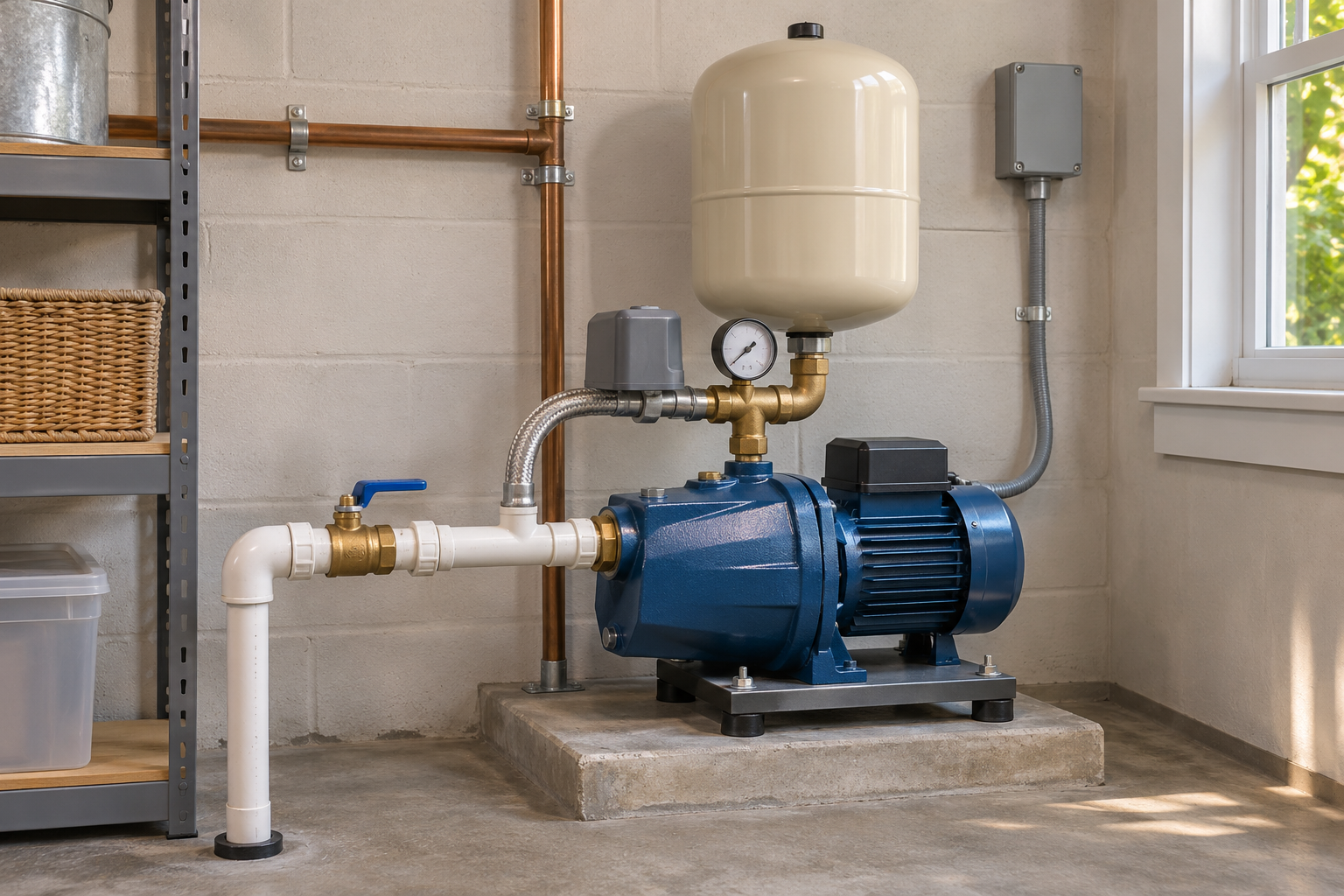
Amazon product examples to compare
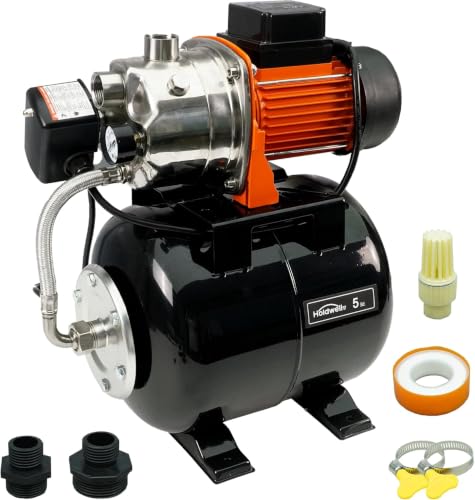
ASIN: B0HKWB1822View on Amazon
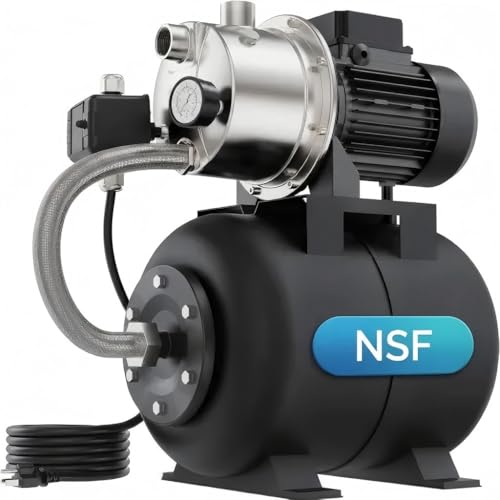
ASIN: B0CBPZWL7MView on Amazon
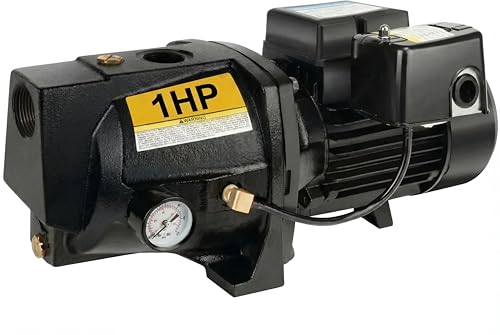
ASIN: B0D4YYGL85View on Amazon
Certain content that appears on this site comes from Amazon. This content is provided “as is” and is subject to change or removal at any time. Product examples and images are supplied through Amazon Creators API; check the current listing for specifications and availability.
As an Amazon Associate, DailyHomeDecorating.com earns from qualifying purchases.
A shallow well pump lifts water from a well, driven point, spring box, or shallow cistern and delivers it under pressure to a house, cottage, barn, or irrigation line. When the pump is matched well to the source, you hardly think about it: the pressure tank fills, the pump rests, a tap opens, and water arrives at steady pressure. When the match is poor, the symptoms are frustrating and familiar — a pump that loses prime, cycles on and off every few seconds, delivers a surge followed by a weak trickle, or runs a long time without building pressure.
Shopping for the best shallow well pumps is therefore less about the largest number on a box and more about suction. A shallow system lives or dies on airtight suction piping, correct priming, and a pressure tank charged to work with the pump. This guide explains those decisions in plain terms, without rankings or invented test results, so you can build a short list that fits your water source.
What to Look for First
Start by measuring your well and describing your demand honestly. Two homes drawing from wells of the same depth can need very different pumps because one feeds a seasonal cottage and the other a full-time household with laundry, showers, and outdoor watering.
Flow Rate: Gallons per Minute for Real Demand
Flow rate, usually stated in gallons per minute, describes how much water a pump can deliver while also building pressure. Do not read it as a promise at every depth. A pump that moves a generous volume at low lift may move far less when pulling from near its suction limit against a higher pressure setting.
Think in terms of simultaneous use. A single tap needs modest flow; a shower, washing machine, and kitchen tap together need considerably more, and a sprinkler can dominate the budget on its own. List the uses realistically likely to run together on your busiest day and size for that, not for every fixture in the building. Oversizing has a cost, too: a pump too large for a small tank short-cycles, starting and stopping so often that motor and switch wear early.
Also respect the well itself. A driven point in fine sand may yield water only at a limited rate. Pulling harder draws the level down, introduces air and sand, and can cause loss of prime.
Head, Suction Lift, and Pressure
The most important limit is suction lift: the vertical distance from the surface of the water in the well up to the pump. As a general principle, a surface-mounted jet pump can lift water about 25 feet in practice, even though the theoretical limit under perfect conditions is higher. Friction, altitude, tiny air leaks, and a worn ejector all reduce what is achievable, so a pump working close to 25 feet of lift will deliver less flow and pressure than its headline figures suggest.
Measure to the water level while pumping, not just to the bottom of the well or the standing level on a calm day. If the pumping level regularly approaches or passes that practical limit, a shallow well pump is the wrong tool, and a deep-well or submersible arrangement should be discussed with a professional.
On the delivery side, head also includes the pressure you ask the system to maintain. Pressure switches are described by a cut-in and cut-out range — the pressures at which the pump starts and stops. Higher settings feel stronger at the shower but ask more of the pump and reduce delivered flow. Choose a pump whose comfortable range covers your lift plus your chosen pressure, with room to spare.
Power and Motor Considerations
Horsepower is a useful shorthand, but two pumps with the same motor rating can deliver different flows at the same lift because their jet, nozzle, and impeller designs differ. Use power as a secondary check after flow at your lift and pressure, not as the primary ranking.
Pay closer attention to electrical requirements: the voltage the motor is wired for, whether it can be configured for another voltage, and the circuit protection the manual requires. Also remember that no pump delivers water during a power outage; storage in the pressure tank is only a short buffer, not a supply.
Materials and Build Quality
A shallow well pump sits in a damp pump house or basement and handles raw water that may carry sand or iron. Corrosion-resistant housings and components suited to potable water tend to hold up better in humid locations, while poor castings can corrode or seize at threaded joints. Check practical details: is the switch protected from drips, are priming plugs easy to reach, and can the ejector be reached for cleaning? A blocked jet is a common cause of weak pressure.
Types of Shallow Well Pumps Explained
Most shallow well systems use a jet pump, but how the jet is arranged — and whether the pump can convert for deeper use — changes how it should be bought and installed.
Shallow-Well Jet Pumps
A dedicated shallow-well jet pump has its ejector mounted at the pump, above ground. Part of the water it moves is recirculated through a nozzle and venturi, creating suction that lifts more water through a single suction pipe. The design is compact, relatively simple to install, and easy to prime and service because everything important is above ground. It is the standard choice where the pumping water level stays comfortably within the practical suction limit. Performance falls as lift increases, so judge the pump by the worst seasonal water level, not the best.
Convertible Jet Pumps
A convertible jet pump can be set up with the ejector at the pump for shallow use or down in the well for deeper use, with two pipes in the deep configuration. That flexibility can help if your well sits near the boundary or may change later. The compromise is complexity: the correct ejector package for your lift and desired flow must be fitted, because the wrong nozzle and venturi combination wastes power and disappoints in either mode. Confirm exactly which ejector components are included before comparing prices.
Other Surface Options and Their Limits
General centrifugal pumps without a jet can move water well once water is already at the pump, but they are poor at lifting from a well and holding prime. They are sometimes used for irrigation from a tank or pond where the inlet is flooded. That is a different job. Do not assume a transfer or booster pump will behave like a jet pump in a well simply because its flow number looks similar.
Key Features That Actually Matter
Priming Access and Airtight Design
A jet pump does not pump air well. It must be filled with water — primed — and the suction line must be full and airtight before it can lift. A clearly placed priming plug, a housing that fills without trapping large air pockets, and fittings that seal reliably make the first start, and any restart after service or winterizing, far less frustrating. Ask how the pump is drained and reprimed, because you will do both.
Pressure Switch and Tank Compatibility
The pressure switch tells the pump when to start and stop, and it must be matched to the tank. More important than any single feature is agreement among three things: the switch settings, the tank pre-charge, and the pump’s ability to reach cut-out pressure at your lift. A pump that can barely reach cut-out will run on and on, heating up and wasting electricity without ever satisfying the switch.
Foot Valve and Check Valve Function
At the bottom of the suction pipe, a foot valve holds water in the line when the pump stops, protecting prime, and its strainer keeps larger debris out of the ejector. A sticky, leaking, or undersized foot valve can mimic a failed pump. In shallow well work, inexpensive hardware at the bottom of the well often decides the reliability of the expensive machine at the top.
Thermal Protection and Dry-Run Vulnerability
A jet pump that loses prime and runs dry can overheat and damage seals. Built-in thermal overload protection is a useful safety net, but it is not a license to ignore a pump that runs without building pressure. If your well yield is limited, discuss low-water or run-time protection with your installer as part of the system design.
How to Choose by Use Case
Full-Time Household Supply
Prioritize dependable flow at your measured lift, a tank large enough to prevent short cycling, and serviceable components. Choose a line with readily available switches, seals, and ejector parts, because a home without water cannot wait a week for an obscure component. Plan the layout so the pump can be isolated, drained, and removed without cutting pipe.
Cottages and Seasonal Use
Seasonal properties forgive lower flow but punish hard winterizing. Favor a pump that drains completely and easily, with plugs you can reach in a cold pump house and no trapped water left in the housing or suction line. Ease of repriming in spring matters almost as much as output, and freeze protection matters even in shoulder season: one hard frost can crack a housing and end a sound pump.
Lawn, Garden, and Small Irrigation
Irrigation demand is sustained rather than brief, so judge the pump by the flow it delivers at the pressure your sprinklers or drip system need, over a long run. Check that the well can sustain that draw without pulling down or taking in sand, and consider watering in zones rather than asking one pump and one shallow well to supply every outlet at once.
Backup and Low-Yield Wells
If yield is modest, restraint is the smartest choice: a pump that does not outdraw the source, a larger tank that stores water between cycles, and household habits that spread demand. Here a bigger pump is actively worse, because it empties the available water faster and draws air sooner.
Safety: Electricity, Pressure, and Drinking Water
Electrical Safety Around Water
Always shut off power at the breaker before installing, servicing, or opening the pump, and confirm the circuit is off. Wiring should follow the manual and local code, with the pump grounded and connections in a dry, approved enclosure above splash level. Where code requires ground-fault circuit interrupter (GFCI) protection, use it, and never bypass a device that trips — a trip signals moisture, a failing motor, or damaged insulation. If you are not qualified for electrical work, hire a licensed electrician.
Pressure and Mechanical Safety
A pump and pressure tank hold stored pressure even when the pump is off. Before opening any fitting, switch off power, drain pressure to zero through a tap, and verify with a gauge. Never exceed the manufacturer’s stated limits for switch or tank settings, and replace a tank showing deep rust, bulging, or a failed bladder rather than asking it to keep holding pressure it can no longer handle safely.
Protecting Water Quality
Keep the wellhead sealed and graded so surface water cannot run into the well, keep chemicals and fuel away from the pump area, and sanitize the system after opening the well or suction line, following local health guidance. Arrange testing through a qualified laboratory if the water will be drunk, and treat any change in taste, odor, color, or sand as a reason to inspect the system rather than simply fitting a stronger pump.
Installation Tips That Prevent Problems
Good installations are mostly about the suction side. Keep the suction pipe as short, straight, and airtight as practical, use the pipe size the manufacturer specifies, and seal every joint carefully. A pipe that is too small adds friction and steals lift; a joint that leaks slightly can let air in without ever dripping water outward, making it one of the hardest faults to find. Support piping so its weight does not strain the pump housing, and place the pump on a solid, level base in a dry, ventilated, freeze-protected space as close to the well as practical.
Pair the pressure tank deliberately. Size it so the pump runs for a reasonable stretch each cycle instead of starting for every small draw, and set its air pre-charge per the manual, measured while the system is drained of water pressure. Fit an accessible pressure gauge. Prime fully before the first start, open a tap to let air escape, and never let the pump run dry while waiting for it to catch. If it does not build pressure promptly, stop, recheck for air leaks, confirm the foot valve is holding, and reprime.
Care and Maintenance
Shallow well pumps reward a light, regular routine. Learn the system’s normal cycle length and sound; a change in either is often the first warning of trouble. Periodically check the tank pre-charge with power off and water pressure drained, because a tank that has lost its charge causes short cycling that looks like a pump fault. Inspect visible piping for leaks, corrosion, and vibration, and keep the pump area dry so small drips are noticed early.
On the well side, remember the foot valve, intake screen, and ejector whenever flow fades gradually: mineral scale, iron, sand, and debris can narrow the nozzle and passages over time, and cleaning the ejector following the manual restores many apparently tired pumps. Keep a short written log of switch settings, tank charge, service dates, and any changes in water level or quality. That log turns a future repair from an investigation into a targeted fix.
Common Mistakes to Avoid
The most common mistake is buying by horsepower or maximum flow alone and ignoring suction lift. A pump asked to lift near or beyond its practical limit will disappoint no matter how impressive its box figures look. The second mistake is tolerating a tiny suction air leak: because it lets air in rather than water out, owners chase switches, tanks, and motors while the real fault is a single poor joint.
Other frequent errors include fitting a tank that is far too small, setting the tank charge while the system is still pressurized so the reading is meaningless, raising switch settings beyond what the pump can reach at your lift, and leaving a pump to run dry while troubleshooting. Owners also neglect freeze protection in seasonal buildings, skip water testing after opening the system, and replace a pump when the real problem was a clogged ejector or a failed foot valve. Diagnose the system before spending on its largest component.
Frequently Asked Questions
How deep can a shallow well pump really lift water?
In practice, about 25 feet of vertical suction lift from the pumping water level to the pump is the working limit, and performance is already reduced as you approach it. Altitude, friction, and wear reduce it further. If your pumping level is deeper, discuss a deep-well or submersible solution instead.
Why does my shallow well pump keep losing prime?
Lost prime almost always means air is entering or water is draining back. Common causes are a leaking foot valve, a suction joint that admits air, a low well level, or a cracked suction pipe. Check the foot valve and every suction joint before replacing the pump itself.
How big should my pressure tank be?
Big enough that the pump runs for a sustained period each cycle rather than starting for every small draw. The right size depends on the pump’s flow and your switch settings. A larger, correctly charged tank usually reduces wear and steadies pressure, within the space and budget you have.
Do I need to prime a shallow well pump after every power outage?
Not usually. A healthy system with a holding foot valve stays primed through an outage. If yours needs repriming after outages, water is draining back through a faulty valve or suction leak, which should be found and fixed.
Can one shallow well pump run irrigation and a house together?
It can, if well yield and pump flow at pressure support both, but simultaneous irrigation often starves household pressure. Zoning irrigation and scheduling watering away from peak household use usually work better than simply fitting a larger pump.
When should I call a well professional instead of replacing the pump myself?
Call a professional when the pumping level is near the suction limit, yield or water quality has changed, electrical work is beyond your qualifications, or priming and pressure problems survive basic checks. A misdiagnosis can cost more than a visit.
Shallow-Well Pump Models to Compare
- Red Lion RJS-100-PREM (item 602208): A 1 HP shallow-well jet pump; the manufacturer specifies use where vertical suction lift does not exceed 25 feet, including drawdown. Search Amazon by exact model · Manufacturer specifications.
- Red Lion RJS-75-PREM (item 602207): A 3/4 HP model in the same series for a lower-demand system, subject to the well’s actual lift and pressure requirements. Search Amazon by exact model · Manufacturer specifications.
Conclusion
The best shallow well pumps are matched to a measured well and a realistic household: enough flow at your actual lift and pressure, an ejector suited to that lift, and a tank and switch set up as a team. Measure the pumping level first, keep the suction side short and airtight, and plan for priming, draining, and freeze protection. Shortlist a few pumps that meet those criteria and compare their manuals and service parts. A pump chosen that way will hold prime and deliver steadier pressure far longer than one bought on a headline number.